Footwear Mistakes That Can Worsen Diabetic Foot Problems
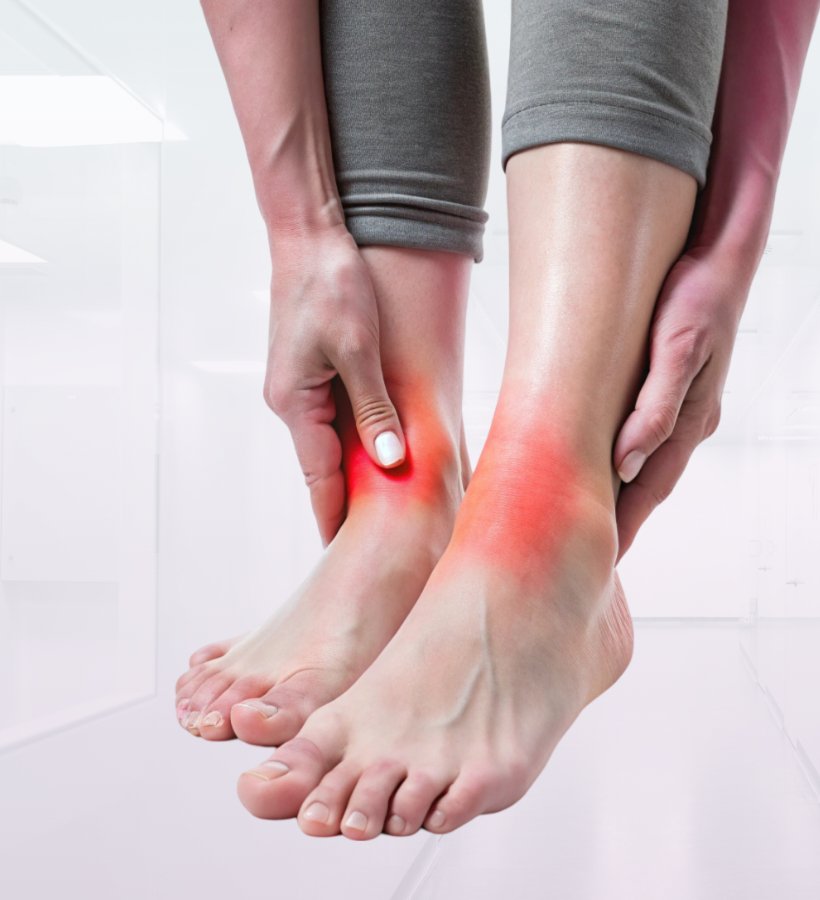
For diabetic patients, foot health isn’t just a matter of comfort but also safety. Wearing the wrong shoes can increase the risk of diabetic ulcers, nerve damage, and long-term foot complications. Choosing the right footwear for diabetic patients is crucial to prevent injury, improve mobility, and maintain a better quality of life.
In this blog, we’ll explore the common diabetic footwear mistakes and how to choose the best shoes for diabetic foot problems.
1. Wearing Non-Specialized Shoes
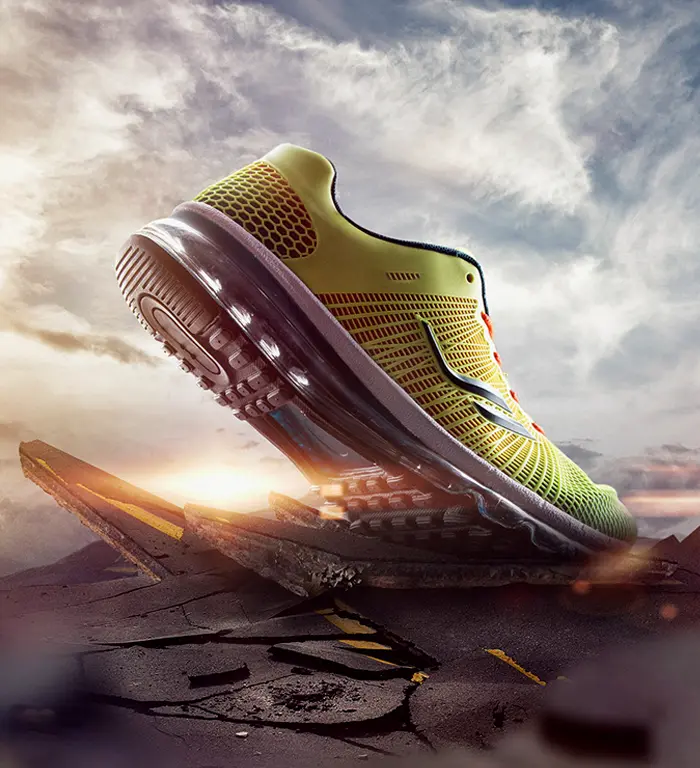
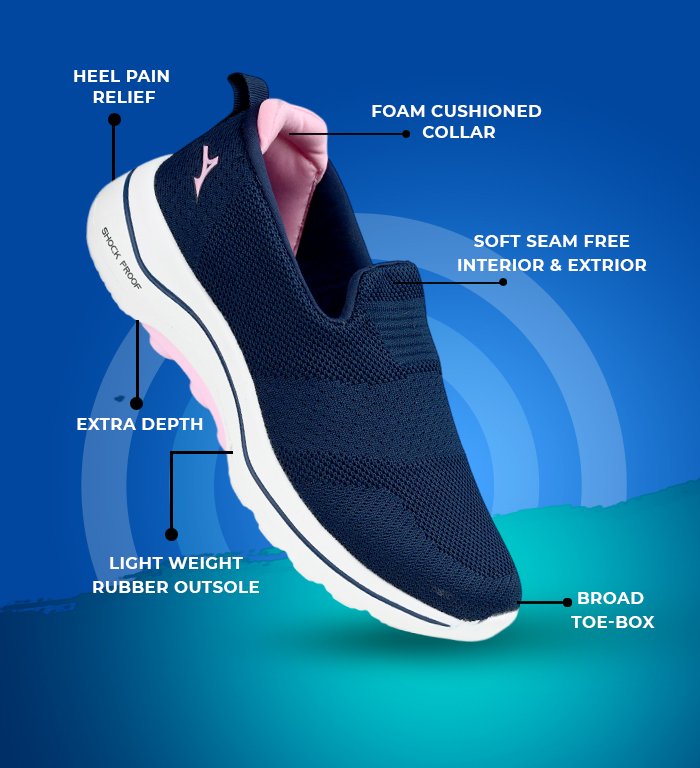
One of the common mistakes in diabetic footwear is using regular shoes instead of orthopedic shoes for diabetic patients. Standard footwear often lacks the depth, cushioning, and protective features needed for sensitive feet, especially in those with diabetic neuropathy.
Solution: Choose custom diabetic shoes or extra-depth shoes for diabetics to avoid pressure points and blisters.
2. Choosing Shoes That Are Too Tight or Loose
Improper fit is a leading cause of blisters, calluses, and ulcers in diabetic feet. Tight shoes restrict circulation, while loose shoes cause friction.
Solution: Use a diabetic shoe fitting guide to find the perfect size. Always ensure there’s enough toe room and soft padding inside.
3. Ignoring Breathability
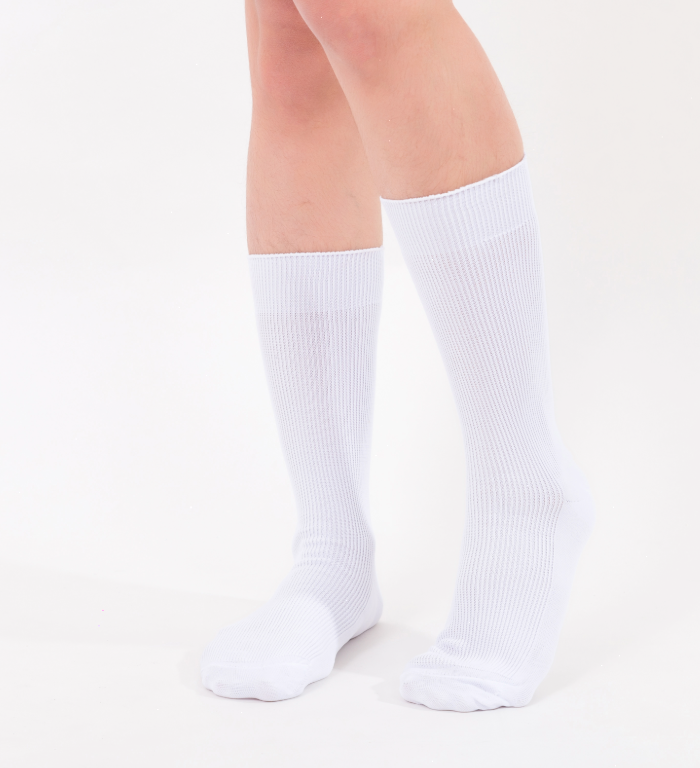
Non-breathable materials trap sweat and heat, creating a perfect environment for infections. For people with diabetic foot problems, moisture can slow wound healing.
Solution: Pick breathable diabetic shoes made of mesh or soft leather to allow airflow and reduce moisture buildup.
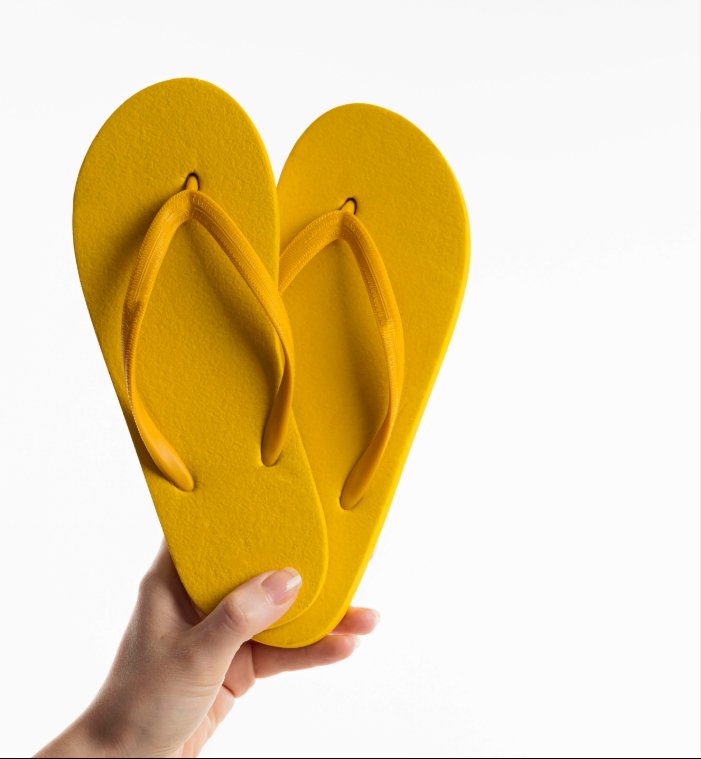
4. Wearing High Heels or Hard Soles
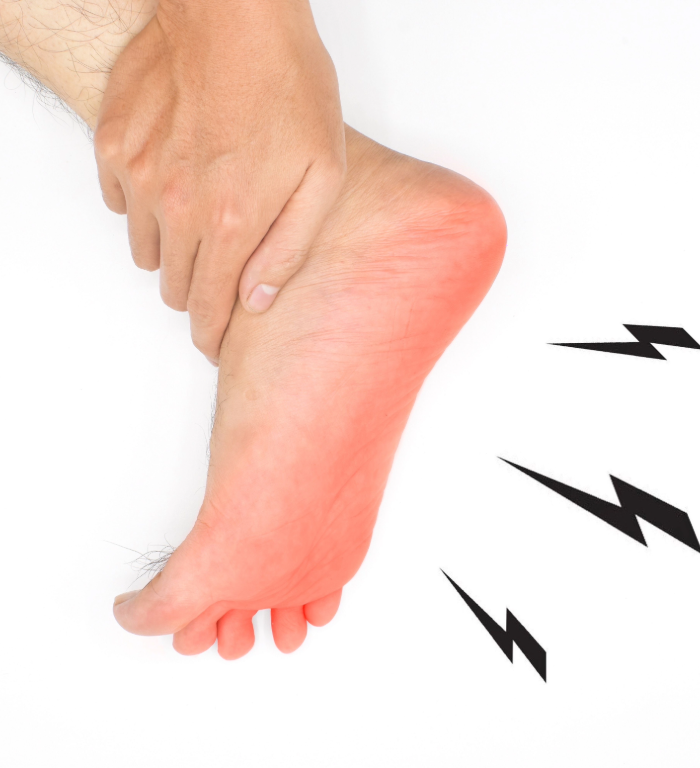
High heels and stiff soles can worsen foot pain in diabetes by increasing pressure on certain points, leading to nerve pain and ulcers.
Solution: Opt for soft-soled shoes for diabetes with shock absorption to protect your feet from impact.
5. Not Replacing Worn-Out Shoes
Old shoes lose cushioning and shape, increasing the risk of injury. Poor footwear and diabetic ulcers often go hand-in-hand when worn-out shoes are used daily.
Solution: Replace diabetic foot care shoes every 6–12 months or sooner if the sole or insole shows wear.
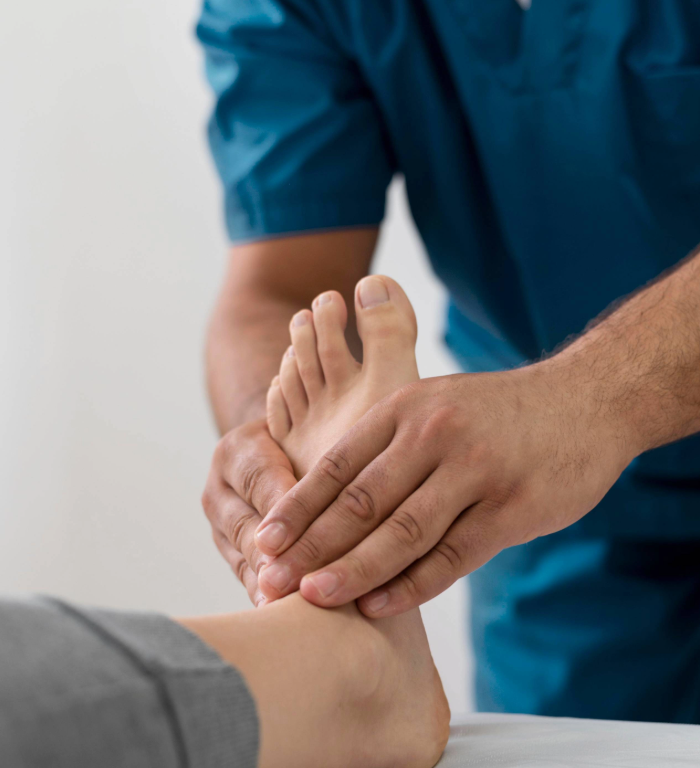
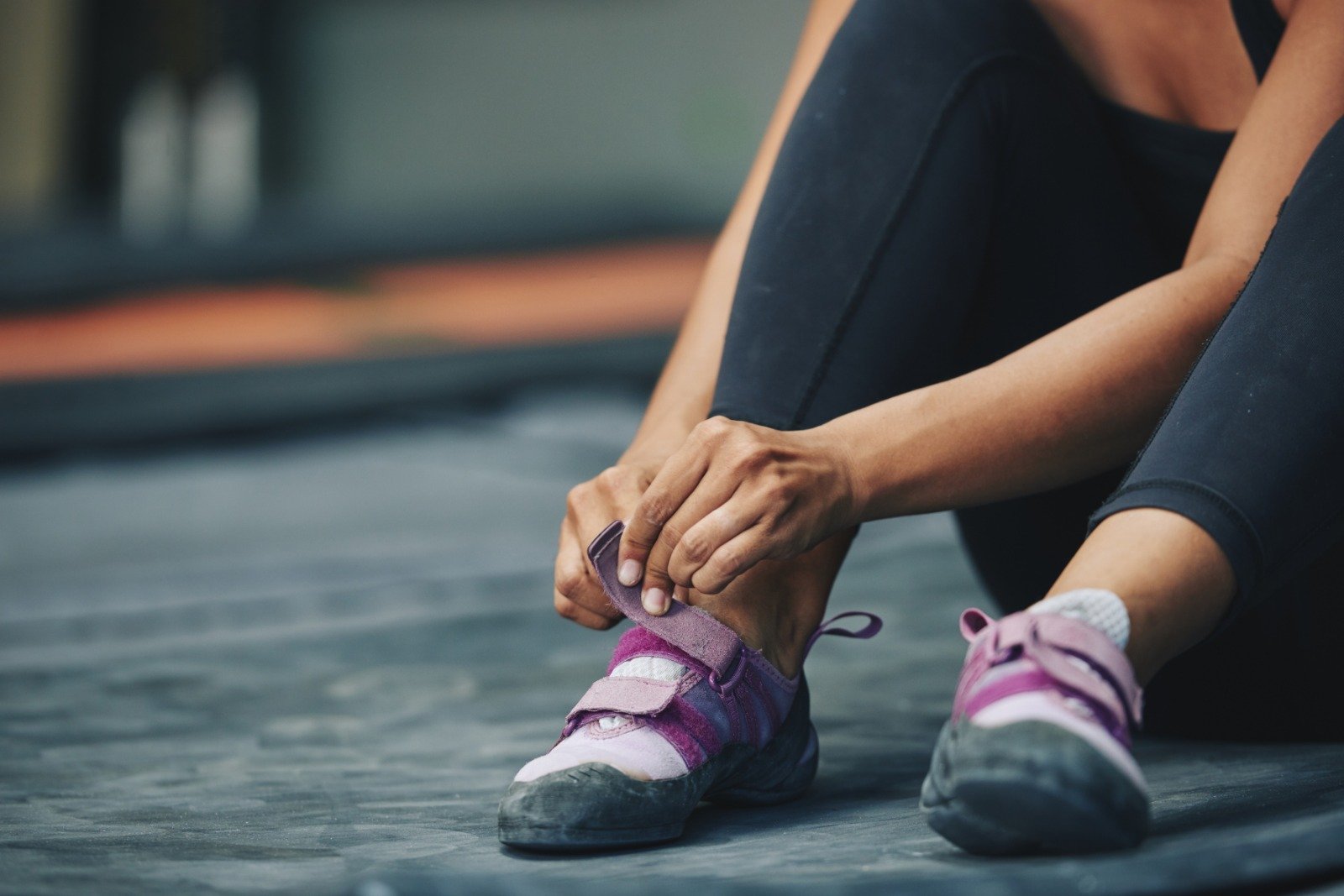
6. Skipping Professional Fitting
Many people guess their shoe size, but diabetic foot care demands precision. Ill-fitting shoes are one of the most common shoe mistakes for diabetes.
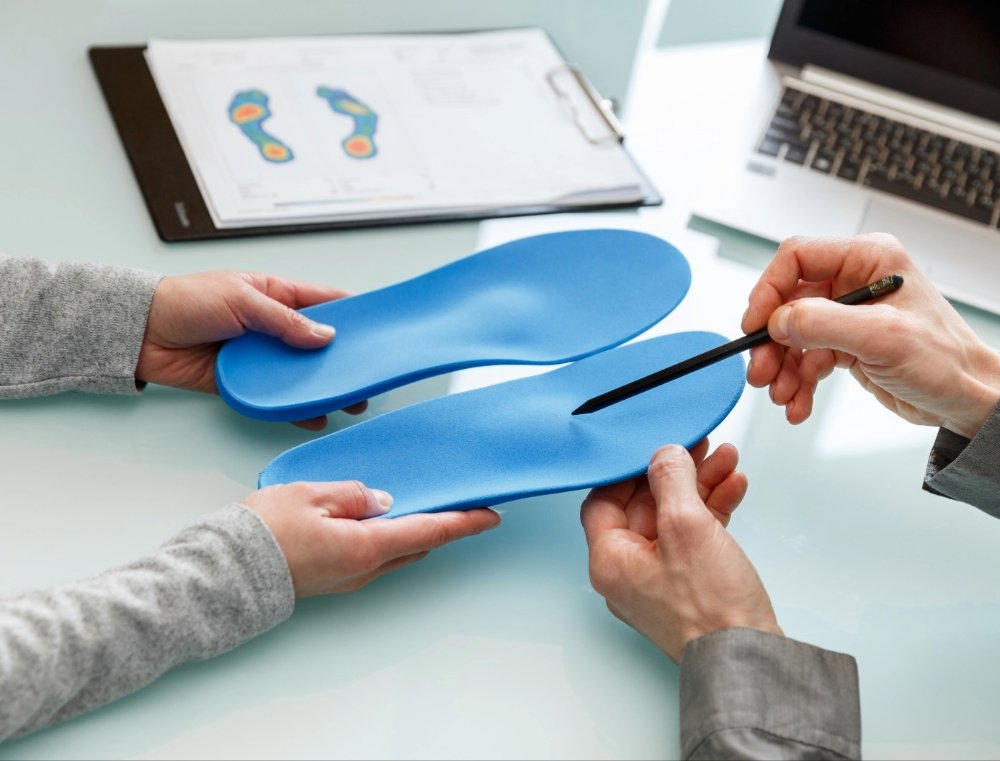
Solution: Visit a specialist like Orange Ortho Care for a personalized fitting and diabetic shoe recommendations.
How to Choose Diabetic Shoes: Quick Tips
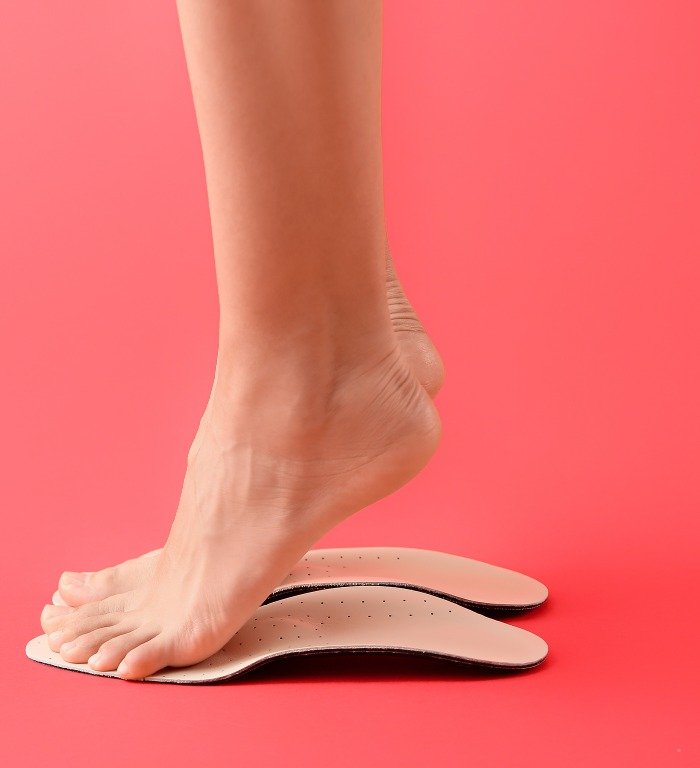
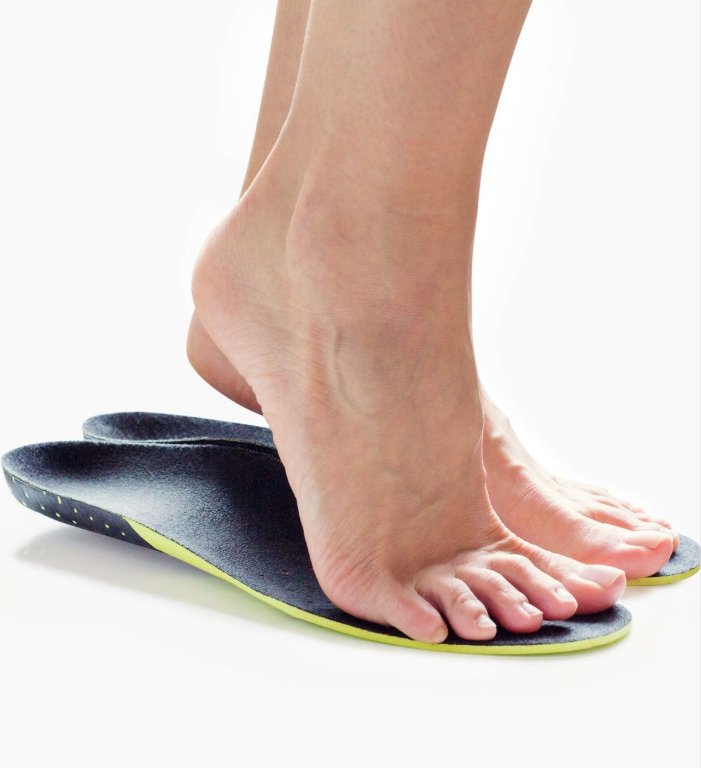
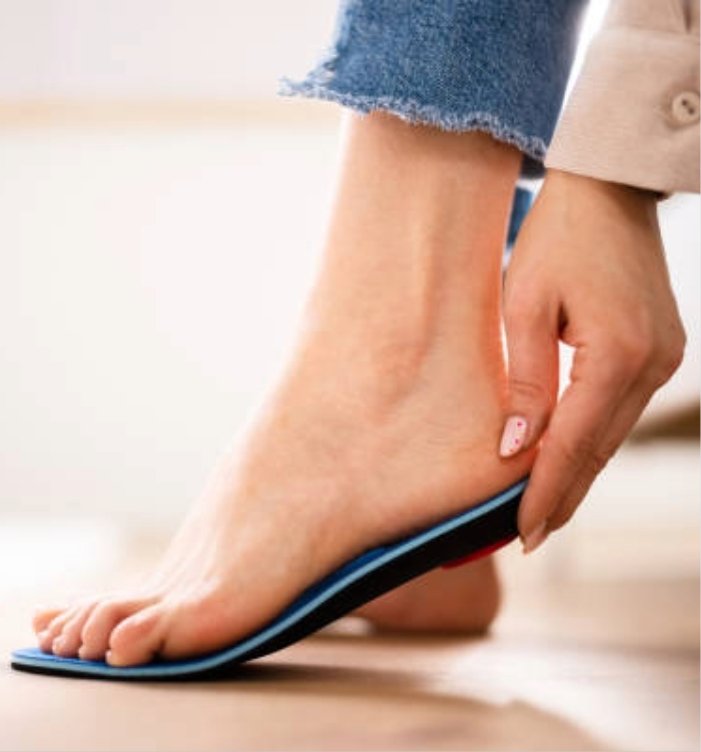
● Look for protective shoes for diabetics with cushioned insoles.
● Pick custom diabetic shoes if you have deformities or ulcers.
● Avoid seams inside the shoe to reduce friction.
● Choose models designed for diabetic neuropathy prevention.
Conclusion
The right footwear is not just about style—it’s about preventing diabetic ulcers and keeping your feet healthy. By avoiding these common diabetic footwear mistakes, you can protect your feet from long-term damage.
At Orange Ortho Care, we offer comfortable shoes for diabetics, custom diabetic shoes, and orthopedic footwear designed to meet the highest standards of safety and comfort.