Heel Pain When You Wake Up? It Might Be Plantar Fasciitis
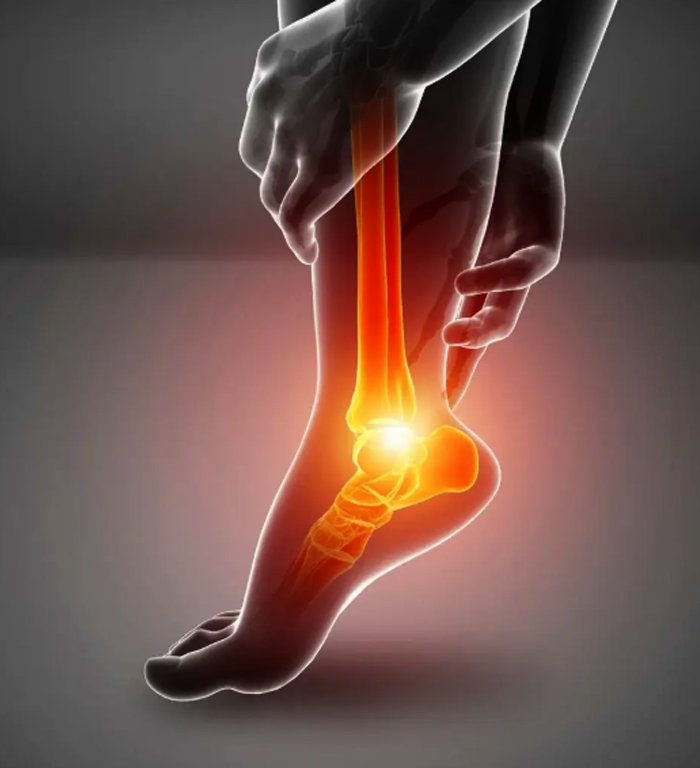
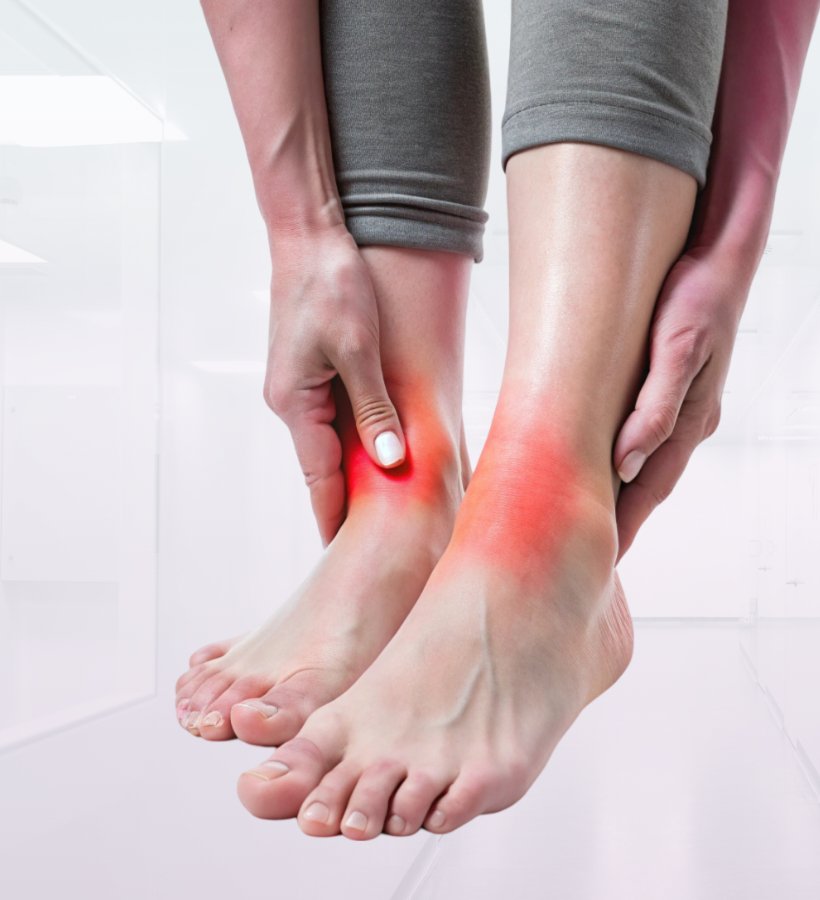
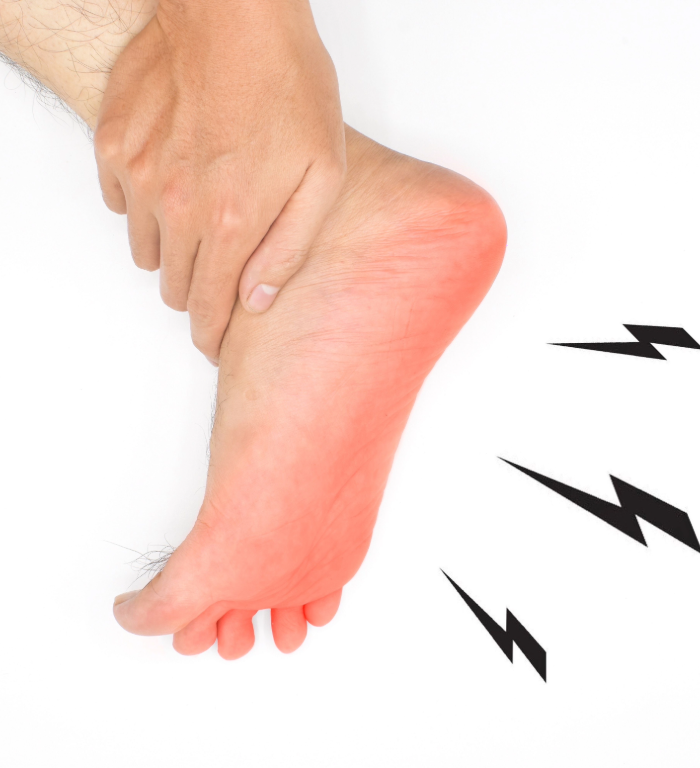
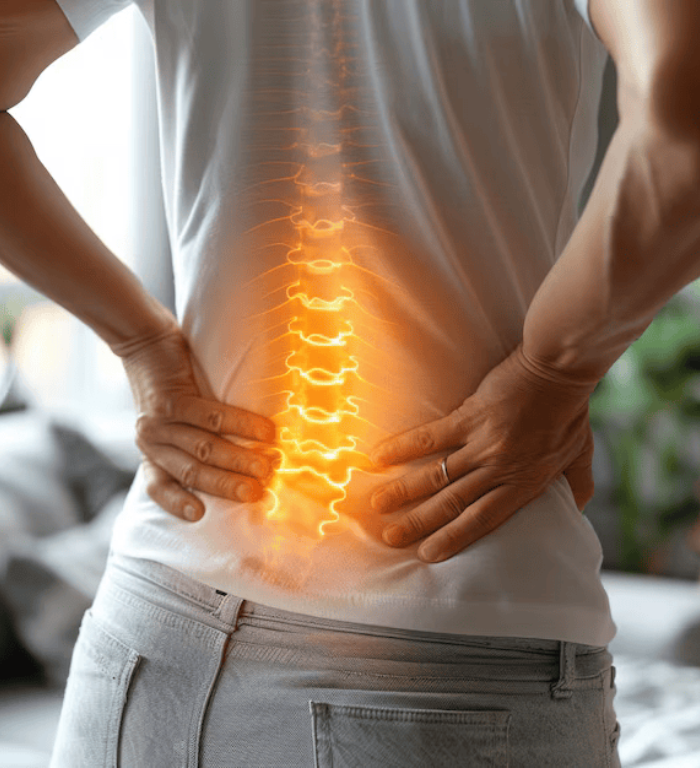
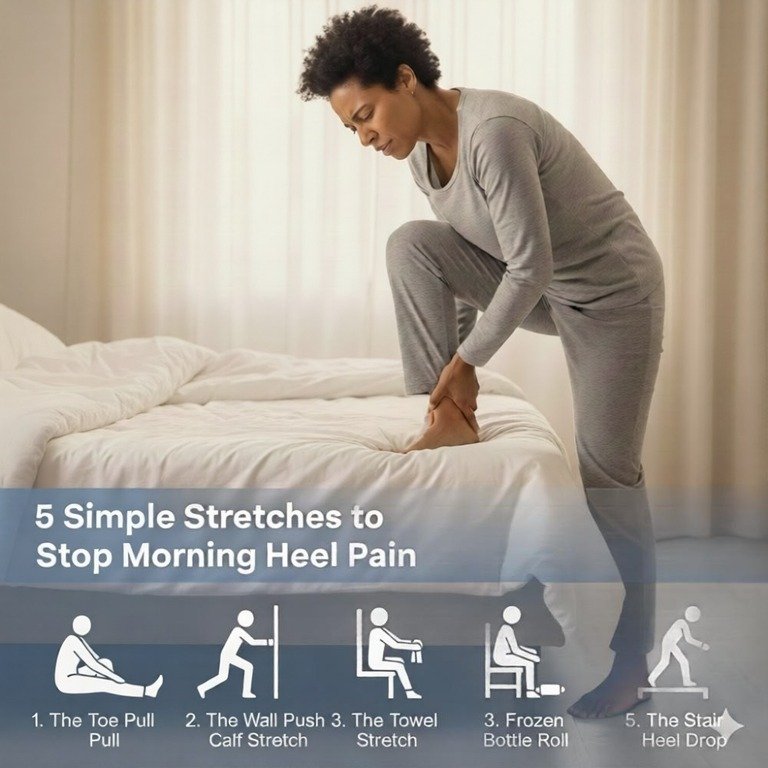
Have you ever stepped out of bed in the morning and felt a sharp pain in your heel? Manypeople describe it as a stabbing pain during the first few steps of the day. After walking for a while the pain may reduce, but it often returns later. One of the most common reasons for this type of heel pain is Plantar Fasciitis. It affects people who stand for long hours, walk a lot, or wear footwear that doesn’t properly support the foot. At Orange Orthocare, we focus on helping people reduce foot pain through properly designed orthopedic footwear that supports the foot and reduces pressure on the heel.
What is Plantar Fasciitis?
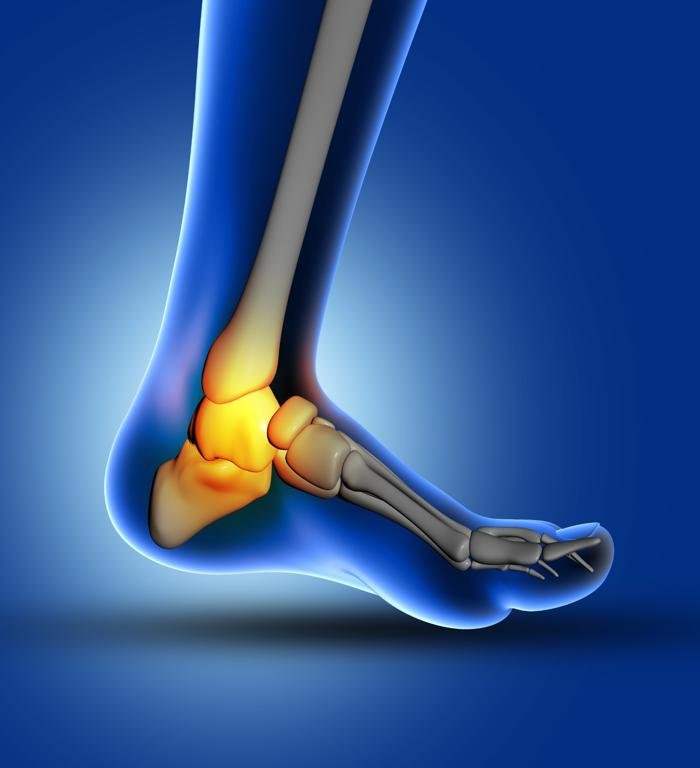
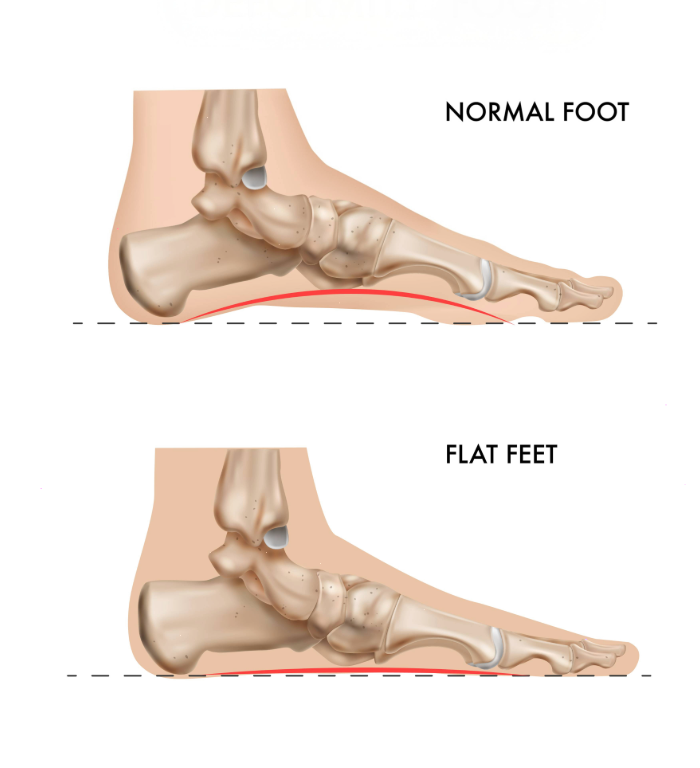
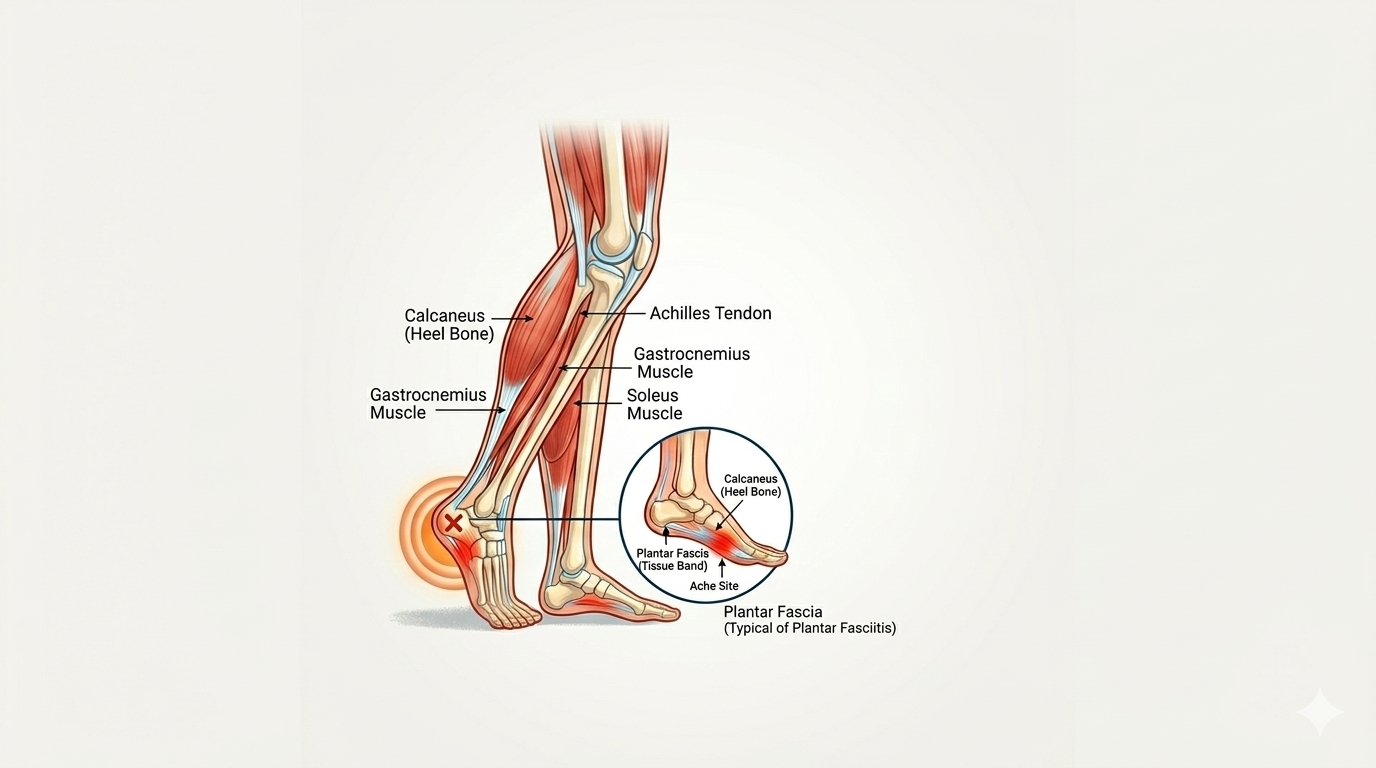
Inside your foot there is a strong band of tissue called the plantar fascia. It runs from your heel to your toes and supports the arch of your foot while absorbing shock when you walk. When this tissue experiences repeated stress, small tears and inflammation can develop. This condition is known as plantar fasciitis, and it usually causes pain around the heel area.
Common Signs to Watch For
People with plantar fasciitis often notice:
- Sharp pain at the bottom of the heel
- Pain during the first steps in the morning
- Heel discomfort after standing for long periods
- Pain after long walks or physical activity
- Tightness in the arch of the foot
The discomfort may ease after moving for a few minutes but often returns after long periods of standing or walking.
Why Heel Pain Happens
Several everyday habits can place extra stress on the plantar fascia.
- Standing for Long Hours
People who work on their feet for extended periods — such as teachers, retail staff,healthcare workers, or factory employees — often experience increased heel strain.
- Poor Footwear
Flat footwear, worn-out shoes, or footwear without proper arch support can increase pressure on the heel and arch.
- Increased Body Weight
Extra body weight increases the load placed on the feet during walking and standing.
- High-Impact Activities
Running, jumping, or intense workouts can place repeated stress on the heel.
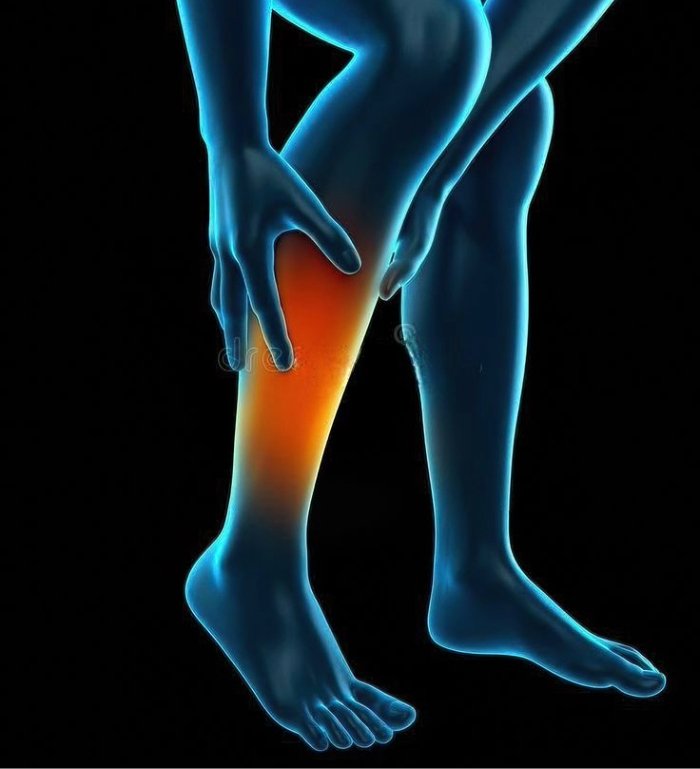
- Tight Calf Muscles
Tight calf muscles can increase tension on the plantar fascia and contribute to heel pain.
How Orthopedic Footwear Can Help
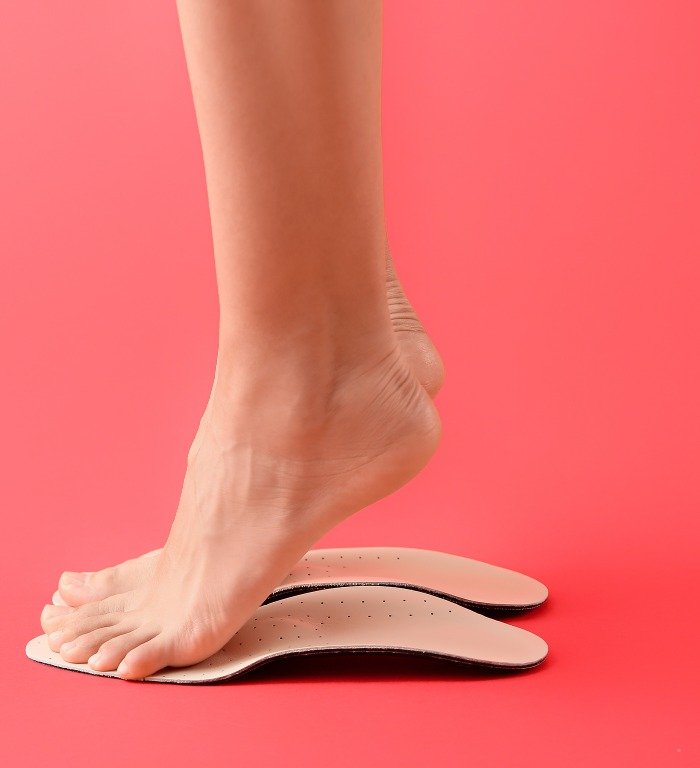
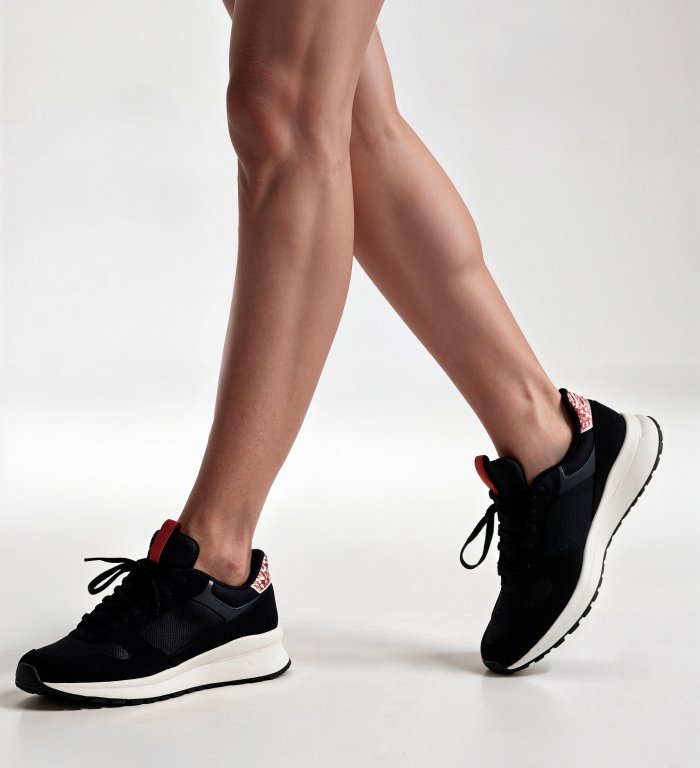
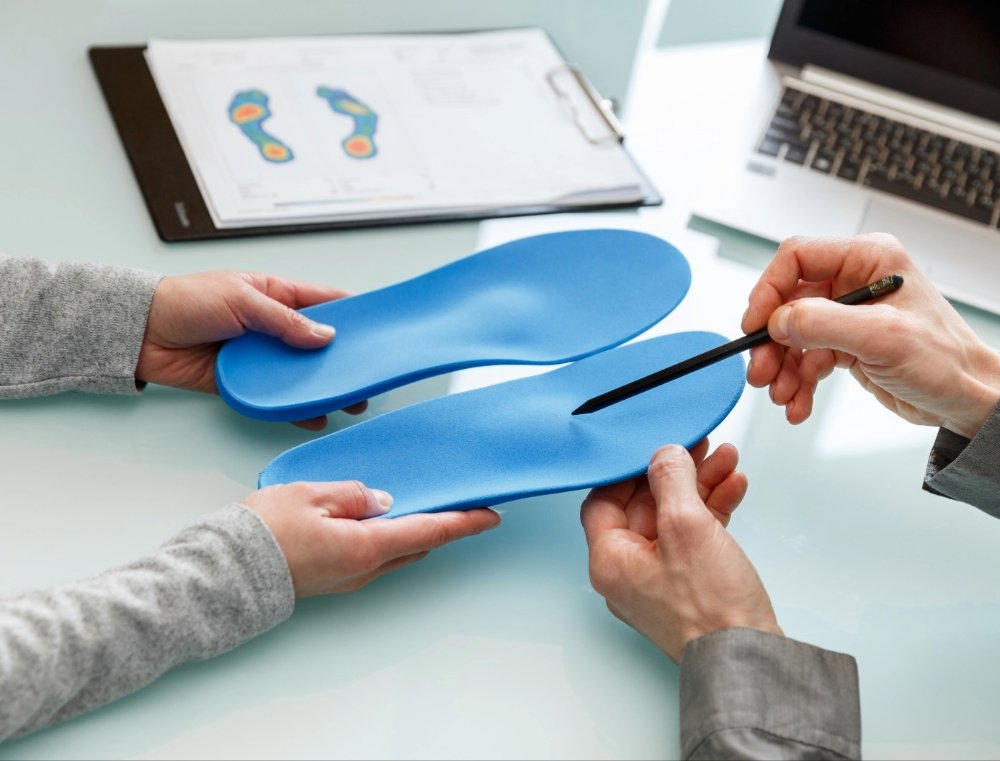
One of the most effective ways to manage heel pain is by wearing supportive orthopedic
footwear that is designed to reduce stress on the foot.
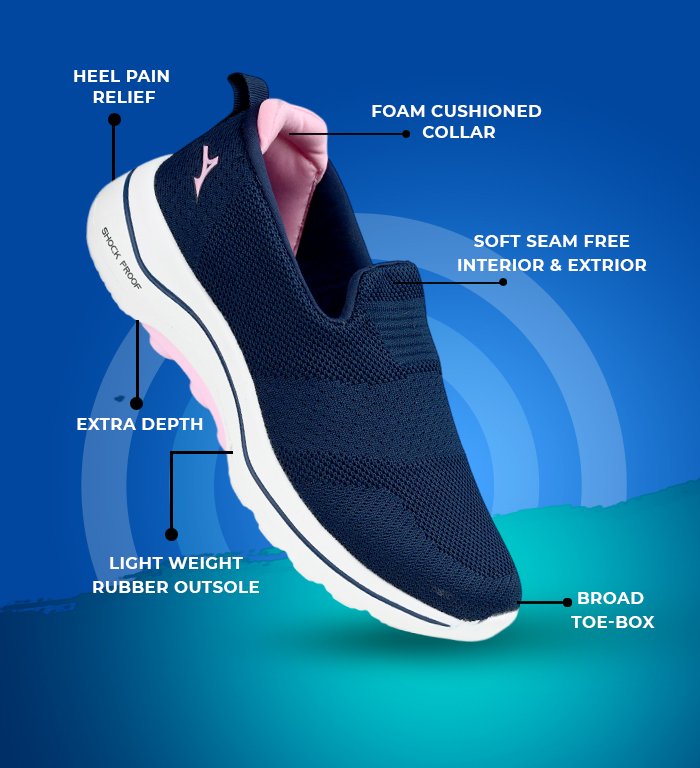
Good orthopedic footwear typically provides:
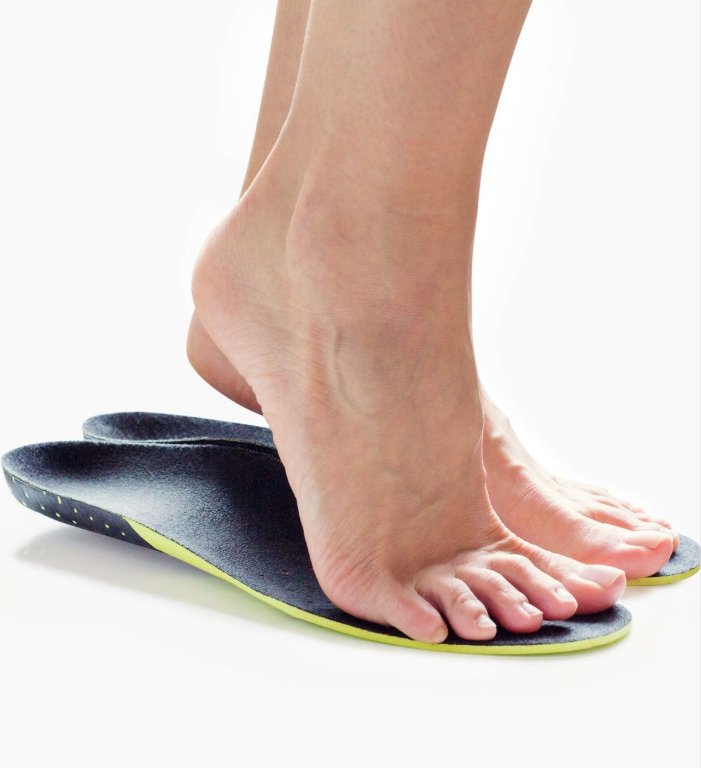
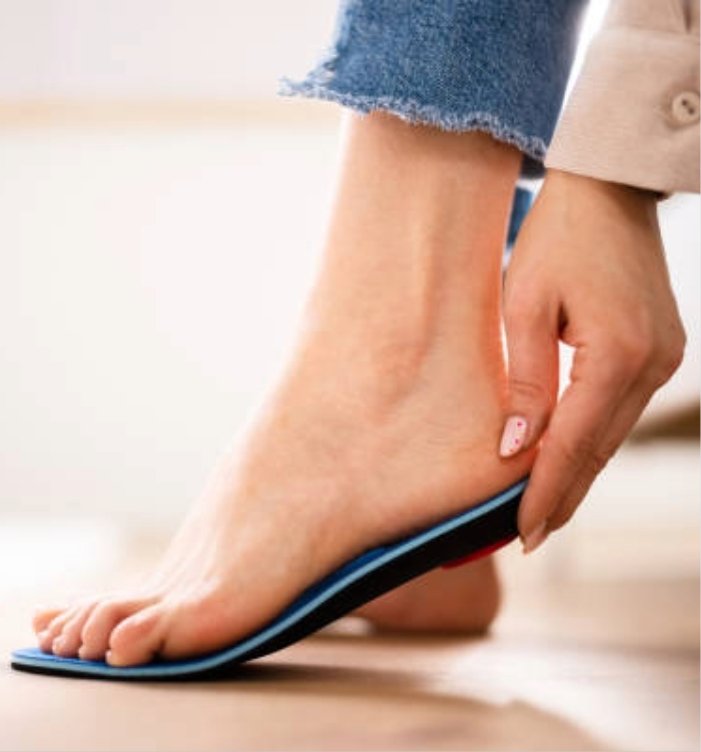
- Proper arch support
- Heel cushioning to absorb shock
- Even weight distribution across the foot
- Improved foot alignment while walking
These features help reduce pressure on the plantar fascia and can make everyday walking much more comfortable.
Simple Tips to Reduce Heel Pain
In addition to wearing supportive footwear, a few simple habits can help reduce strain onyour feet:
- Stretch your calves and feet regularly
- Avoid standing for extremely long periods when possible
- Replace worn-out shoes regularly
- Maintain a healthy body weight
- Choose footwear designed for proper foot support
Small daily changes can significantly reduce the stress placed on your feet.
Choosing the Right Footwear Matters
Many people underestimate how much the right footwear can affect foot health. Shoes that lack support may increase pressure on the heel and arch, making conditions like plantar fasciitis worse.
Orthopedic footwear is designed specifically to support natural foot movement and reduce strain during daily activities.
Support Your Feet with Orange Orthocare
At Orange Orthocare, our orthopedic footwear is designed to provide the support, cushioning, and comfort your feet need for everyday movement.
Whether you spend long hours standing, walking, or simply want better support for your feet, the right footwear can make a significant difference in reducing heel discomfort.
Give your feet the support they deserve with Orange Orthocare orthopedic footwear.