
How Often Should Diabetic Patients Change Their Footwear?
As you know, the prevalence of diabetes in India is increasing rapidly, and its far-reaching effects on the body are a growing concern. Foot health, in particular, is often neglected despite being a critical aspect of overall well-being. Many people prioritize their general health but overlook the importance of foot care. However, even minor foot injuries can lead to serious complications such as infections, wounds, and cuts. This is why it's crucial to prioritize proper footwear, choose the right shoes, and replace them regularly. Maintaining good foot hygiene and wearing diabetic-friendly footwear is essential. Diabetic shoes have unique features that cater to the specific needs of diabetic feet, setting them apart from regular shoes. According to the National Institutes of Health and various studies, India has a significant burden of diabetes, with an estimated 19.4 million individuals currently affected by this disease, which is likely to go up to 30.2 million by the year 2025. In this blog, we'll explore the importance of proper diabetic footwear and showcase how Orange Orthocare can help protect your feet and maintain overall well-being, particularly focusing on how often diabetic individuals need to change their footwear.
Why do diabetics need special footwear?
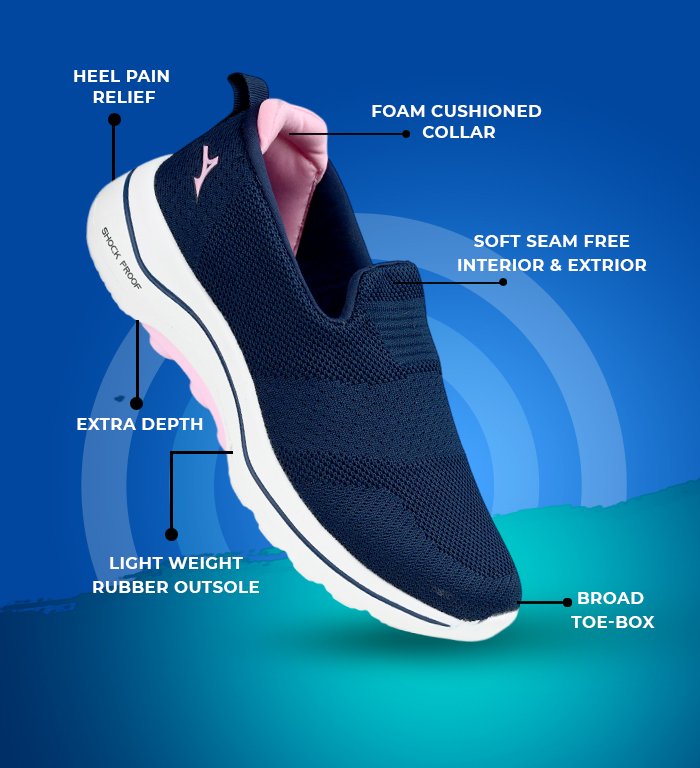
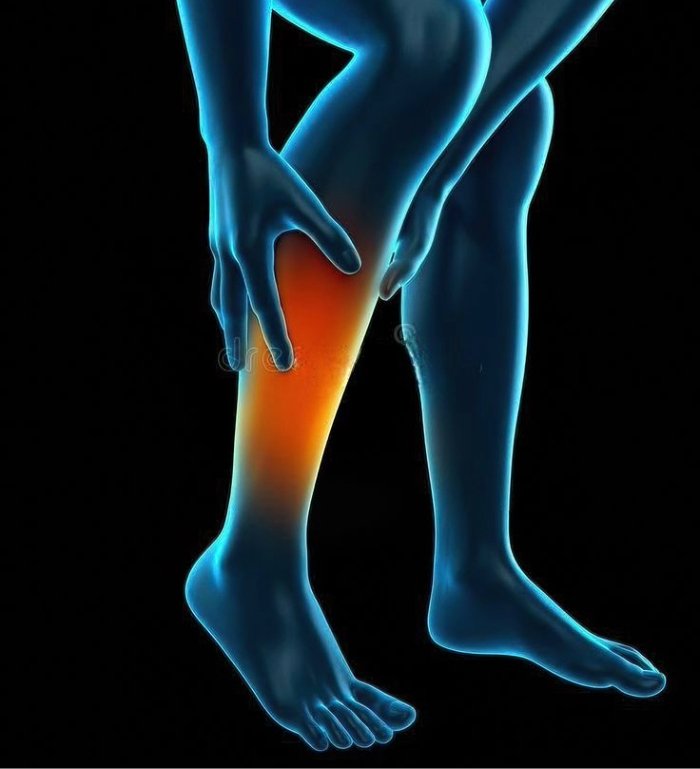
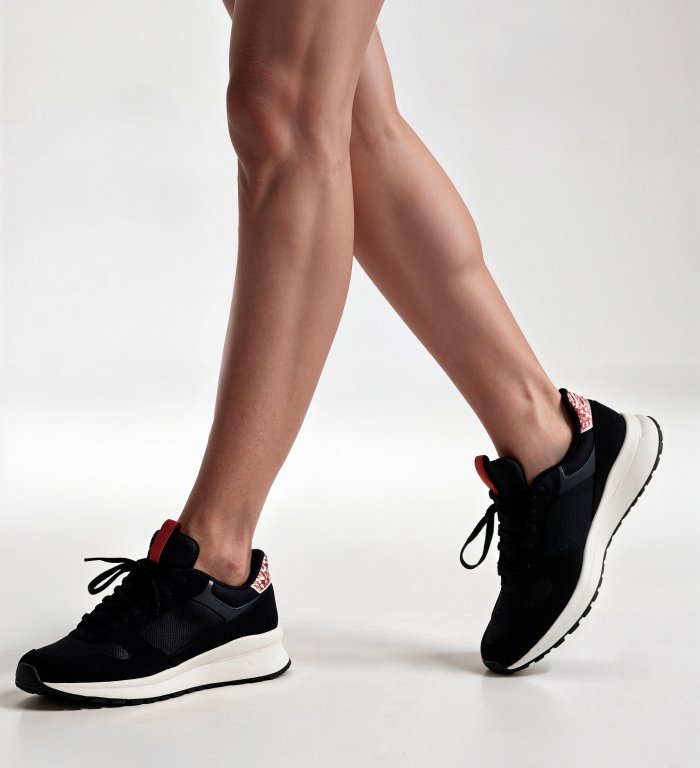
Diabetes can affect the nervous system and blood flow. This often causes neuropathy (loss of sensation in the feet). As a result, diabetics may not notice wounds or blisters on their feet. In addition, reduced blood flow slows down the healing process and increases the risk of infection. Regular shoes can put too much pressure on the feet and cause abrasions. This is where diabetic shoes come in. Diabetic footwear are designed to provide special protection for the feet of diabetics. They have some unique features that set them apart from regular shoes:
· Extra Depth: This provides more space for the feet, which is helpful for swollen feet and insoles.
· Seamless Interior: Eliminating seams inside the shoes reduces friction and prevents blisters.
· Protective Toe Box: Provides adequate protection for the toes.
· Cushioning: Helps reduce impacts and provide comfort to the feet.
· Adjustable Closures: Features such as Velcro straps ensure a precise fit to the feet.
This is why diabetic shoes are considered the best shoes for diabetic patients.
How often should diabetic shoes be changed?
This is a common question, but it is difficult to give a definitive answer. This is because it depends on the intensity of use of the shoes, the quality of the shoes, and the characteristics of the feet. If you are a person who uses diabetic shoes daily, a pair of them can usually last for about 6 months to 1 year. After this period, the cushioning of the shoes can decrease and the support can be lost.
1. Moderate use: If you are a person who uses the shoes only occasionally, you can probably use them for up to a year and a half.
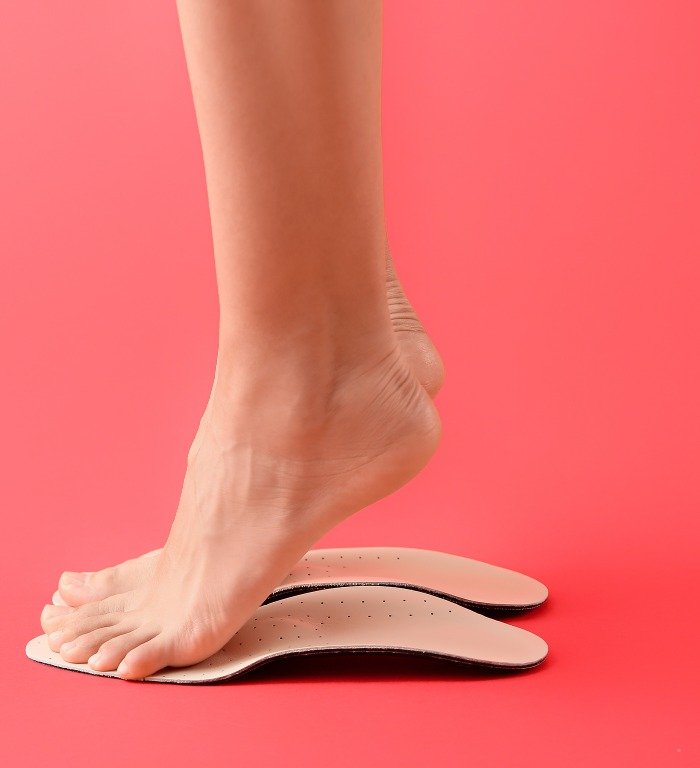
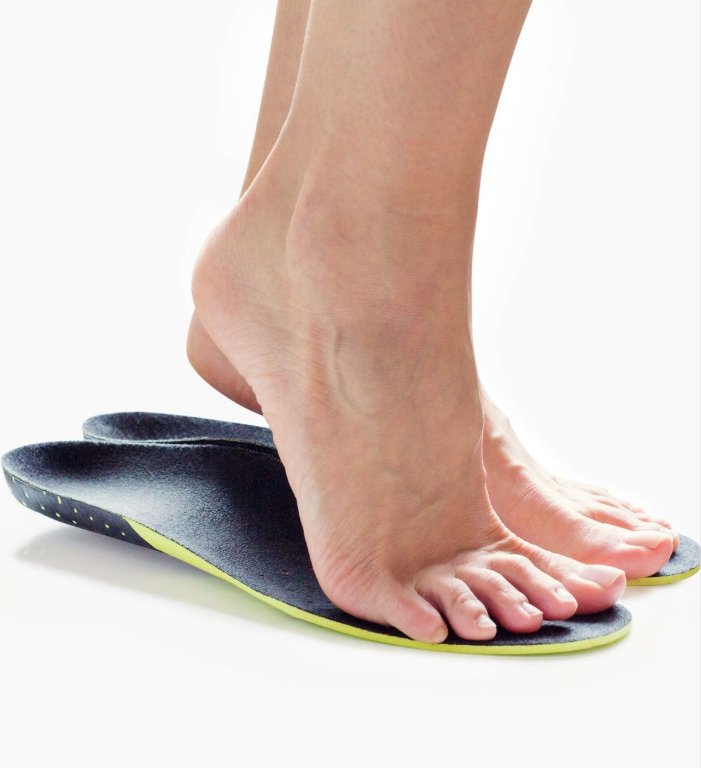
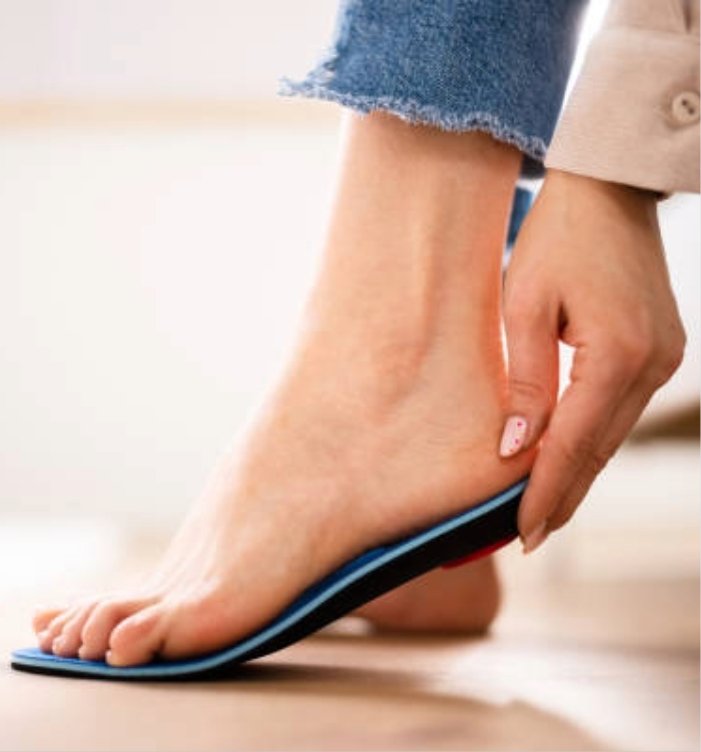
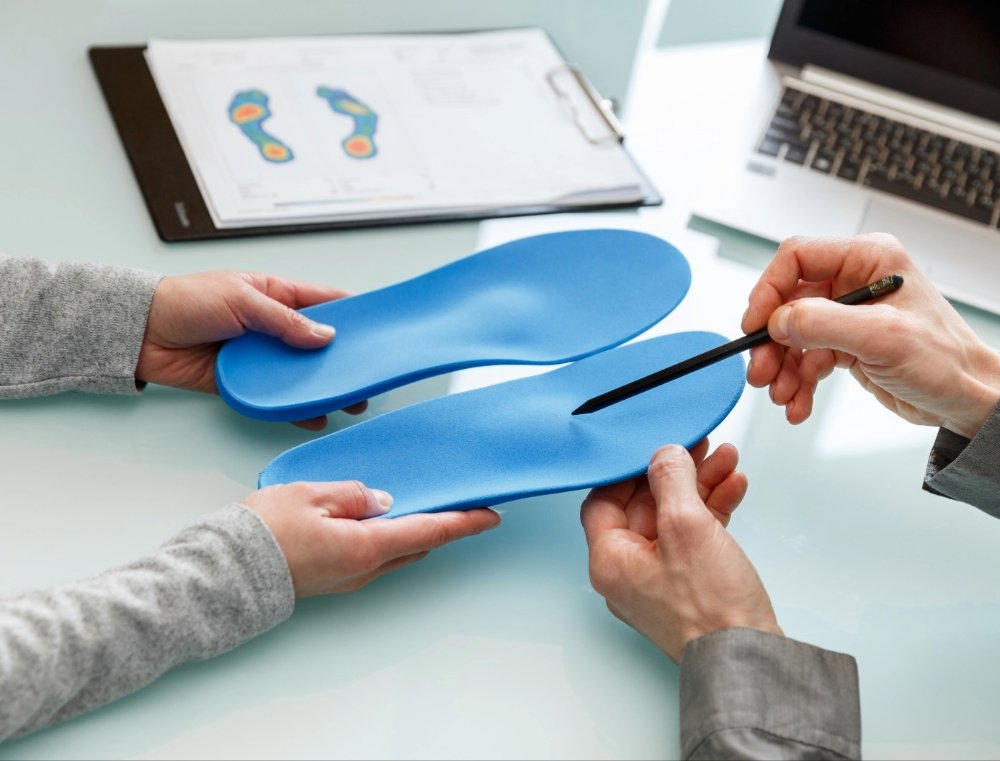
2. Insoles: The insoles inside the shoes can wear out faster than the shoes themselves. It is a good idea to check the insoles every 3-6 months and replace them if necessary. Diabetic insoles from Orange Orthocare provide excellent support and comfort for your feet.
3. Professional advice: It is always advisable to seek advice from your foot specialist or podiatrist. They can give you the right instructions based on the condition and needs of your feet.
How do you know when it’s time to replace your diabetic shoes?
Here are some signs to help you know if your diabetic shoes are worn out. Paying attention to these signs can help extend the lifespan of your diabetic footwear and protect your feet.
Loss of cushioning inside: If the padding or cushioning inside your shoes feels flat or unsteady, it’s time to replace them.
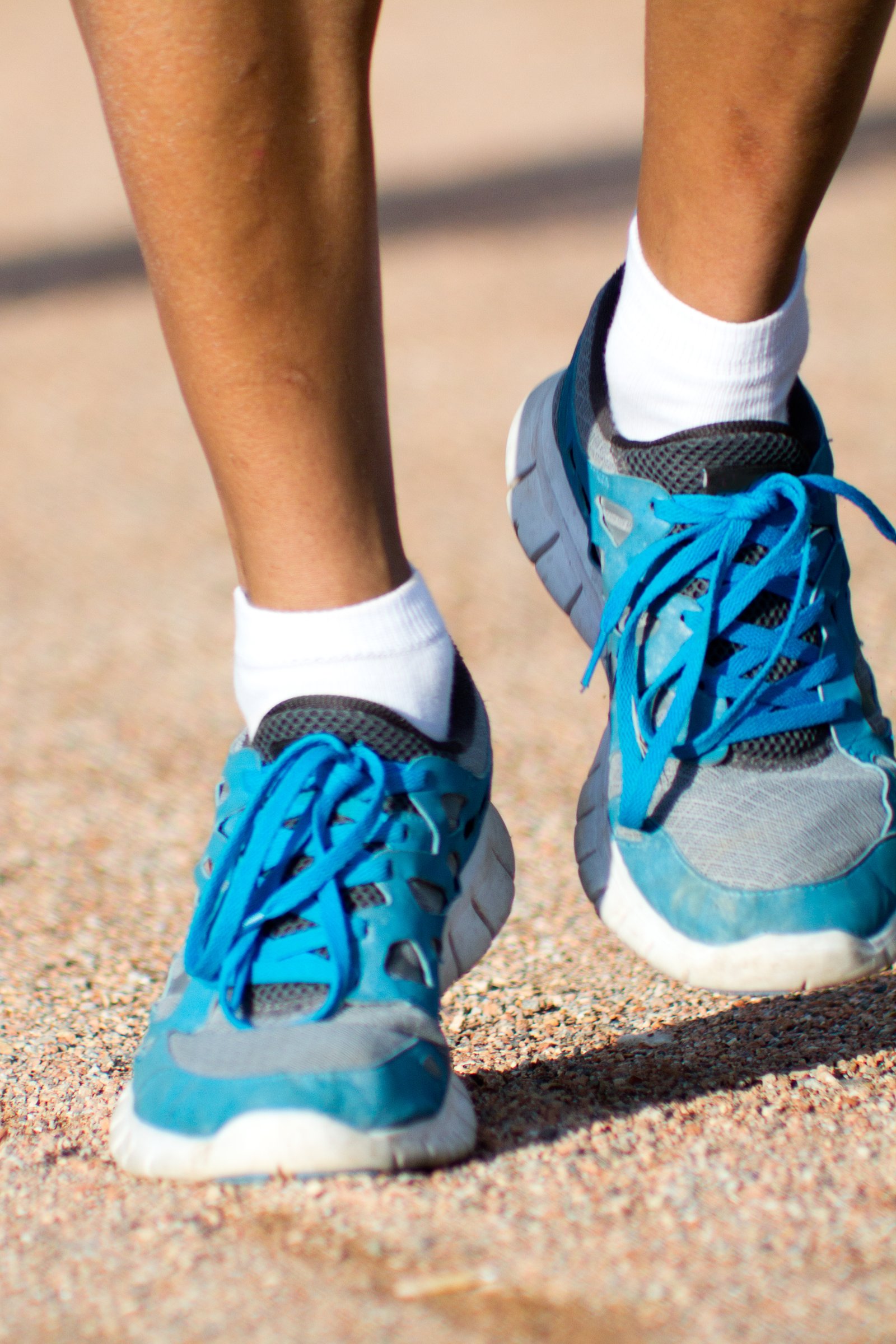
Wear on the outside: If the outsole of your shoes has worn out and is smooth or has worn more on one side, it’s a sign that they’re not providing the right support.
Friction inside: If the stitching inside your shoes feels loose or there’s too much friction on your feet, it can lead to blisters and sores.
Loss of fit: The shoes feel loose or don’t support your feet properly.
Damage to the outer part: If the upper part of the shoes has tears or cracks, they may not provide adequate protection for your feet.
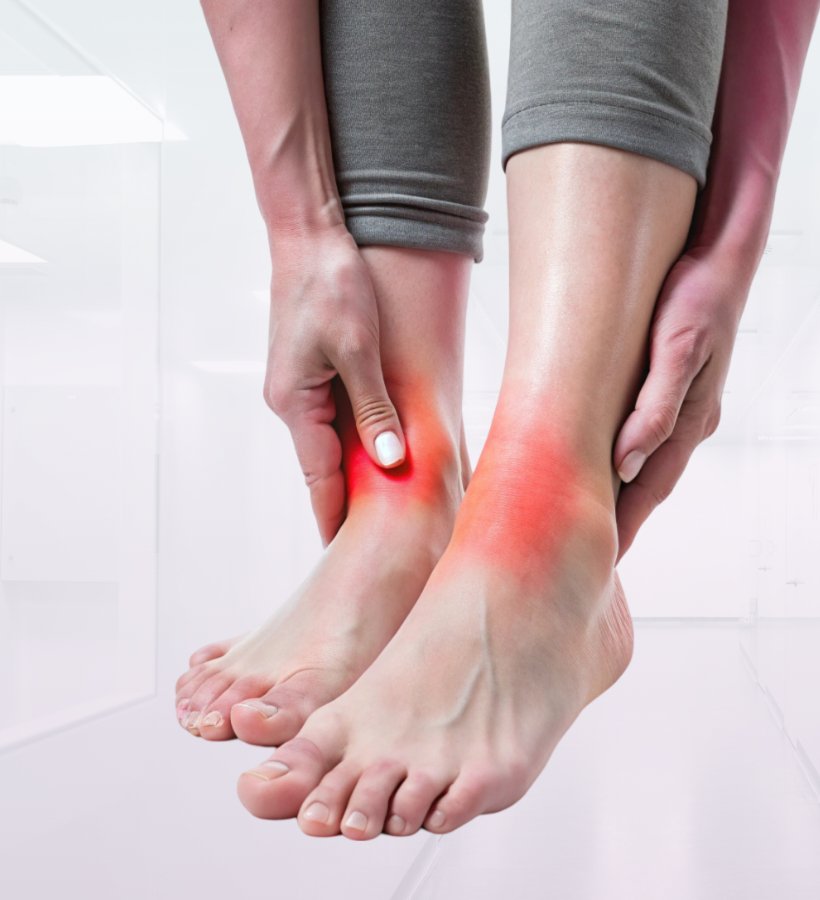
Foot discomfort : If developing new problems on your feet after wearing shoes, such as redness, blisters, pain, or calluses, it is a sign that you need to replace your shoes and buy new ones.
DIABETIC FOOTWEAR MAINTENANCE TIPS
Proper care is essential to extend the life of your diabetic shoes and ensure they perform at their best:
Clean daily: Wipe off minor dirt with a damp cloth.
Switch shoes regularly: Instead of wearing the same shoes every day, alternate between two or three pairs of shoes to extend their life.
Keep them fresh : Store shoes in a dry and well-ventilated area.
Inspection: Check the inside of your shoes every day before wearing them for any stones or other dirt
Change insoles: Don’t hesitate to change insoles if necessary.
Essential Diabetic Foot Care Tips
Foot Care for Diabetics is essential. Just as important as wearing diabetic shoes is taking proper care of your feet.
Check your feet daily: Look for redness, cuts, blisters, swelling, and calluses.
Wash your feet: Wash your feet daily with warm water and soap, and dry them thoroughly between your toes.
Moisturize: Apply moisturizer to your feet, but avoid applying it between your toes.
Take care of your nails: Cut your nails straight across, making sure the edges don't become indented.
Never walk barefoot: Avoid walking barefoot, even indoors.
Protect Your Feet With Orange Orthocare
Understanding the importance of diabetic feet, Orange Orthocare offers the best quality diabetic footwear products. Our diabetic shoes are designed to provide maximum safety and comfort to your feet. Orange Orthocare's products are made of high-quality materials. We will help you choose the best shoes for diabetic patients. Our collection, available in various styles and sizes, gives you the opportunity to choose according to your individual needs. Our diabetic insoles provide extra comfort and support to your shoes. By choosing Orange Orthocare's diabetic shoes, you can ensure the necessary protection for your feet and get some relief from the foot problems caused by diabetes.
CONCLUSION
For diabetics, taking care of their feet should be a part of their lifestyle. Choosing the right diabetic footwear and changing them on time is essential to maintaining foot health. Keep an eye on the wear and tear of your shoes and don't hesitate to buy new ones if necessary. Check your diabetic shoes every 6 months to 1 year and assess whether they need to be replaced. Orange Orthocare is always there to take care of your foot health.