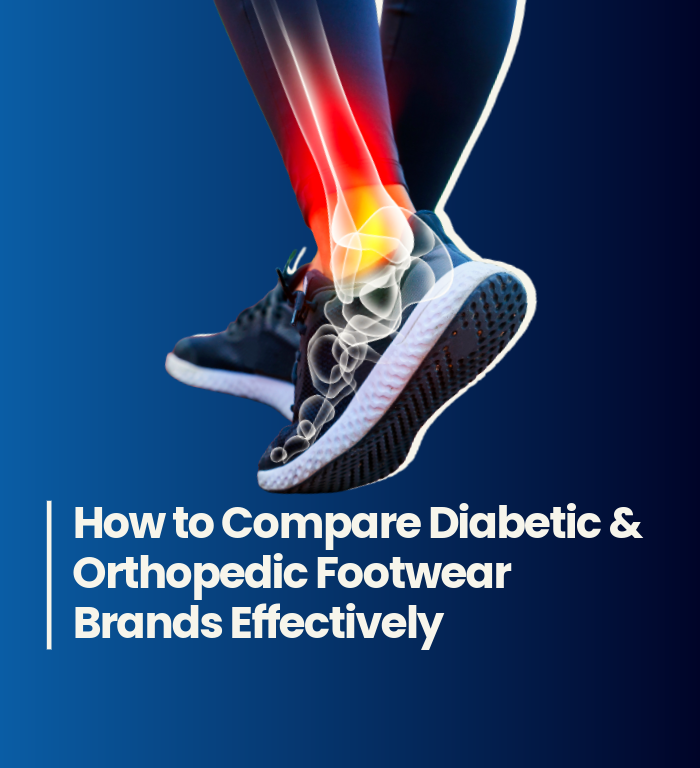
How to Compare Diabetic & Orthopedic Footwear Brands Effectively
Choosing the right diabetic or orthopedic footwear is much more than choosing a pair of shoes — it’s choosing comfort, safety, and long-term foot health. With several brands in the market, it can be challenging to decide which one is best. Most people compare only the price, but when it comes to diabetic or orthopedic footwear, the real value lies in the support, material, technology, and fit.
This blog will help you understand how to compare diabetic orthopedic footwear brands, what to look for, and how to identify the best diabetic footwear brands in India.
Why Choosing the Right Footwear Matters
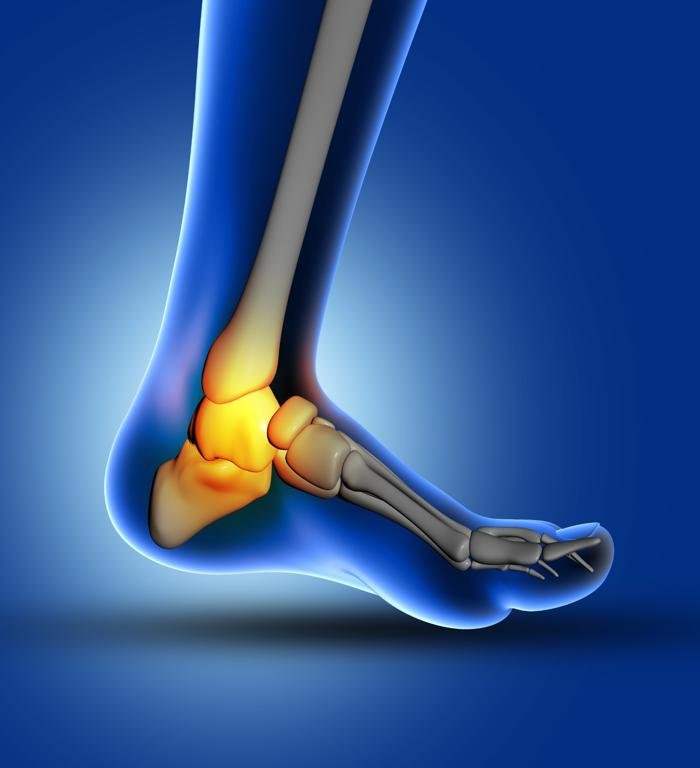
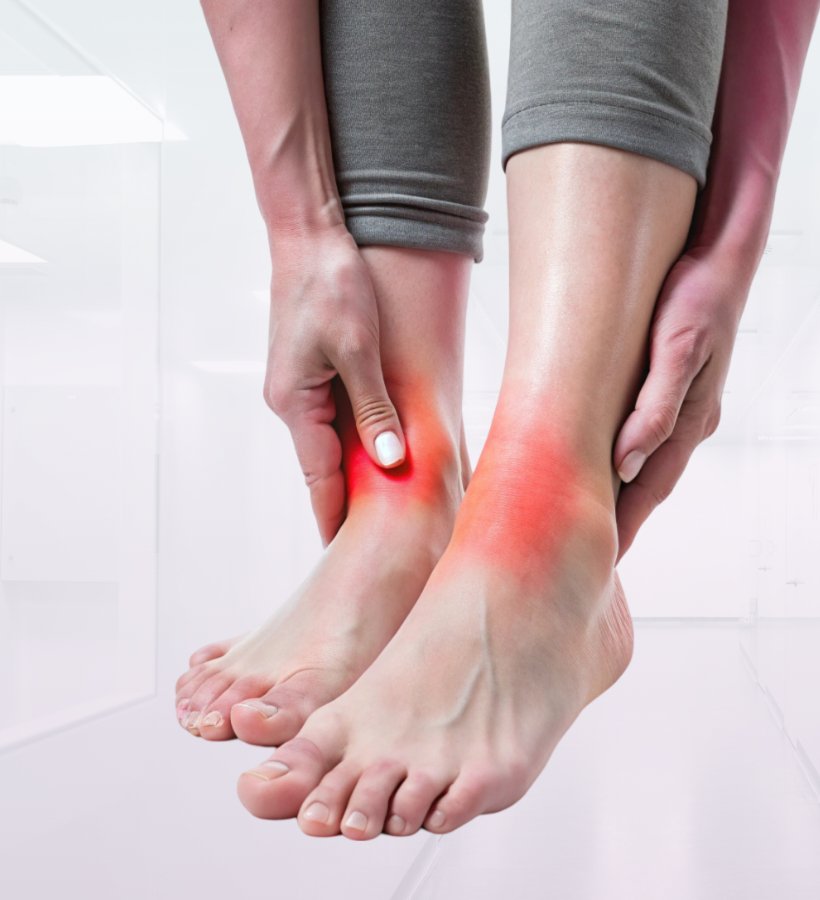
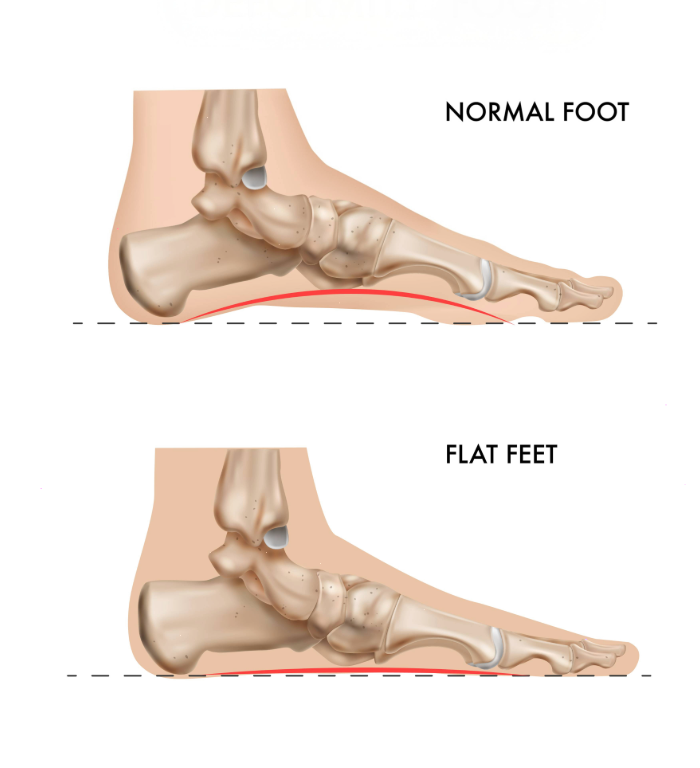
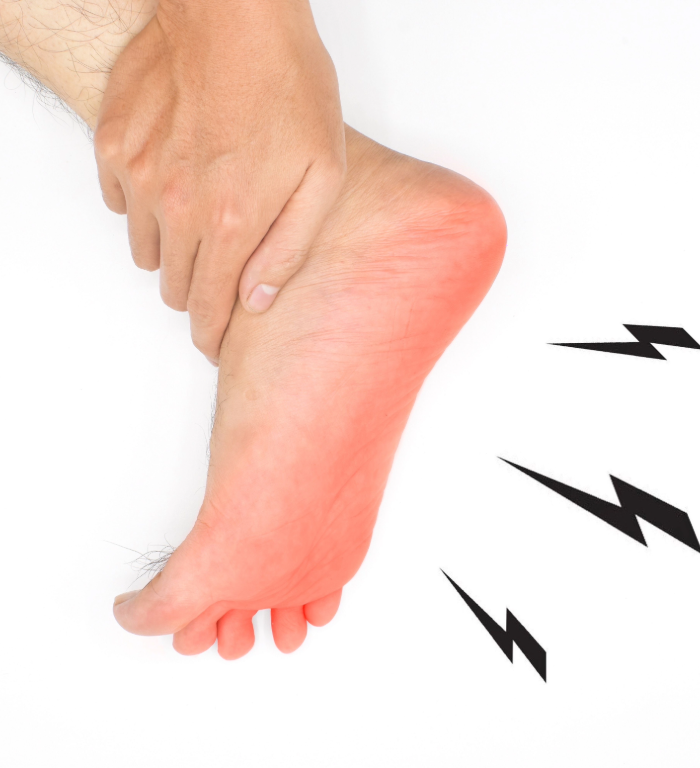
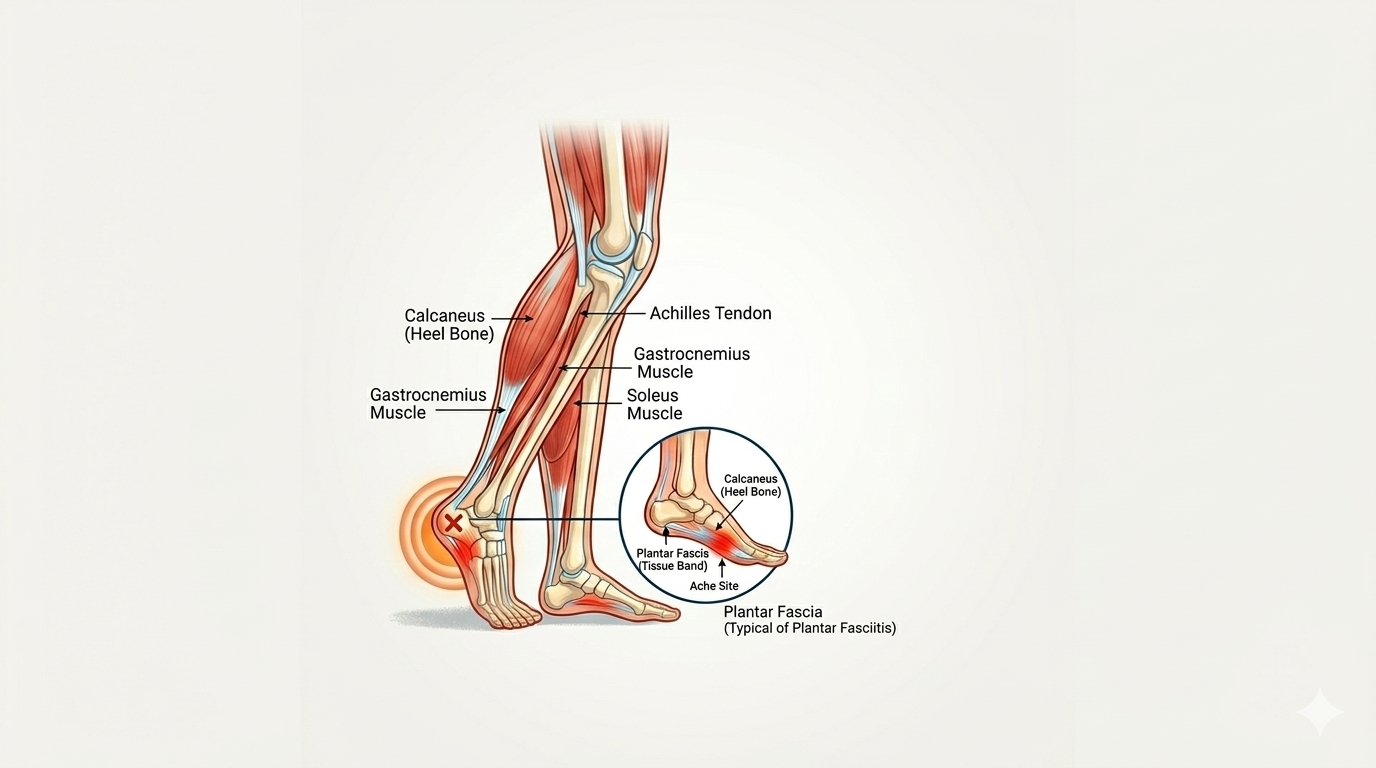
People with diabetes, arthritis, plantar fasciitis, heel pain, or flat feet need footwear that supports and protects their feet. Wearing improper shoes can lead to:
- Foot ulcers (for diabetics)
- Increased heel and arch pain
- Poor balance and posture
- Irritation, blisters, and swelling
- Long-term foot deformities
Good footwear improves mobility, reduces pain, and prevents complications.
Factors to Check When Comparing Diabetic/Orthopedic Footwear Brands
1. Material Quality & Skin Protection
The material used in diabetic footwear must be soft, breathable, and skin-friendly. Look for:
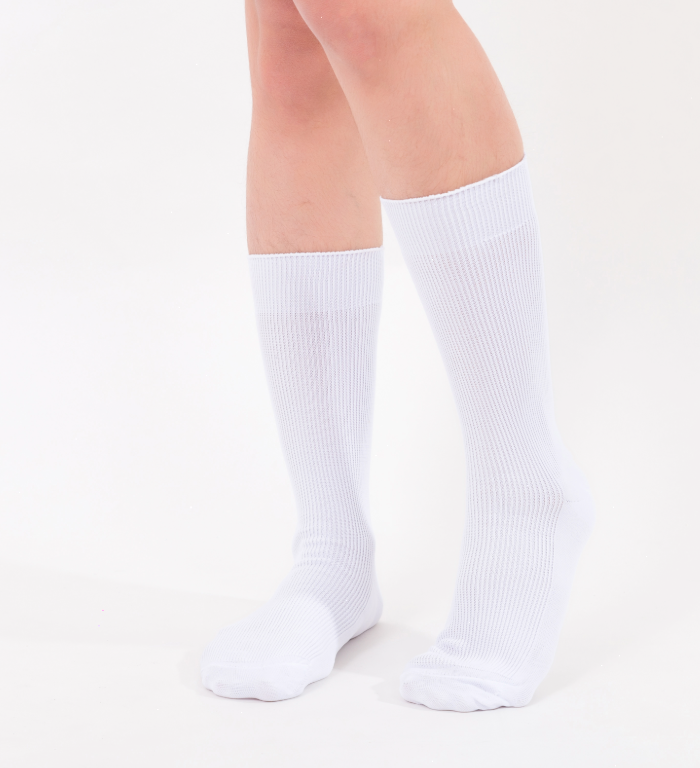
- Seamless interiors
- Soft mesh or fabric
- Micro-cellular EVA soles
- Anti-fungal lining
- Padded insides
Cheap materials can cause friction and irritation — dangerous for diabetic skin.
2. Sole Technology & Pressure Distribution
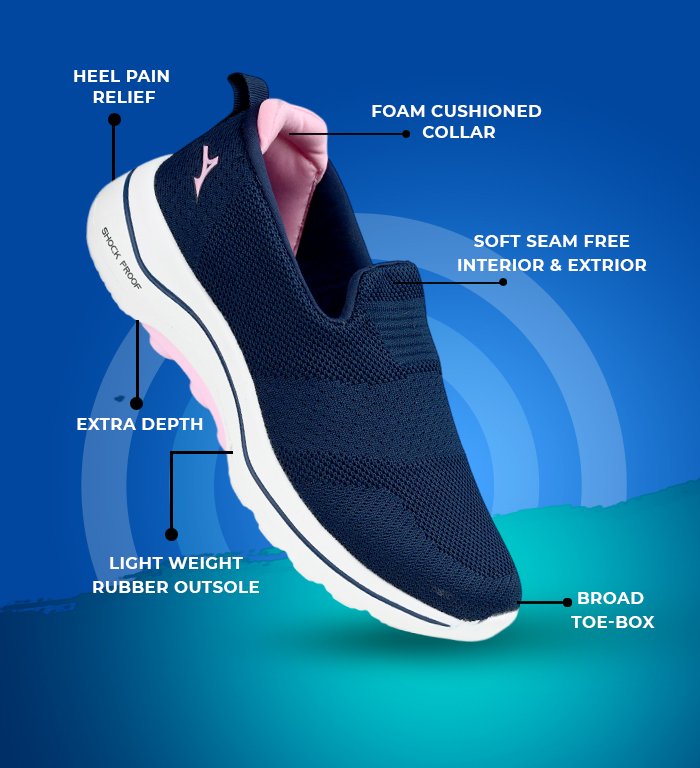
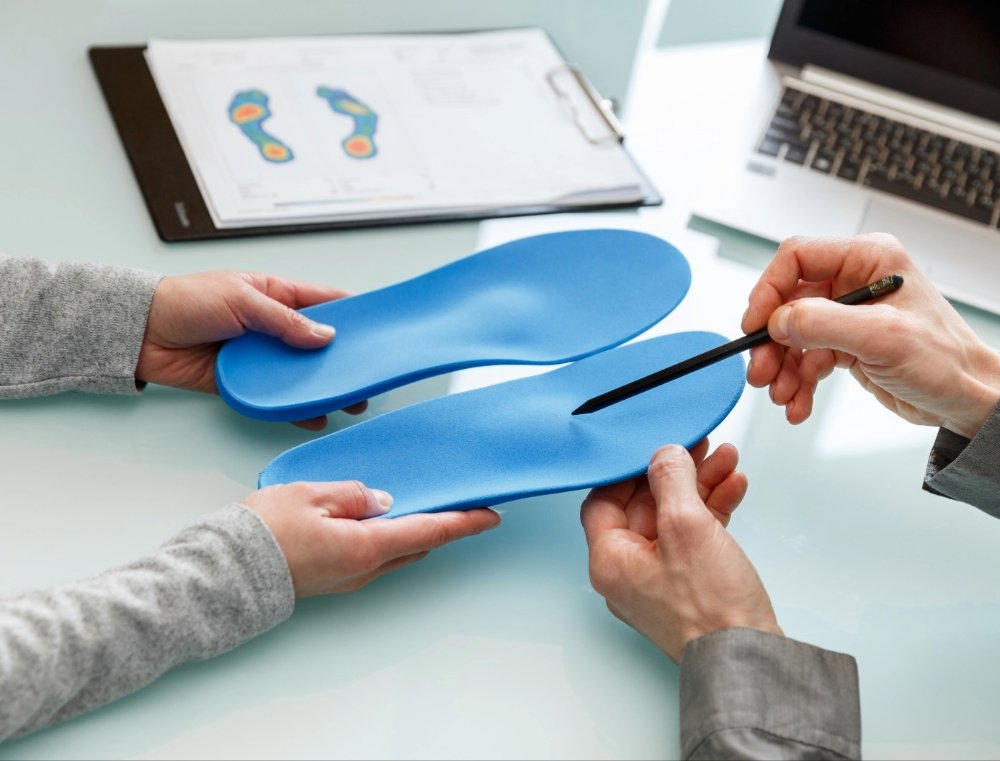
One of the most important things to compare is the sole technology. A good diabetic or orthopedic shoe should have:
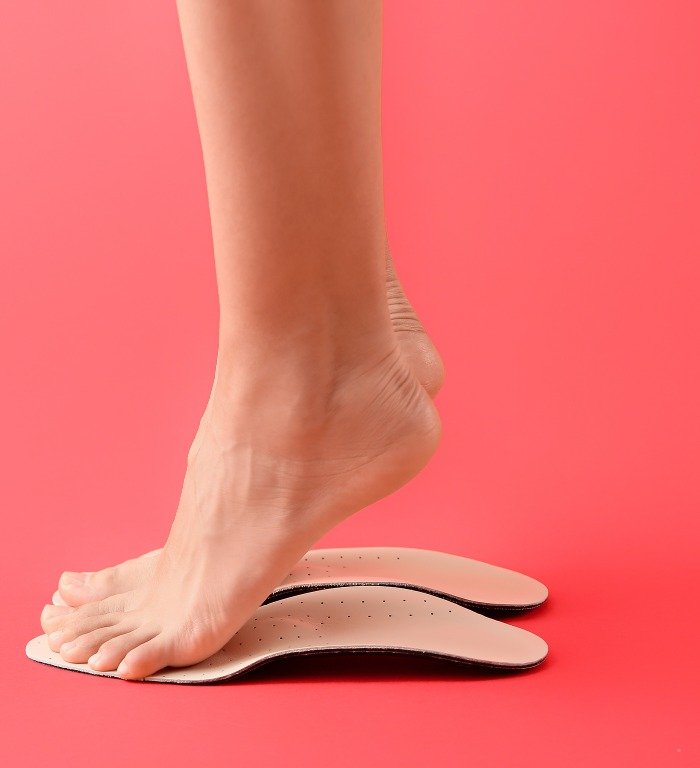
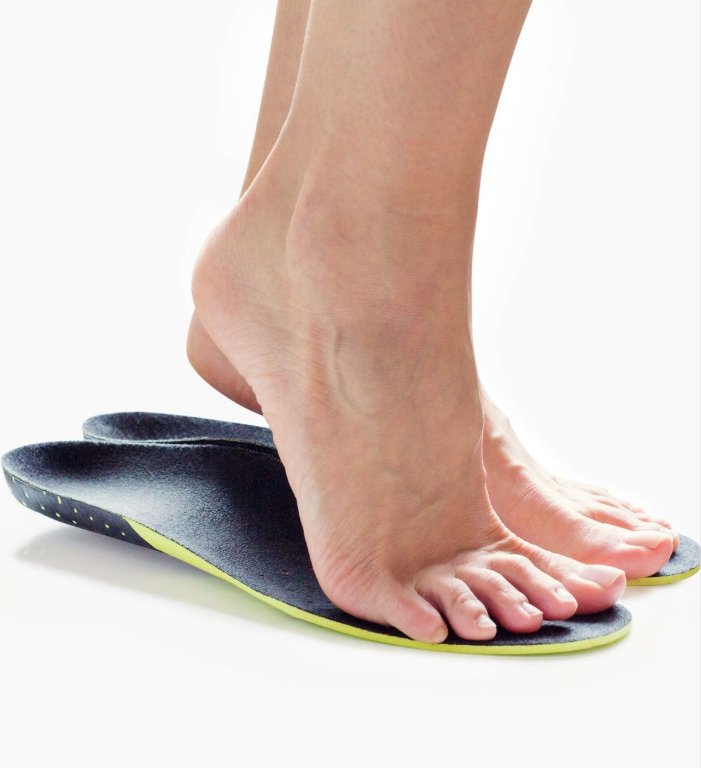
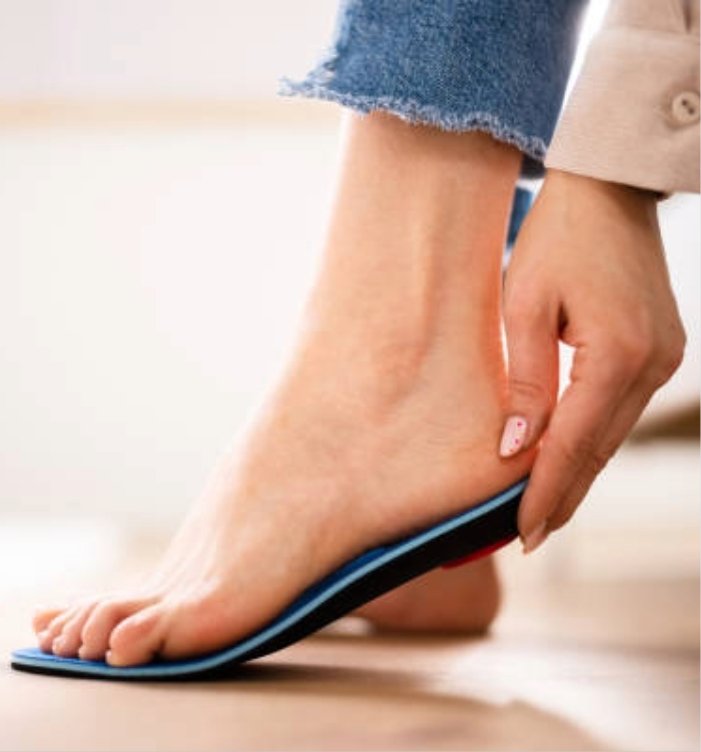
- Arch support
- Heel cushioning
- Anti-skid grip
- Shock-absorbing midsoles
- Even pressure distribution
Diabetic feet require shoes that reduce pressure points to avoid ulcers, while orthopedic users need proper alignment and cushioning to reduce pain.
3. Medical Certifications & Podiatrist Approval
Brands that are podiatrist-recommended or medically tested offer more trustworthy products. Look for:
- Diabetic footwear certification
- Orthopedic recommendations
- Clinical testing
Medical-grade footwear ensures safety and performance.
4. Fit Accuracy & Customization
A common mistake is choosing footwear based only on length. For diabetic/orthopedic needs, fit is crucial.
Look for brands that offer:
- Wide and extra-wide options
- Adjustable Velcro/strap closures
- Extra-depth shoes
- Proper arch support levels
- Soft heel counters
A perfect fit reduces friction, improves balance, and increases comfort.
5. Durability & Long-Term Comfort
Good diabetic/orthopedic footwear should last longer than regular shoes. Check if the brand offers:
- High-quality EVA or rubber soles
- Cushions that retain their shape
- Strong, tear-resistant upper material
- Shoes that stay comfortable even after weeks of use
Durability reviews from customers are very important here.
6. Customer Reviews & User Feedback
Before choosing the best brand, check diabetic orthopedic shoe reviews online. Look for:
- Verified customer experiences
- Reviews from diabetic or arthritis patients
- Comfort levels after long-term use
- Durability feedback
- Photos and videos shared by users
Brands with consistently good reviews are usually more reliable.
7. Brand Expertise & Reputation
Some brands specialize in orthopedic and diabetic footwear, while others are general footwear brands. Brands with strong medical expertise offer better design and technology.
Look for brands with:
- Experience in medical footwear
- Research-based designs
- Dedicated orthopedic product lines
- Expert collaborations with podiatrists
This ensures scientifically designed footwear rather than general comfort shoes.
Popular Diabetic/Orthopedic Footwear Brands in India
Some commonly compared brands include:
Each brand has its unique benefits. Always compare based on fit, cushioning, material quality, and medical approval instead of choosing the lowest-priced option.
Frequently Asked Questions (FAQ)
1. How do I know if a diabetic shoe is good?
A good diabetic shoe has soft materials, no hard seams, pressure-reducing soles, and a wide, comfortable fit. It must protect the foot from friction and pressure.
2. Are orthopedic and diabetic shoes the same?
No. Orthopedic shoes support posture, arch, and heel pain. Diabetic shoes focus on protection, pressure relief, and preventing ulcers. Some shoes combine both features.
3. How long does diabetic/orthopedic footwear last?
On average, 6–12 months, depending on usage and material quality. If cushioning flattens or soles wear out, replace them.
4. Is it okay to buy diabetic footwear online?
Yes — as long as the brand offers size guides, verified reviews, and easy exchanges.
5. Are expensive diabetic shoes worth the cost?
Yes, because quality shoes prevent foot injuries, pain, and long-term medical complications. Cheaper shoes may not offer proper support.