Memory Foam vs Ortho Sole: Which Offers Better Support for Diabetics?
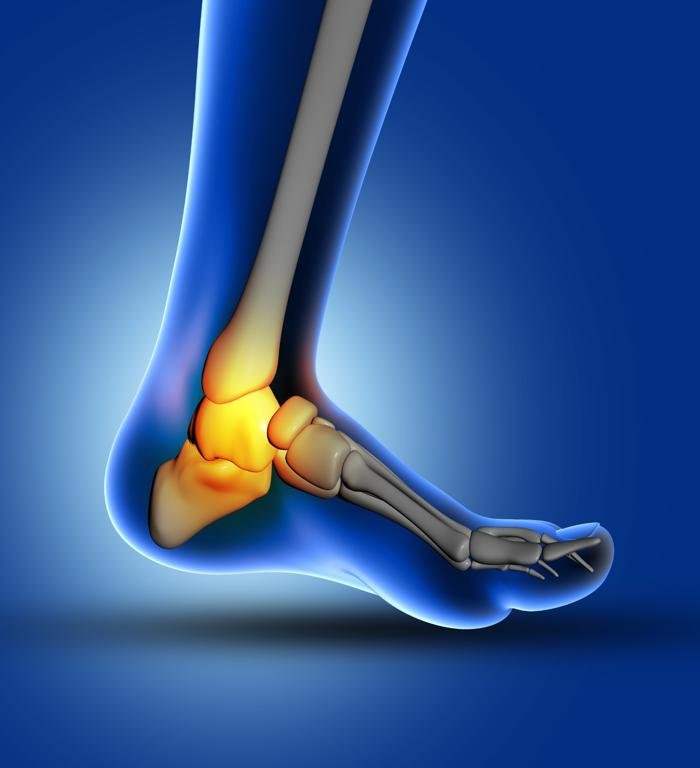
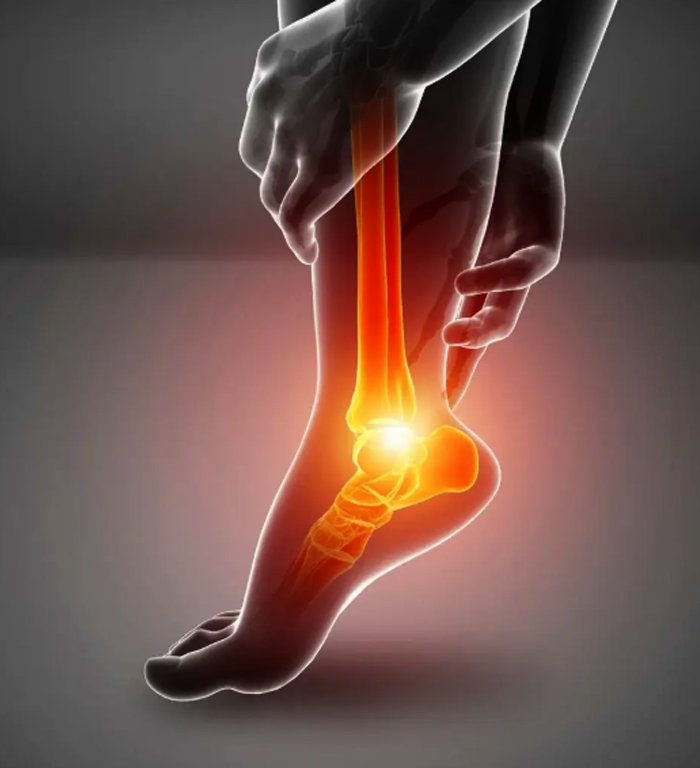
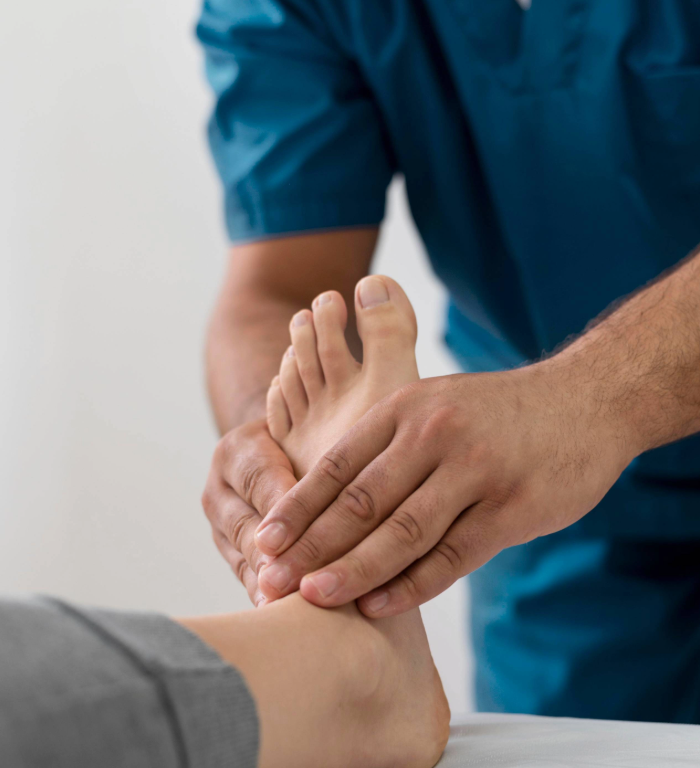
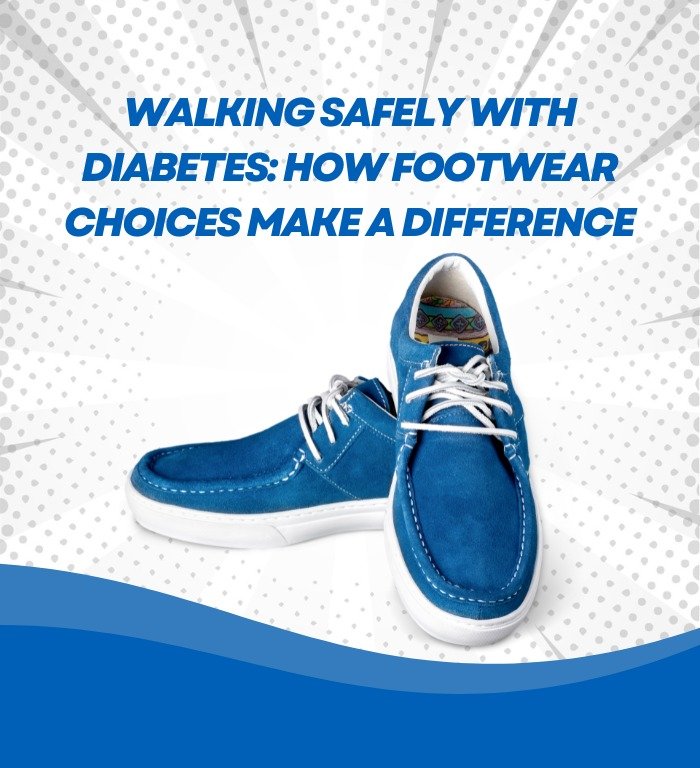
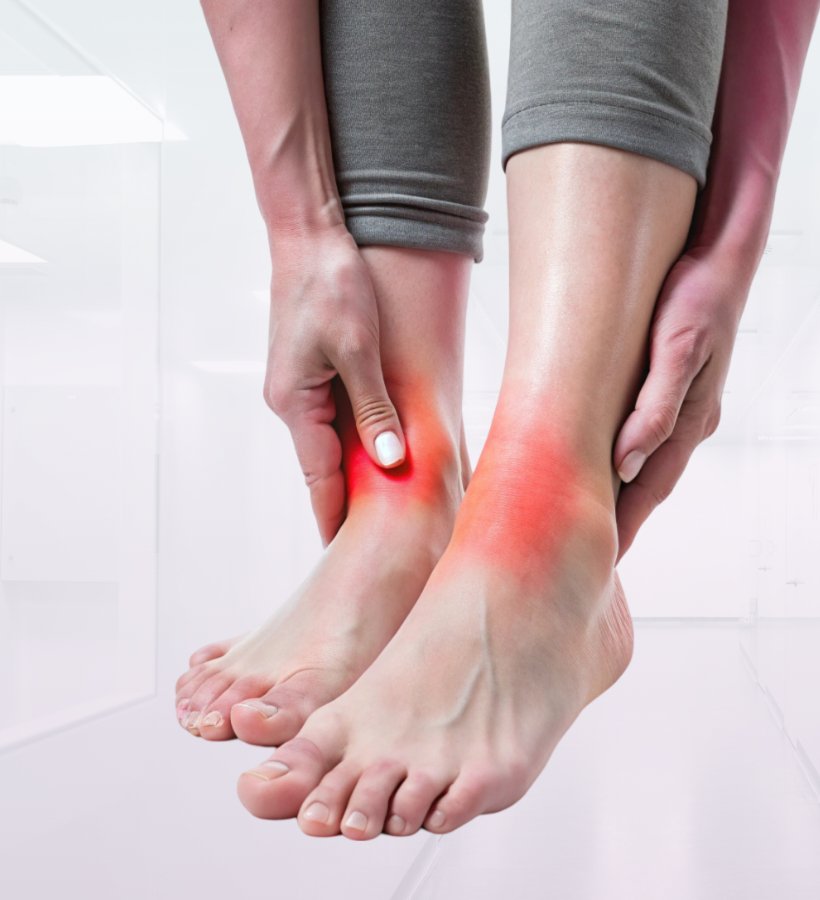
Foot sensitivity is a common concern among individuals with diabetes due to reduced circulation, nerve irritation, and frequent pressure discomfort. Choosing the correct diabetic footwear is crucial to prevent friction, ulcer formation, and long-term nerve-related complications. Two widely preferred foot support options are memory foam shoes and ortho sole footwear, each offering specific benefits.
Understanding Memory Foam Support
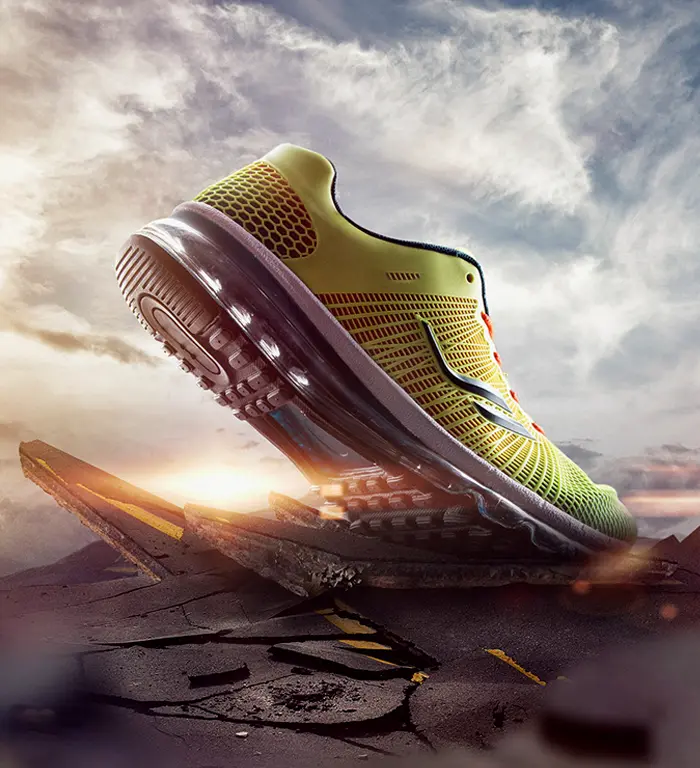
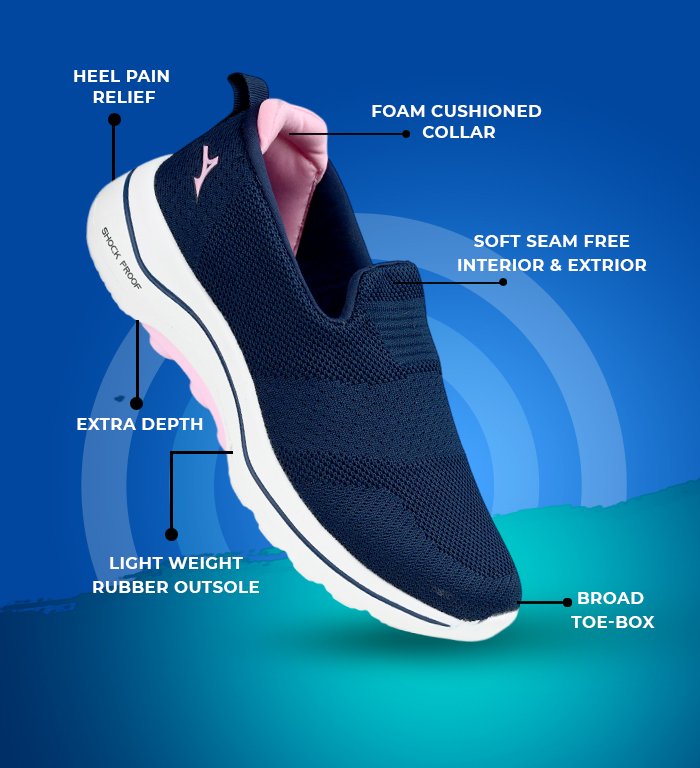
Memory foam shoes are designed to adapt to the natural foot shape by responding to heat and pressure. They help reduce localized pain points and cushion the foot during walking.
Key Advantages
-
Enhanced pressure relief for sensitive soles
-
Soft cushioning suitable for mild diabetic discomfort
-
Even body weight distribution to reduce heel load
Considerations
While memory foam offers excellent comfort, it may not always provide enough arch support or structural alignment for patients with severe neuropathy, swelling, or deformities. Excessive softness can sometimes increase instability during long walks.
Understanding Ortho Sole Support
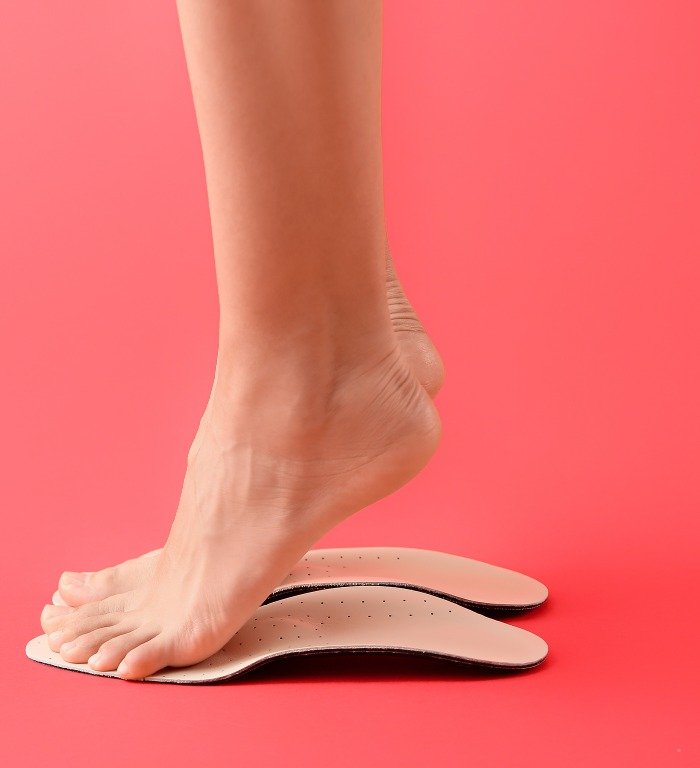
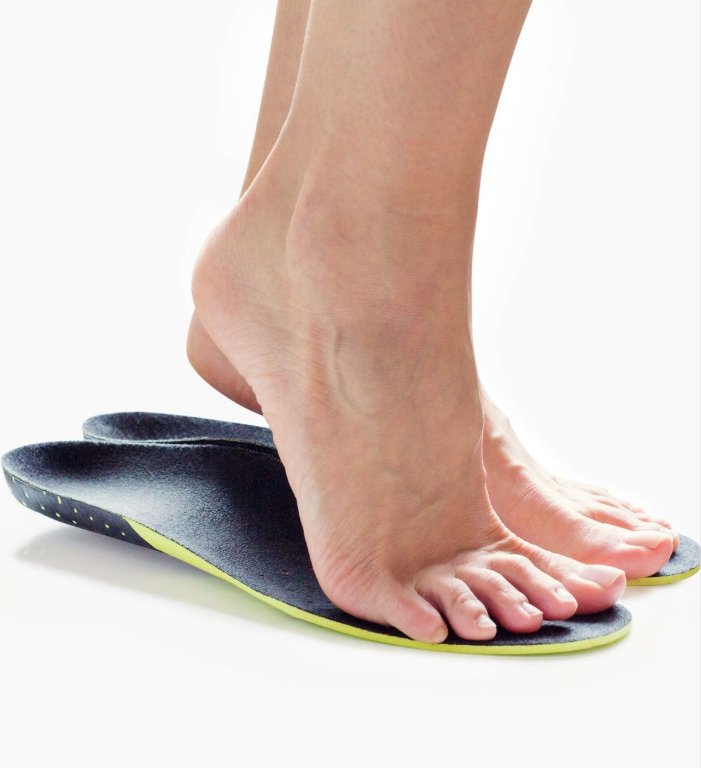
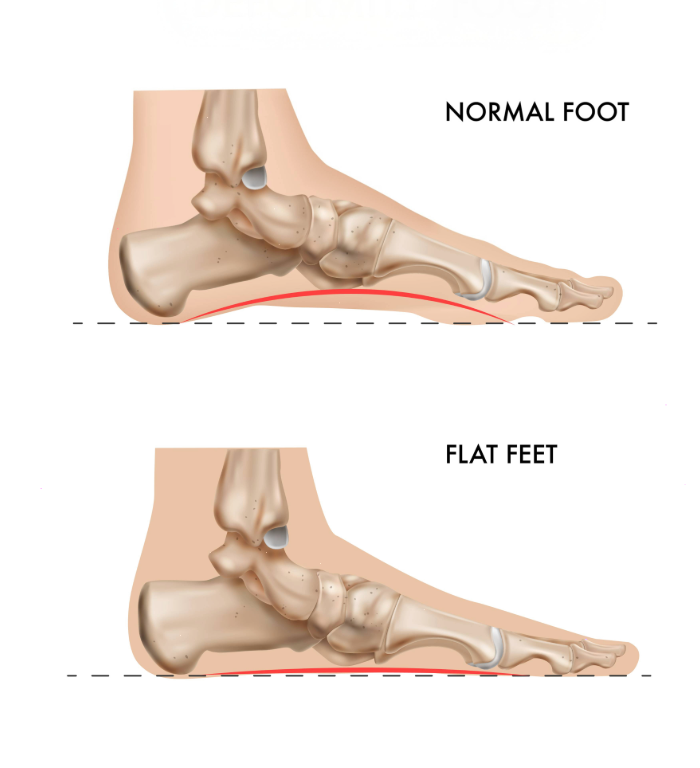
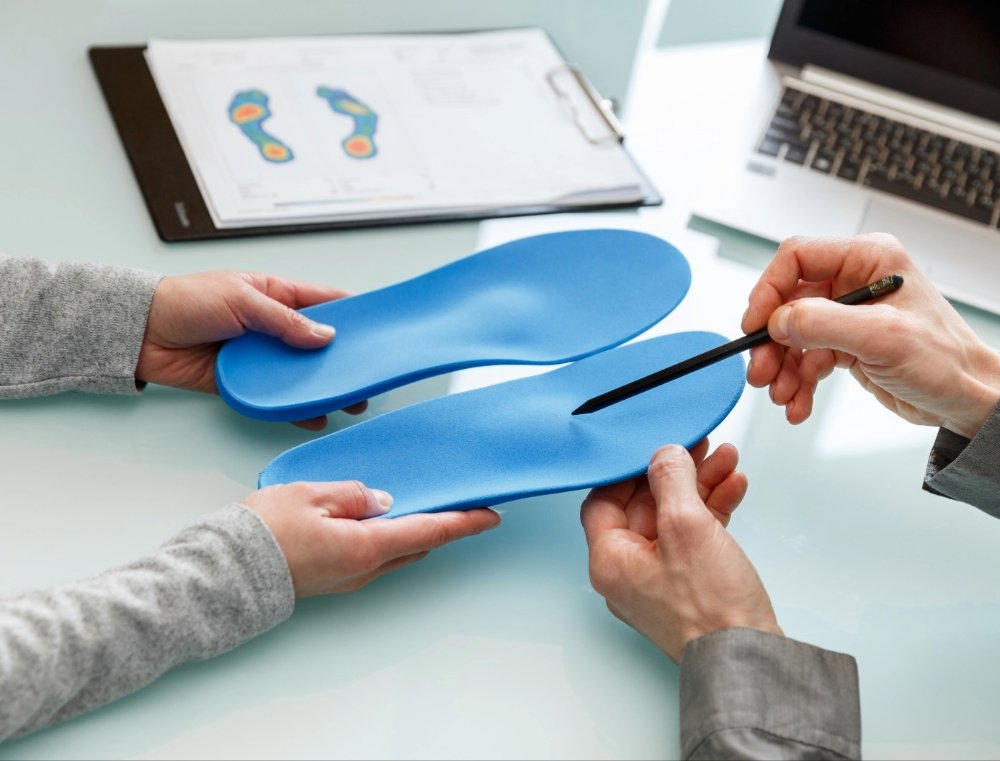
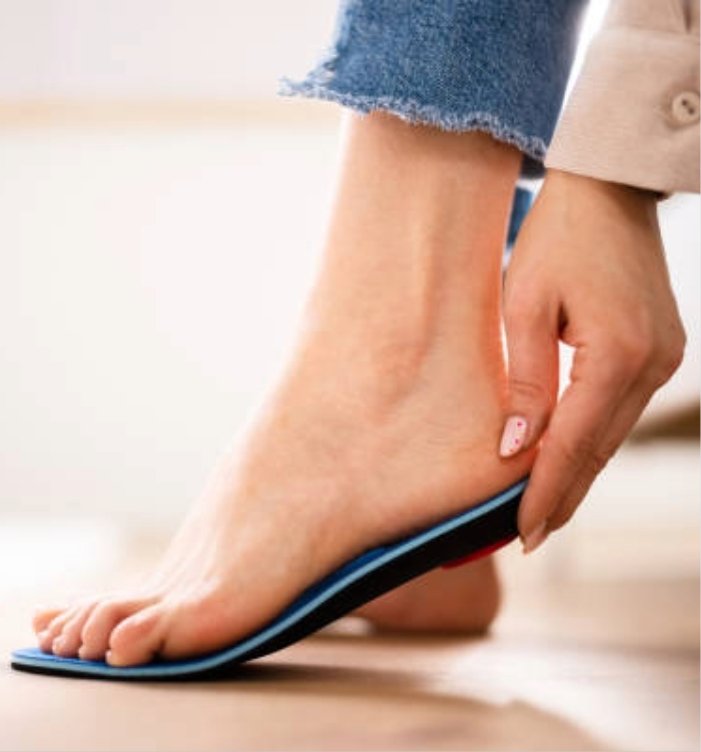
Ortho sole shoes are built with podiatric alignment features targeting foot structure, arch height, and motion control. They go beyond cushioning to offer medical-grade support.
Key Advantages
-
Superior arch support for diabetics
-
Heel stability and improved foot positioning
-
Reduced friction, making them ideal for diabetic foot ulcers and neuropathic conditions
-
Motion assistance for gait imbalance
Considerations
Ortho soles are designed primarily for corrective and preventive comfort, making them the preferred choice for advanced diabetic symptoms such as recurring ulcers or burning feet.
Which Option Should Diabetics Choose?
-
Choose memory foam shoes if the priority is soft cushioning, minimal pain, and daily light usage.
-
Choose ortho sole shoes if diagnosed with neuropathy, chronic swelling, plantar pain, or continuous diabetic ulcers.
Consistent wear of the correct diabetic shoe support not only enhances comfort but also prevents pressure complications and improves mobility safety.
FAQs
1. Are memory foam shoes safe for all diabetics?
They are suitable for mild pain and general walking but may not provide adequate orthopedic support for severe diabetic foot conditions.
2. Can ortho soles prevent ulcer recurrence?
Yes. Their structured design reduces friction and offers controlled diabetic foot support, lowering ulcer development risk.
3. Which is better for neuropathy?
Ortho sole footwear is recommended due to reinforced support, pressure protection, and heel stabilization.
4. Do diabetics need custom insoles?
Individuals with advanced deformity, frequent swelling, or alignment issues may require custom orthotic insoles for precise correction.