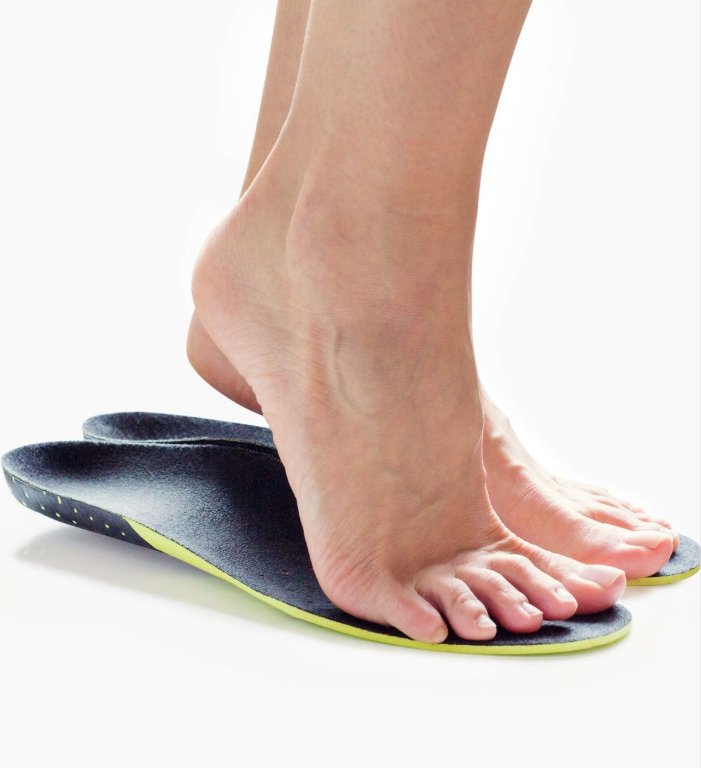
Role of Insole in Diabetic and Orthopedic Footwear
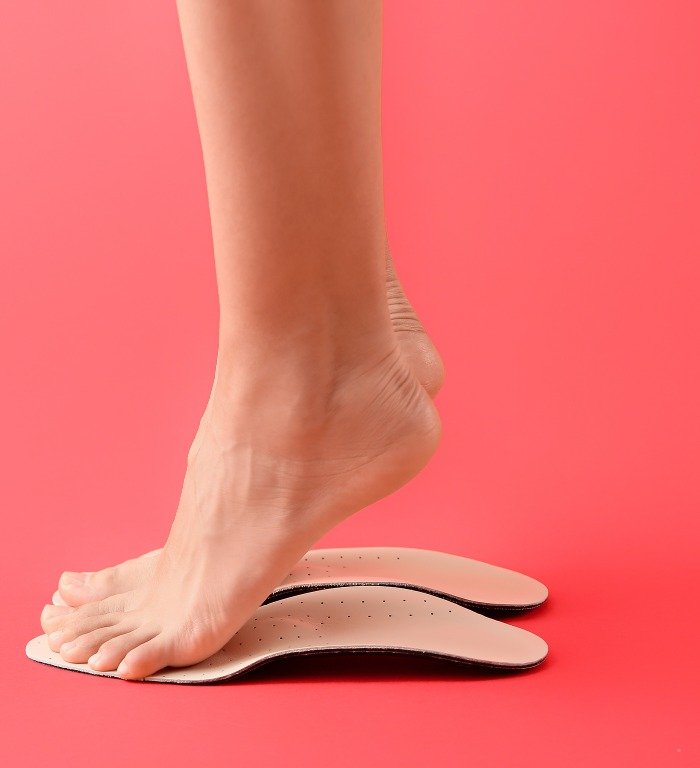
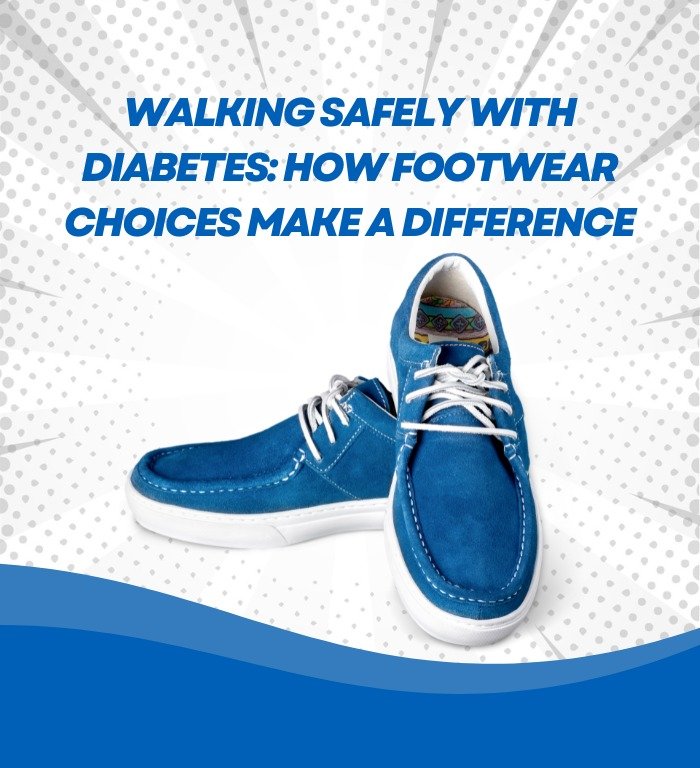
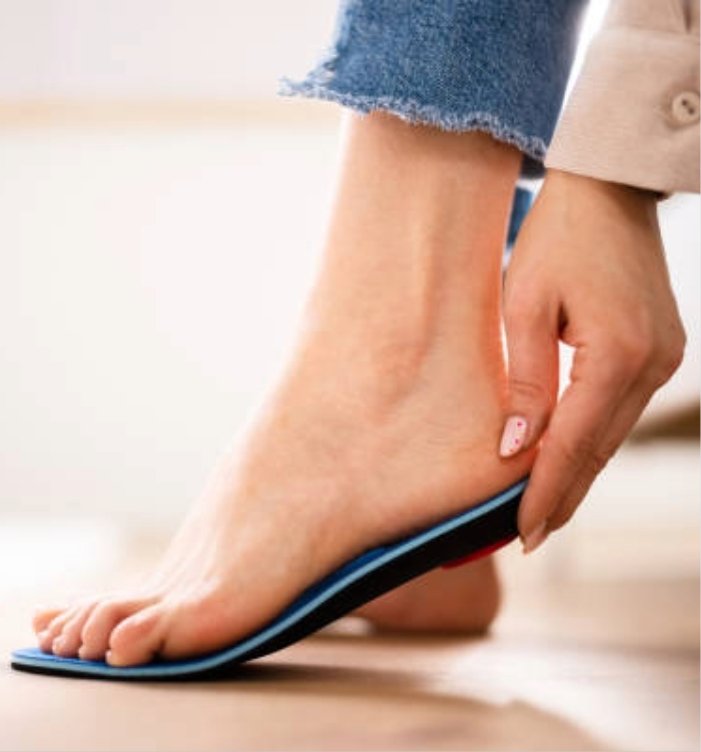
Foot health is extremely important for people with diabetes or orthopedic problems. One of the easiest and most effective ways to protect your feet, reduce pain, and walk comfortably is by using orthopedic inserts diabetic orthopedic shoes. These orthopedic inserts support your feet, prevent pressure build-up, and reduce the chances of injuries or long-term complications found in diabetic orthopedic shoes.
Why Inserts Matter
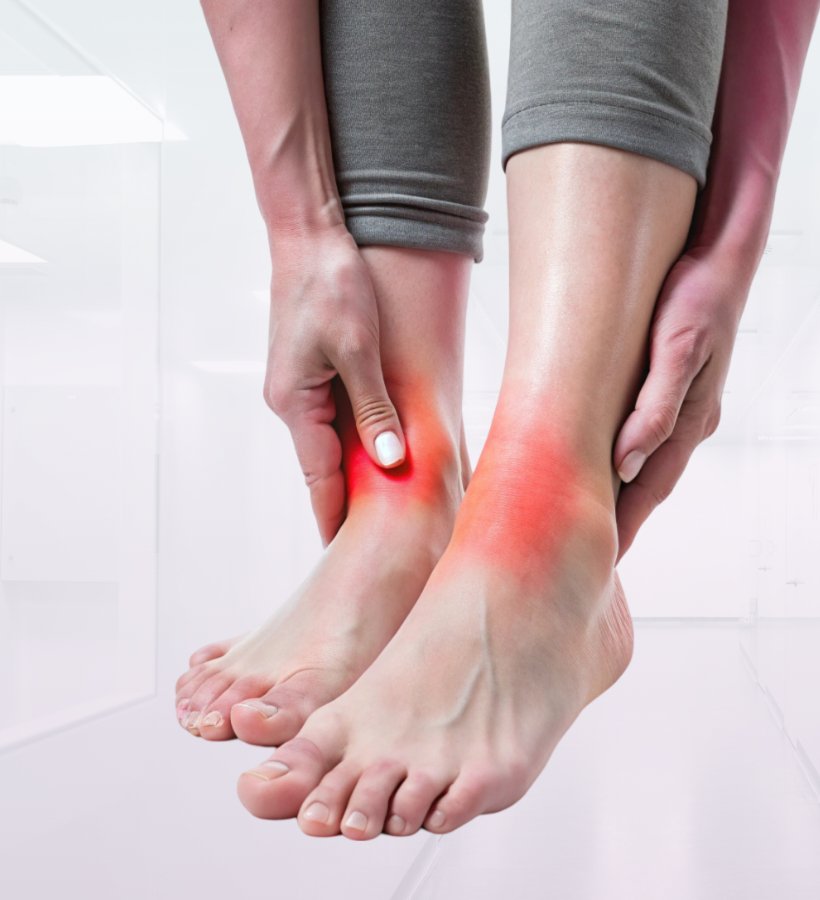
Diabetic and orthopedic feet are sensitive due to reduced blood circulation, nerve damage, swelling, and chronic pain. Inserts help by:
-
Reducing pressure on high-risk areas
-
Minimizing friction and skin irritation
-
Improving posture and balance
-
Preventing calluses, corns, and wounds
For many patients, inserts are essential for daily comfort and safety.
Benefits of Diabetic Shoe Inserts
Many people don’t realize the full diabetic shoe inserts benefits, but they make a huge difference in foot care:
-
Protect heels, toes, and forefoot from pressure
-
Prevent blisters and skin breakdown
-
Improve stability, especially for people with neuropathy
-
Provide soft, all-day cushioning
They significantly reduce the risk of ulcers and infections
Custom Insoles for Diabetics
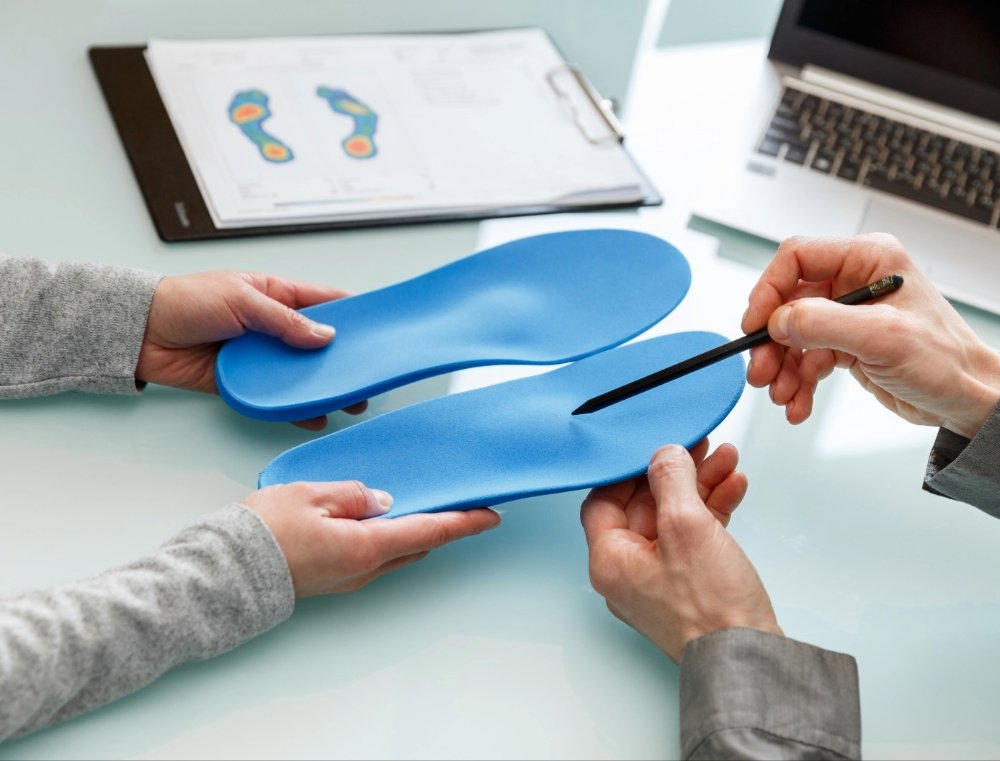
Custom insoles diabetic patients depend on offer more protection than regular insoles. They are crafted based on your foot shape, pressure points, and walking pattern.
Benefits include:
-
Perfect fit and personalized support
-
Better pressure distribution
-
Improved foot alignment
-
Reduced risk of ulcers
-
Long-lasting durability
For moderate -to high-risk diabetic patients, custom insoles are the safest option.
How Inserts Support Orthopedic Issues
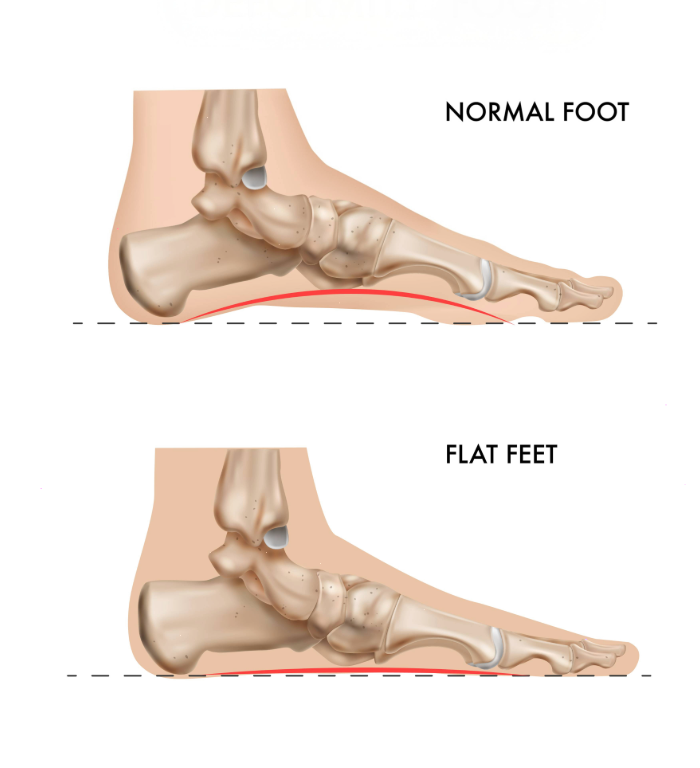
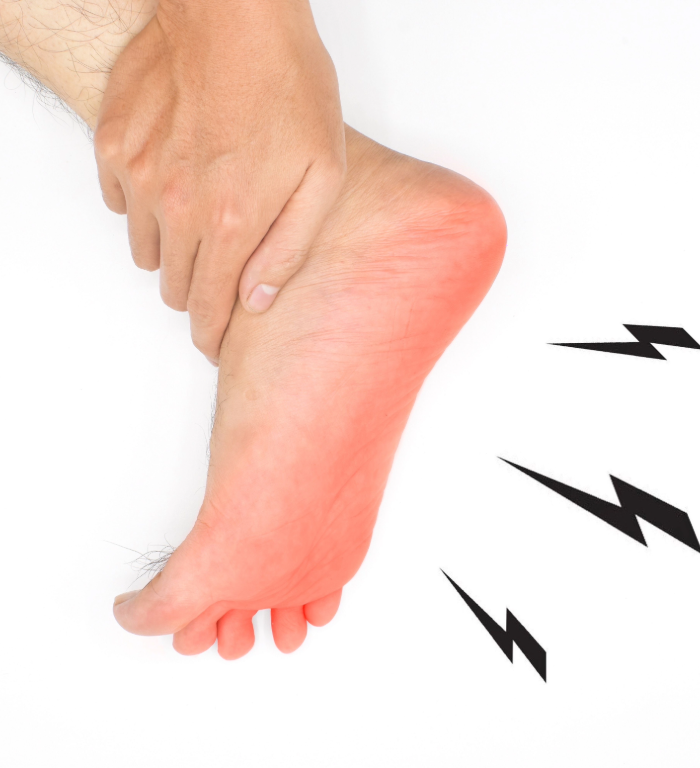
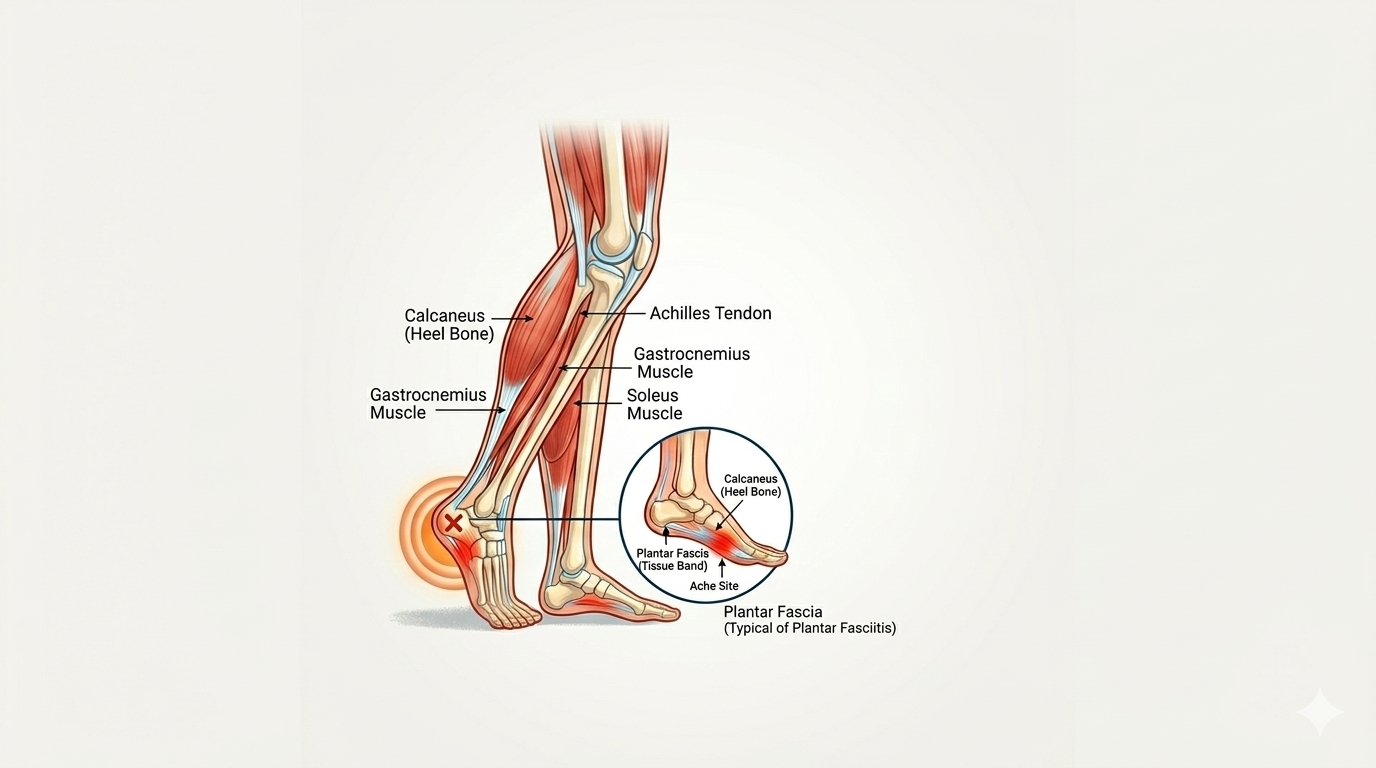
People dealing with flat feet, plantar fasciitis, heel pain, arthritis, or knee pain benefit from inserts orthopedic diabetic footwear. These inserts help by:
-
Correcting foot alignment
-
Absorbing shock
-
Reducing stress on joints
-
Supporting foot arches
They help you move with less pain and better stability.
Types of Orthotic Inserts
Different inserts offer different benefits:
-
Memory foam insoles — soft and pressure-relieving
-
Gel-based insoles — great for shock absorption
-
EVA foam inserts — lightweight and durable
-
Custom-made orthotics — designed for medical needs
-
Arch-support insoles — help correct flat feet
Choosing the Right Inserts
Here’s what to keep in mind:
-
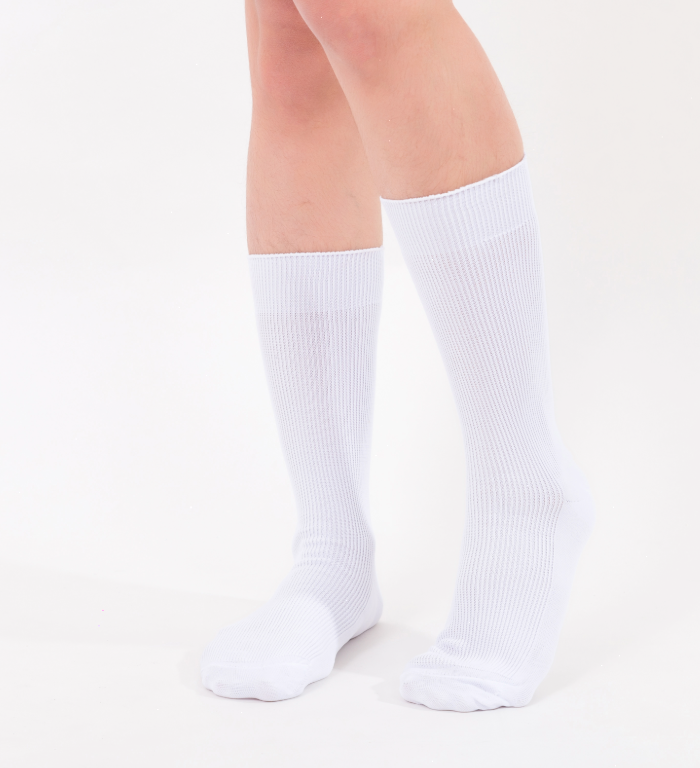
Choose seamless, soft inserts for diabetics
-
Pick strong arch support for orthopedic issues
-
Prefer breathable materials
-
Ensure inserts are removable
-
Replace them every 6–12 months or when cushioning wears out
Conclusion
Whether you need support for diabetes or an orthopedic condition, using the right inserts can protect your feet and improve your daily comfort. Understanding orthotic inserts diabetic orthopedic shoes, the diabetic shoe inserts benefits, and the importance of custom insoles diabetic patients will help you make the right choice. Inserts are a simple investment that provides long-term foot health, stability, and comfort—especially when included in inserts orthopedic diabetic footwear.
FAQs
1. Are orthopaedic inserts necessary for diabetic footwear?
Yes. Inserts help reduce pressure, prevent friction, and lower the risk of ulcers—making them essential for diabetics.
2. How often should I replace diabetic or orthopedic inserts?
Most inserts need replacement every 6–12 months, depending on usage and material quality.
3. What is the difference between regular insoles and custom insoles?
Custom insoles diabetic patients use are made based on your foot shape and medical requirements. They offer better protection and support.
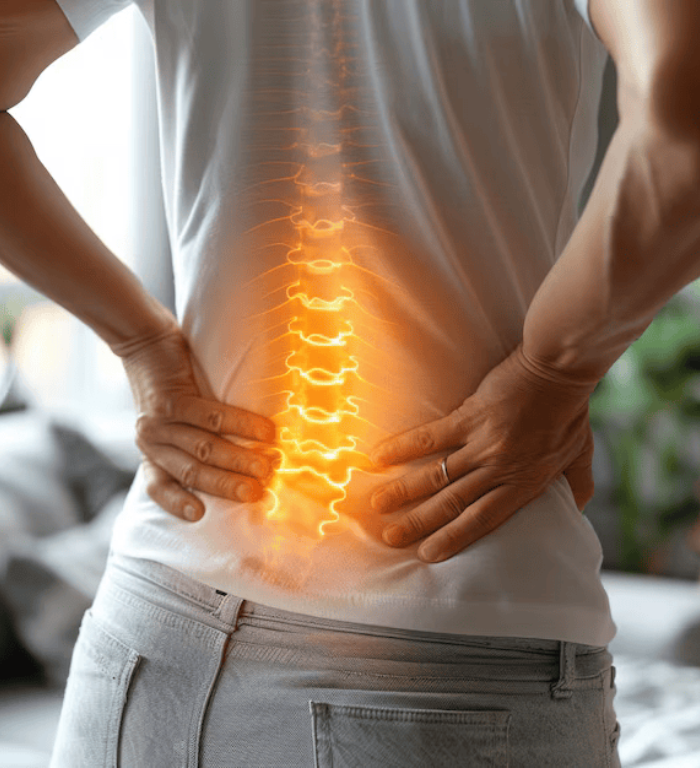
4. Can orthotic inserts help with knee or back pain?
Yes. By correcting foot alignment, inserts can reduce strain on the knees, hips, and lower back.
5. Are these inserts suitable for everyday use?
Absolutely. High-quality inserts are designed for daily wear and help you walk comfortably all day.
6. Can orthopedic inserts and diabetic inserts be the same?
Yes. Inserts orthopedic diabetic footwear are designed to support posture while protecting sensitive diabetic feet.