Flat Foot Support Shoes | Best Arch Support & Orthopedic Footwear Guide
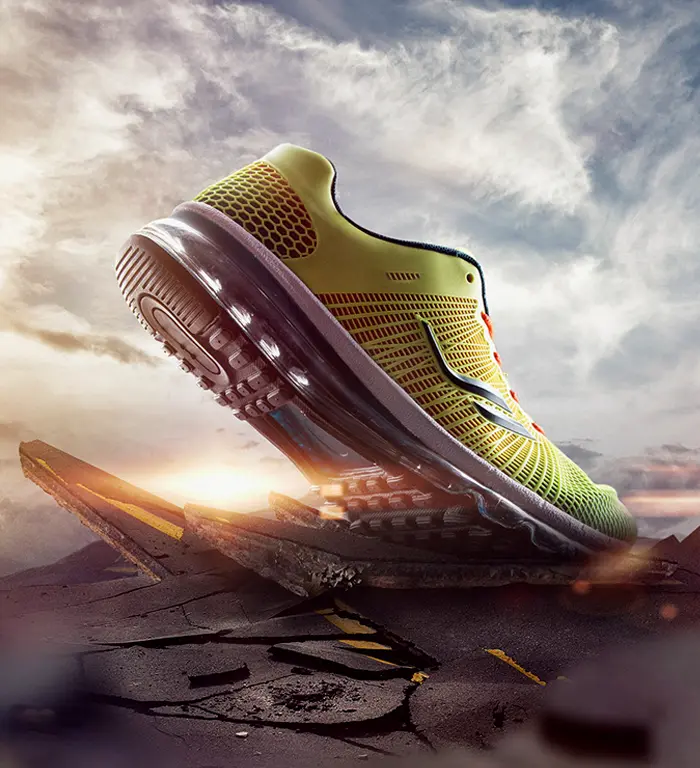
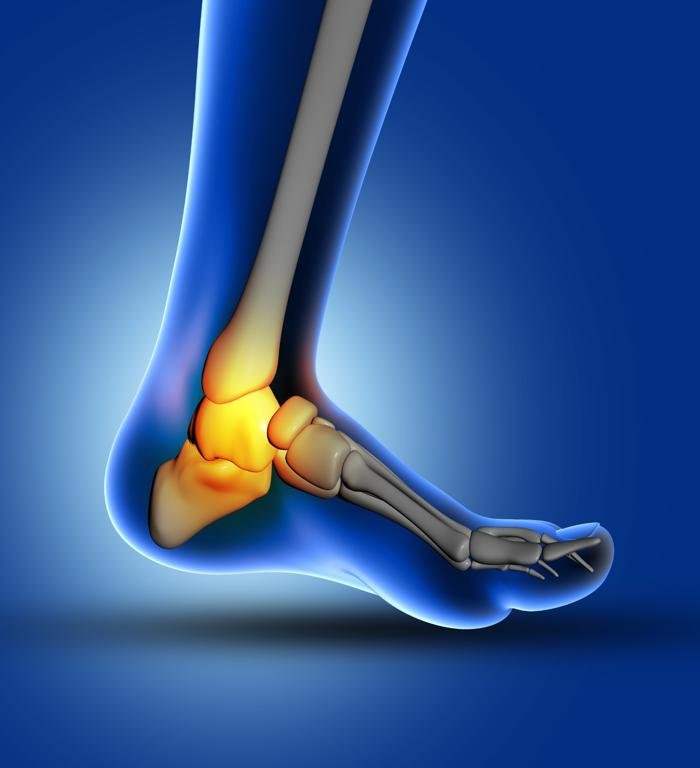
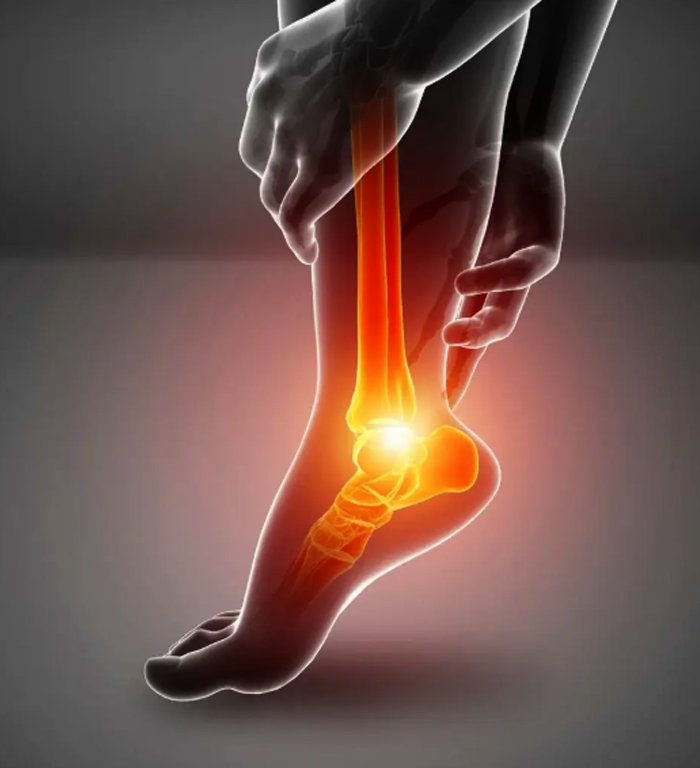
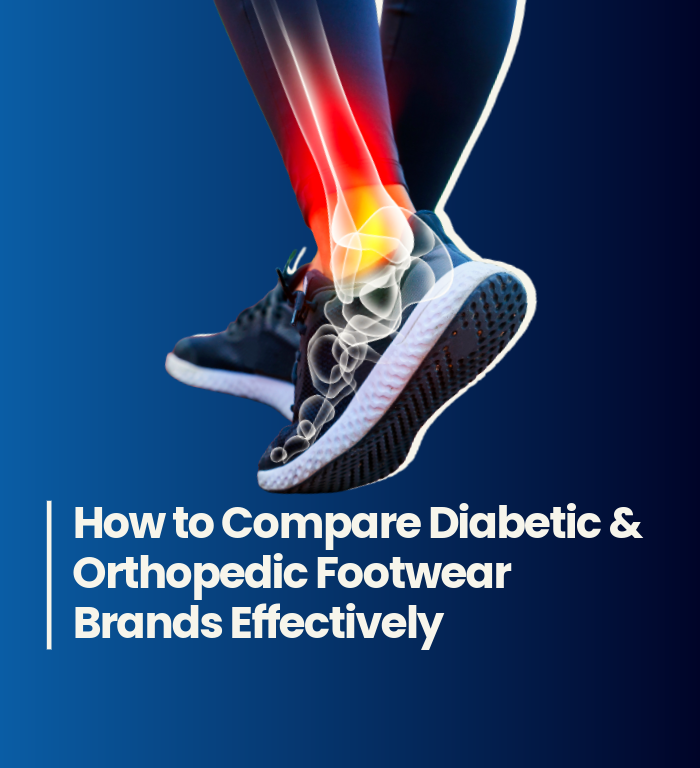
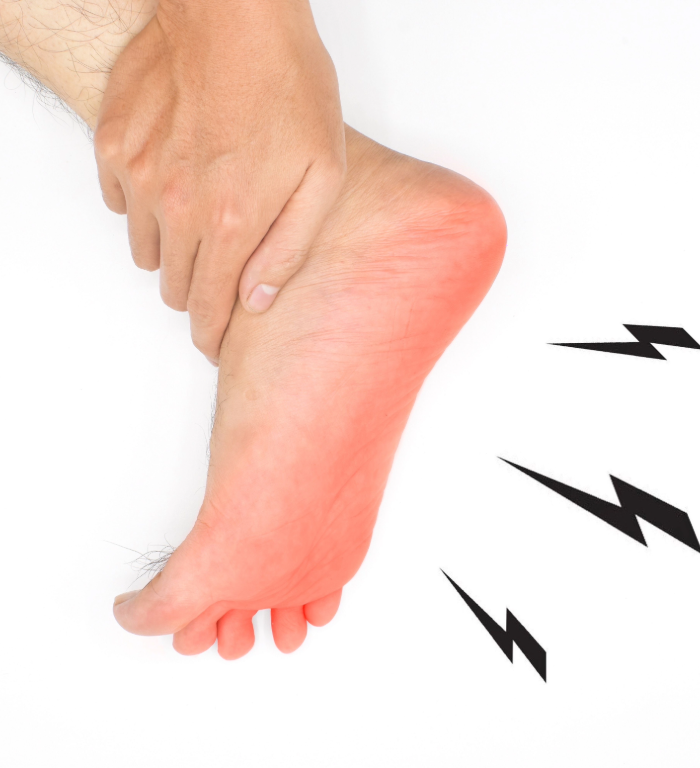
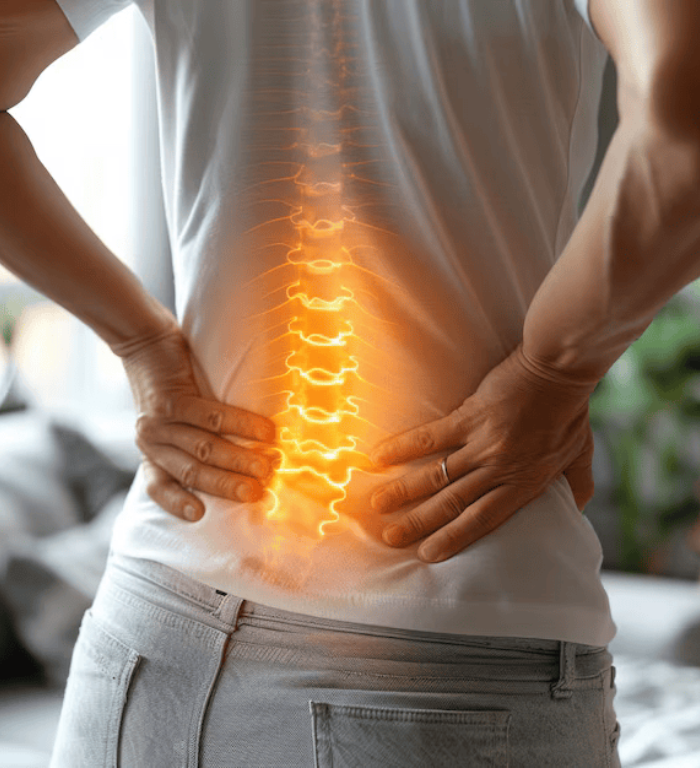
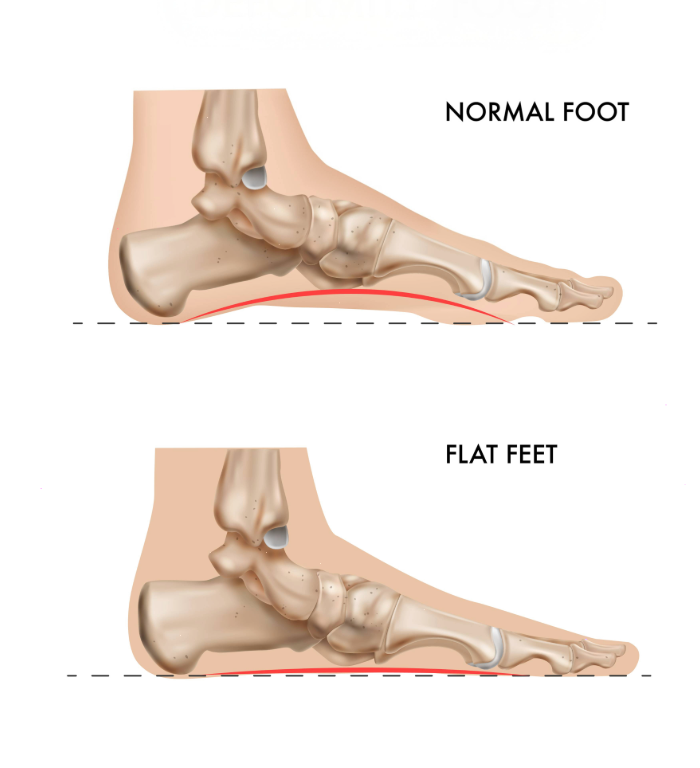
Flat feet, also known as fallen arches, occur when the arch collapses and the entire sole touches the ground. Without correct flat foot support shoes, individuals may experience knee pain, ankle instability, lower back strain, and overall discomfort. Choosing the right arch support footwear is essential to maintain alignment and reduce pressure on the heel and arch.
What to Look for in Flat Foot Support Shoes
1. Structured Arch Support
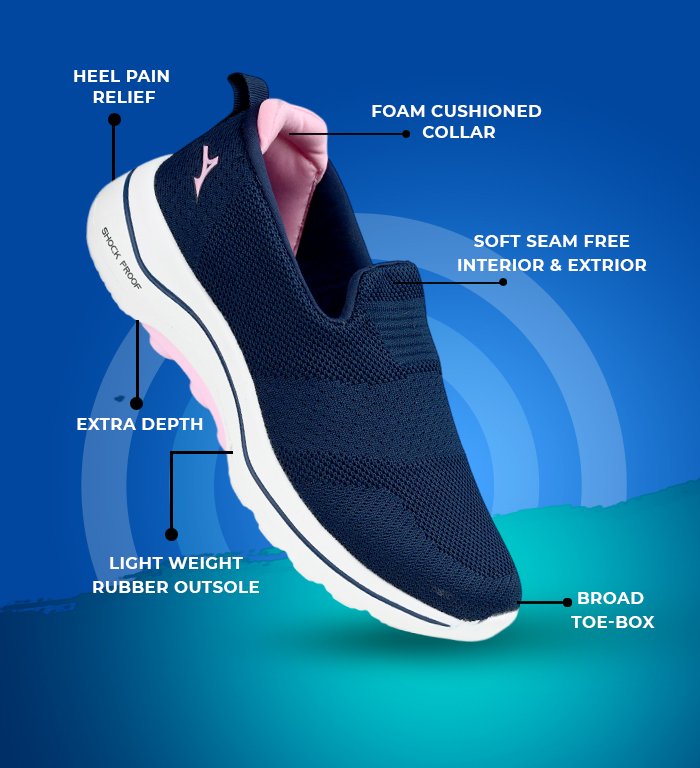
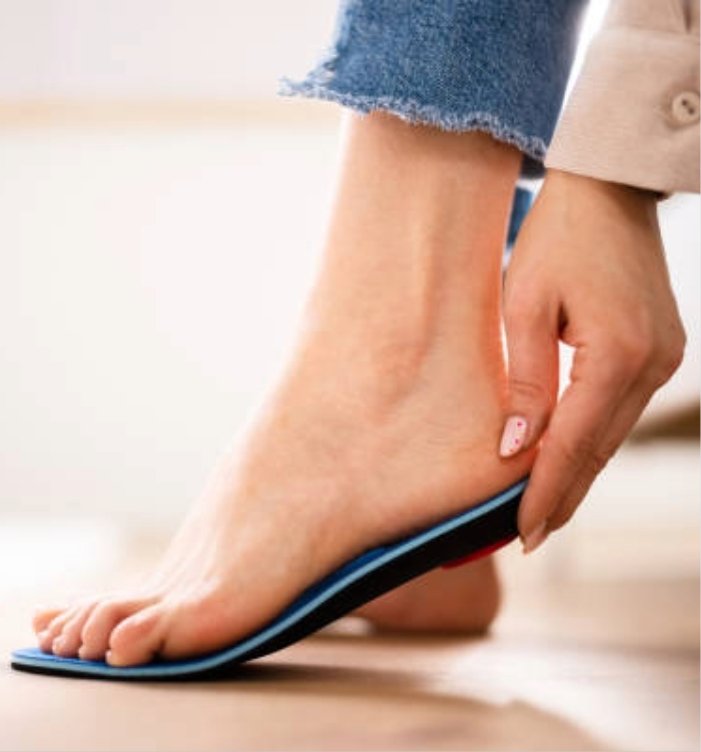
Proper arch support ensures weight distribution and prevents inward foot collapse. The support should be stable, not overly rigid, to allow natural gait.
2. Deep Heel Cup
A deep heel support structure stabilises the heel and reduces excessive pronation, improving ankle alignment.
3. Shock Absorption Cushioning
Individuals with flat feet require orthopedic shoes with adequate cushioning to reduce joint impact and protect knees and hips.
4. Wide Toe Room
A wide toe box prevents pressure build-up and allows natural toe spread, improving movement comfort in flat foot shoes.
5. Durable Lightweight Material
Supportive but breathable materials prevent heat accumulation while maintaining structure for flat feet support.
6. Motion-Control Stability
Overpronation is common in flat feet. Motion control shoes help adjust gait and reduce ankle and knee misalignment.
Why Proper Fit Matters
Unsupportive shoes lead to:
-
worsening overpronation
-
increased heel and ankle pain
-
strain on knees and hips
-
fatigue during walking
-
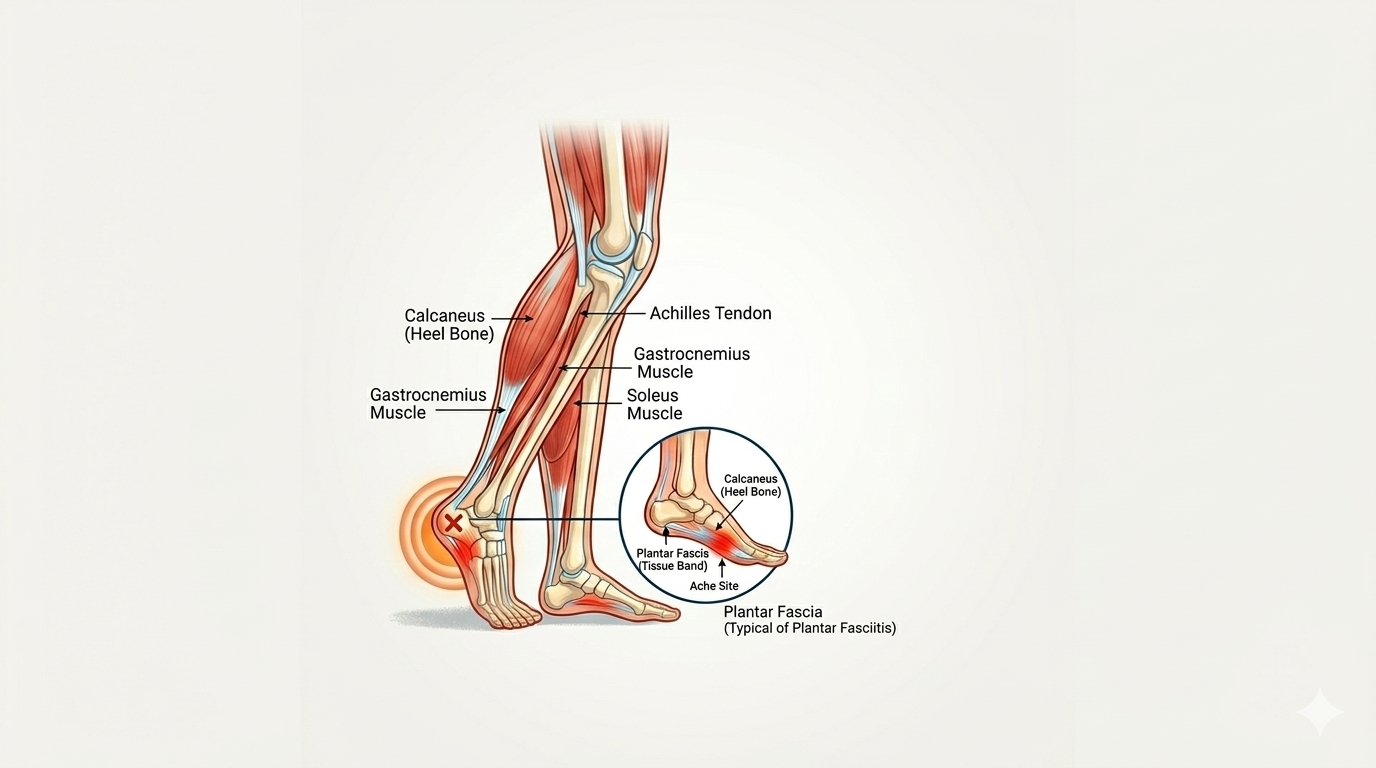
plantar fascia irritation
Correct flat feet support improves posture, stability, and long-term comfort.
Maintenance Guidelines
-
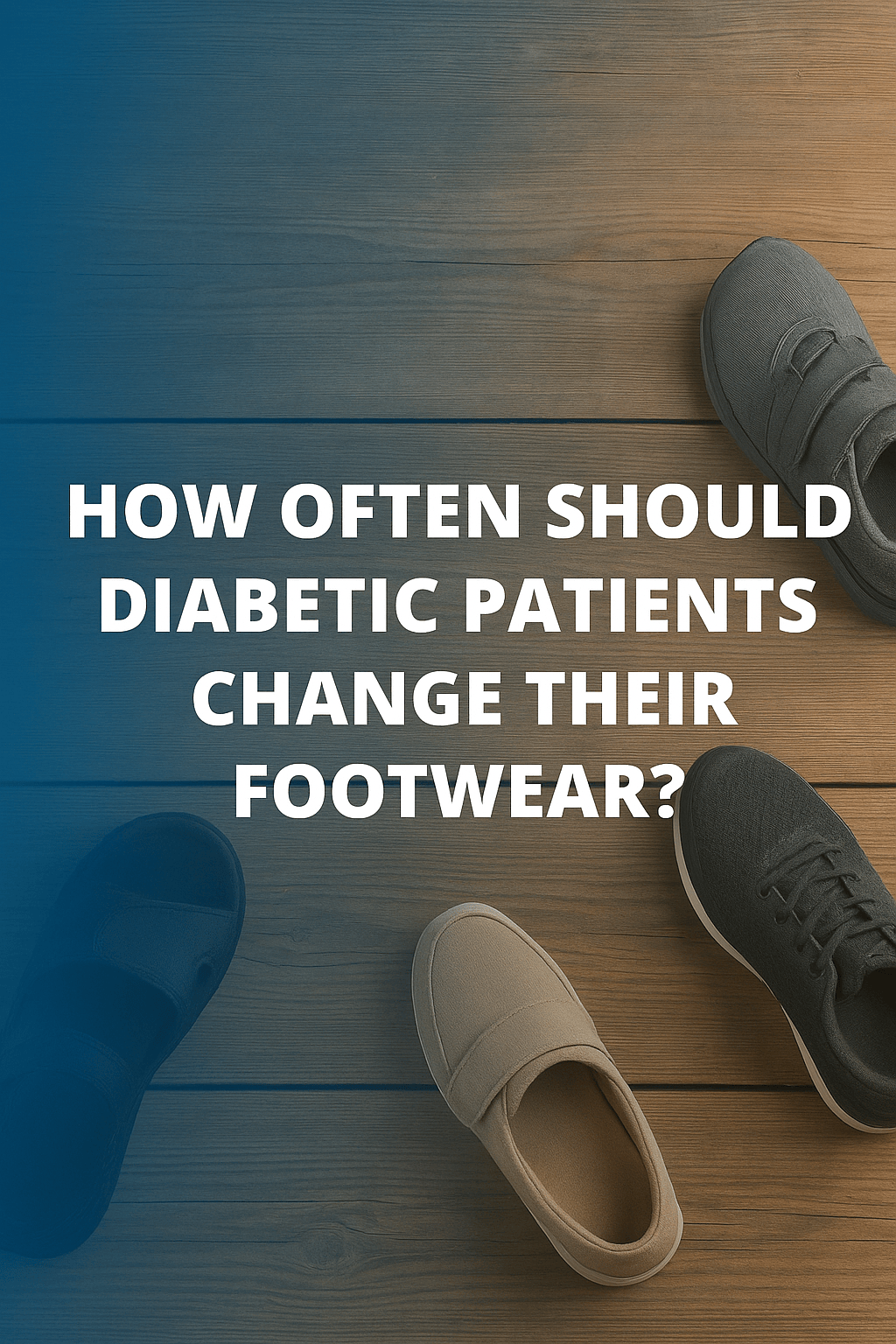
Replace flat foot support shoes every 8–12 months based on wear
-
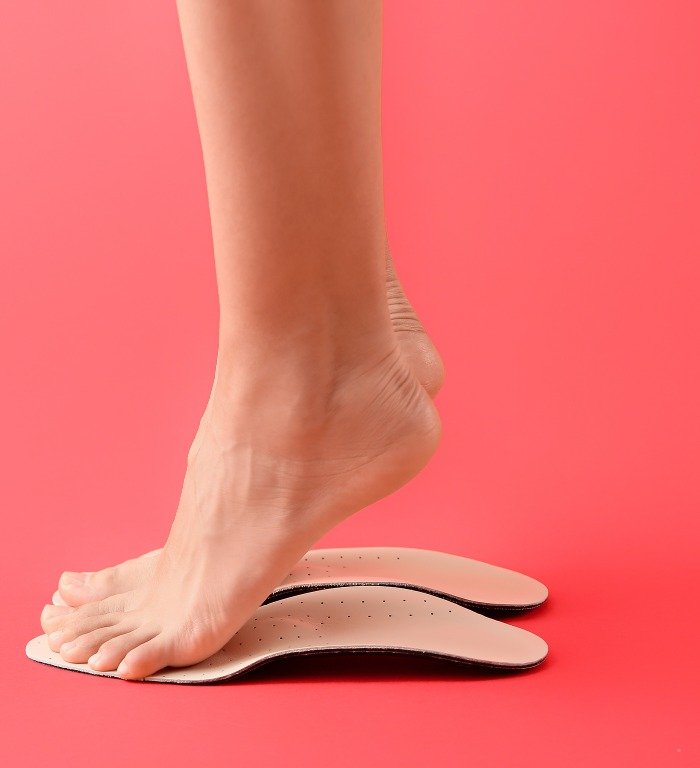
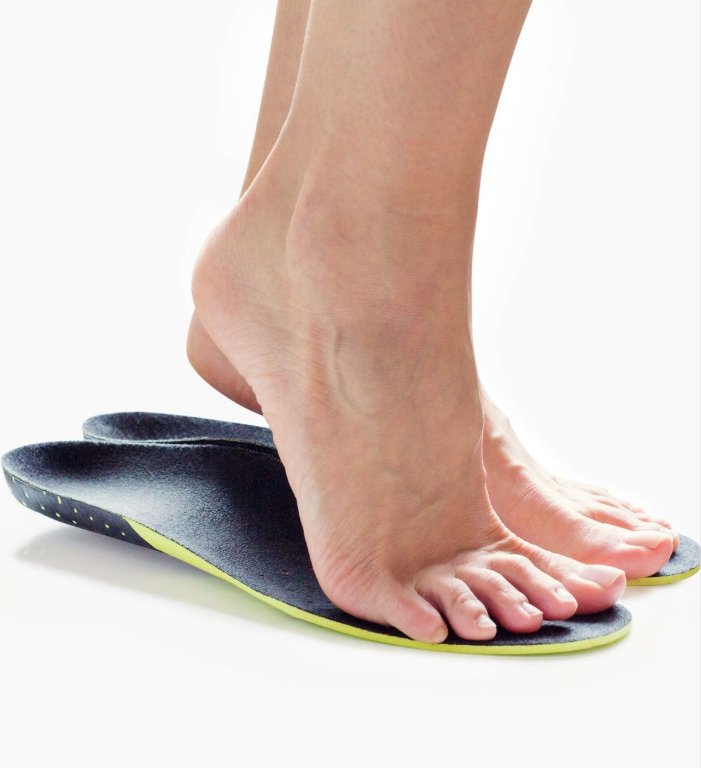
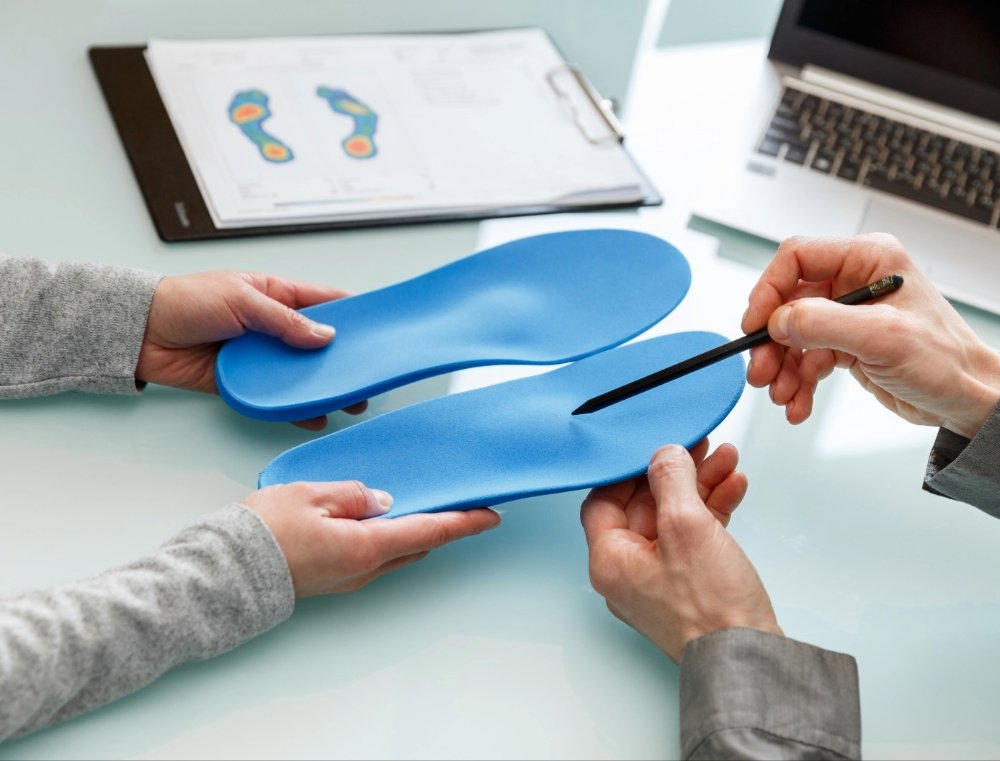
Use orthotic insoles if recommended
-
Avoid fully flexible footwear with no arch support
-
Regular cleaning ensures durability and hygiene
FAQs
1. Can flat feet be corrected permanently?
In adults, flat feet usually cannot be reversed but symptoms can be managed with flat foot shoes and strengthening therapy.
2. Do I need orthotics with supportive shoes?
Severe overpronation or pain may require orthotic arch insoles.
3. Is barefoot walking recommended?
Extended barefoot walking may worsen pronation. Structured arch support footwear is advised for daily use.
4. Are cushioned shoes alone enough?
Cushioning supports comfort, but true relief requires arch support, heel stability, and motion control features.