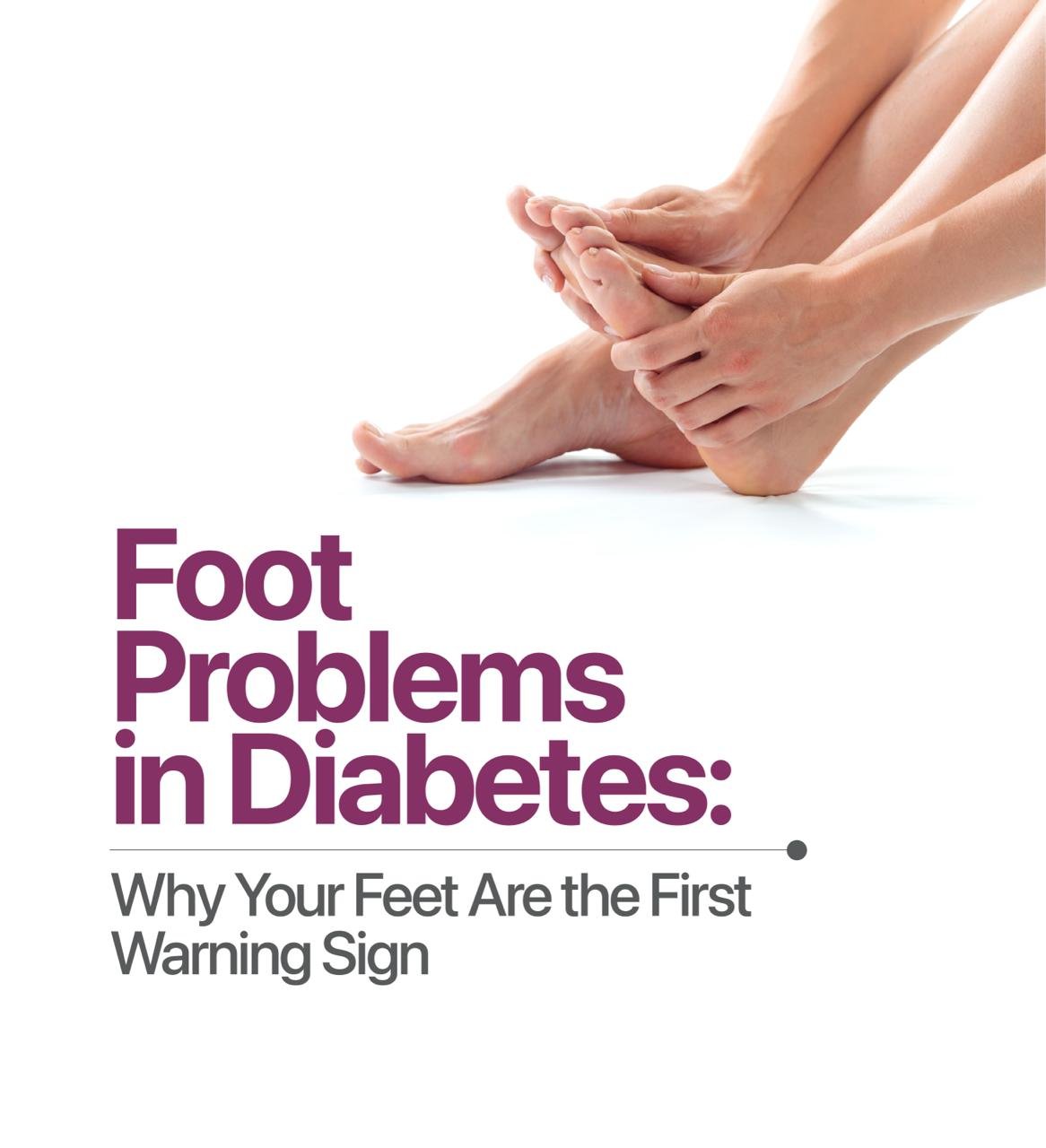
Foot Problems in Diabetes: Why Your Feet Are the First Warning Sign
For people living with diabetes, the feet are often the first place where warning signs appear. Early detection and proper care are critical — and using medically designed footwear from Orange Ortho care can significantly reduce the risk of serious complications.
What is Diabetic Foot?
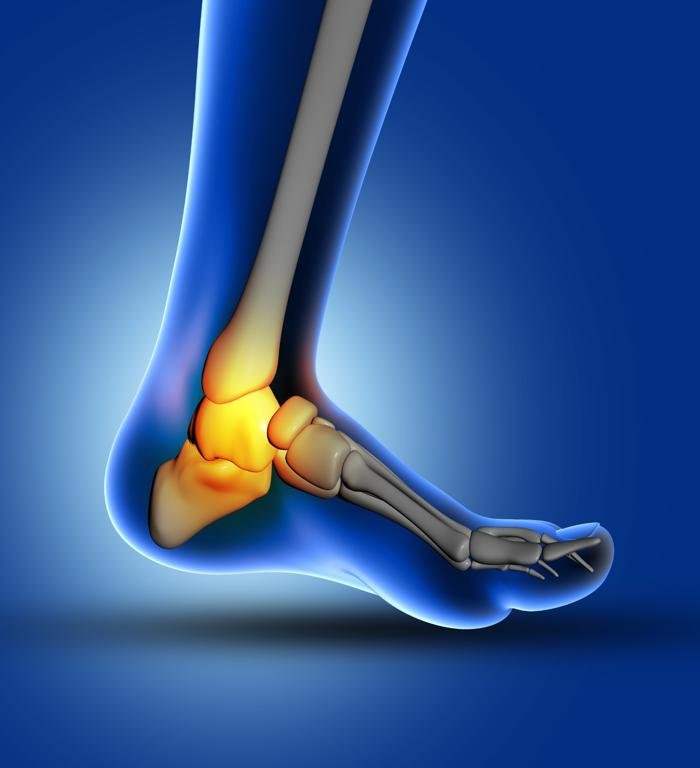
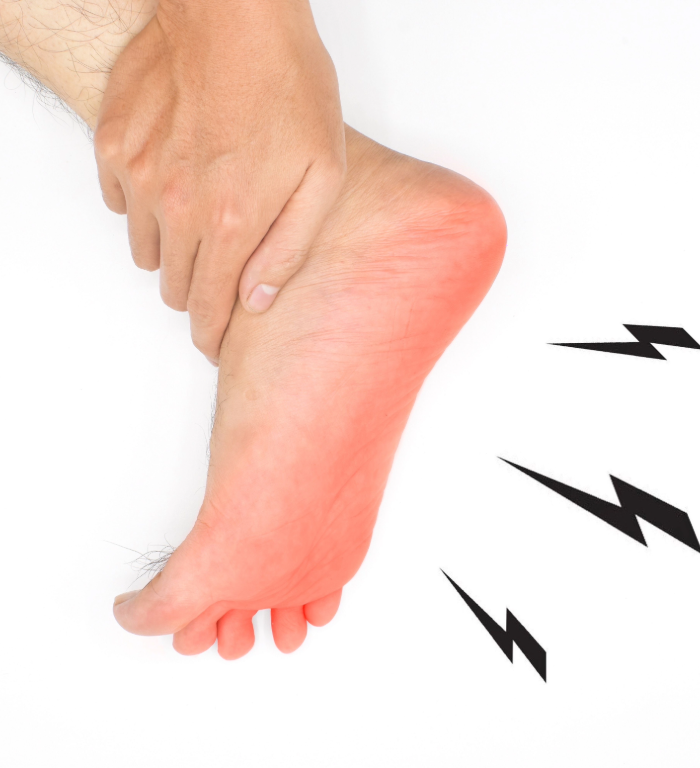
Diabetic foot is a complication caused by nerve damage and reduced blood circulation. Over time, high blood sugar can damage nerves (a condition known as diabetic neuropathy) and impair circulation, making it harder to feel pain or detect injuries. Minor wounds may go unnoticed and develop into infections or ulcers.
Top 7 Early Warning Signs of Diabetic Foot
Look out for these diabetic foot problem symptoms:
-
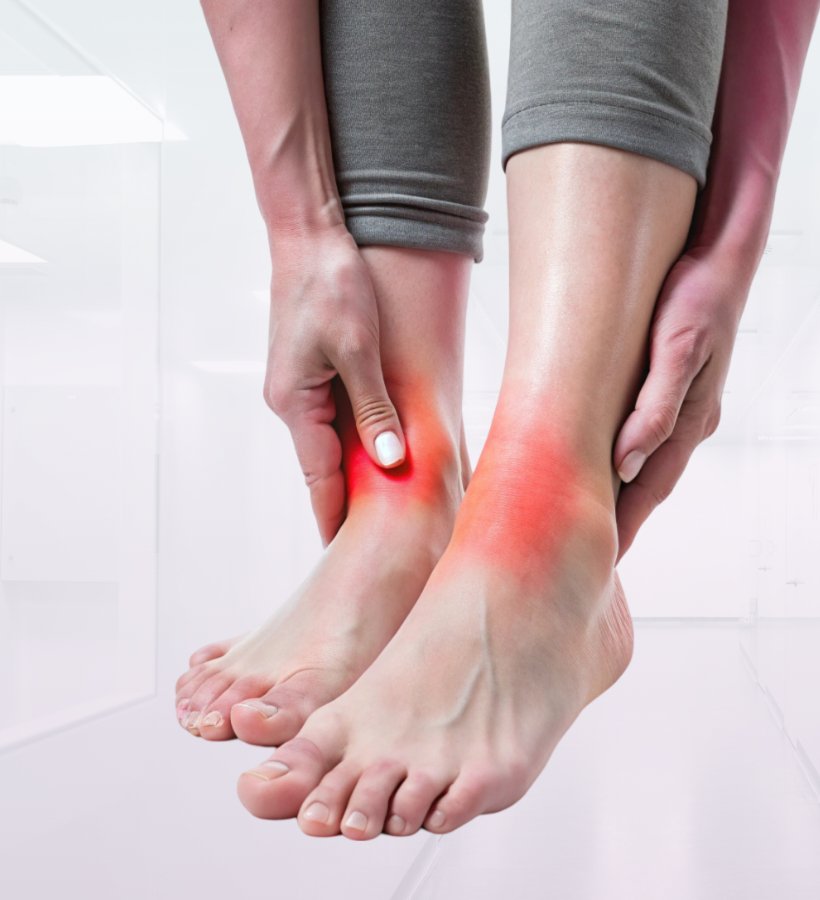
Numbness or tingling (classic neuropathy foot symptoms)
-
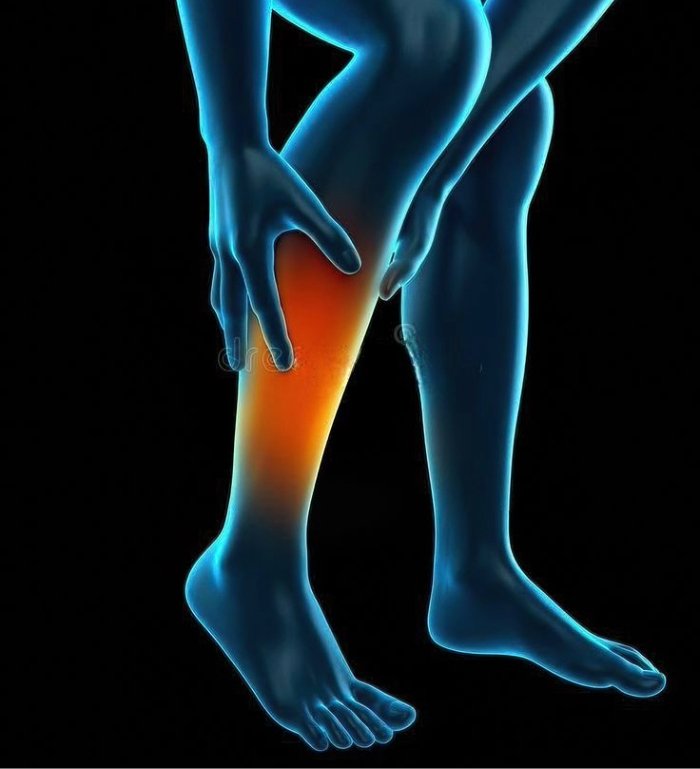
Burning or sharp nerve pain
-
Swelling of feet or ankles
-
Cuts or sores that heal slowly
-
Dry, cracked skin — especially on heels
-
Skin colour changes or temperature changes
-
Loss of sensation — inability to feel pressure, pain, or temperature
If you notice any of these, don’t ignore them; early care prevents complications.
Why Are the Feet Affected First?
There are two key reasons:
-
Nerve damage: Long-term high blood sugar damages nerves in the legs and feet, reducing sensation.
-
Poor circulation: Narrowed blood vessels limit blood flow to the feet, slowing healing.
Together, these conditions make small injuries harder to detect and slower to heal, increasing the risk of ulcers and infection.
When Should You See a Doctor?
Consult a specialist immediately if you notice:
-
A wound that doesn’t heal in 2–3 days
-
Persistent swelling or redness
-
Severe pain or sudden numbness
-
Blackened skin or foul-smelling wounds
Early intervention can prevent complications and, in severe cases, amputation.
How Proper Footwear Helps Prevent Complications
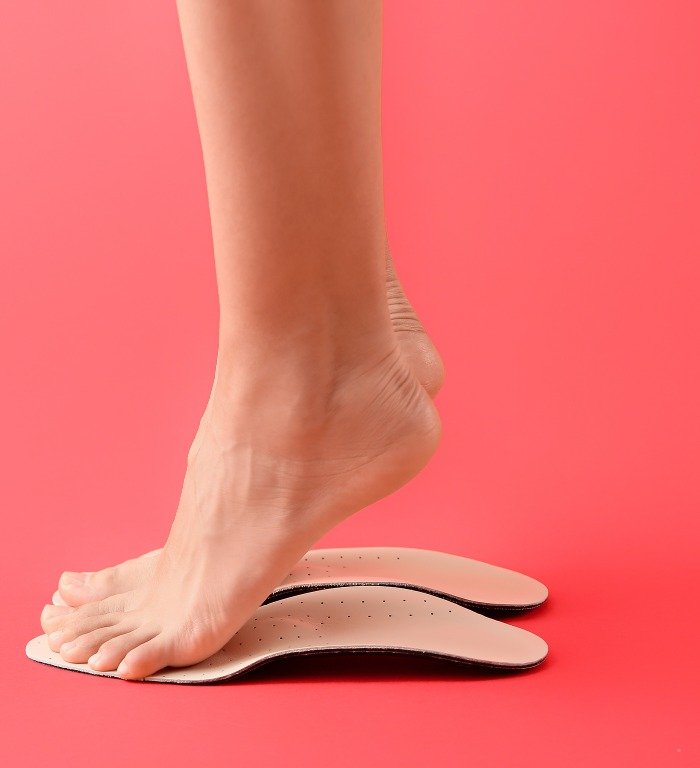
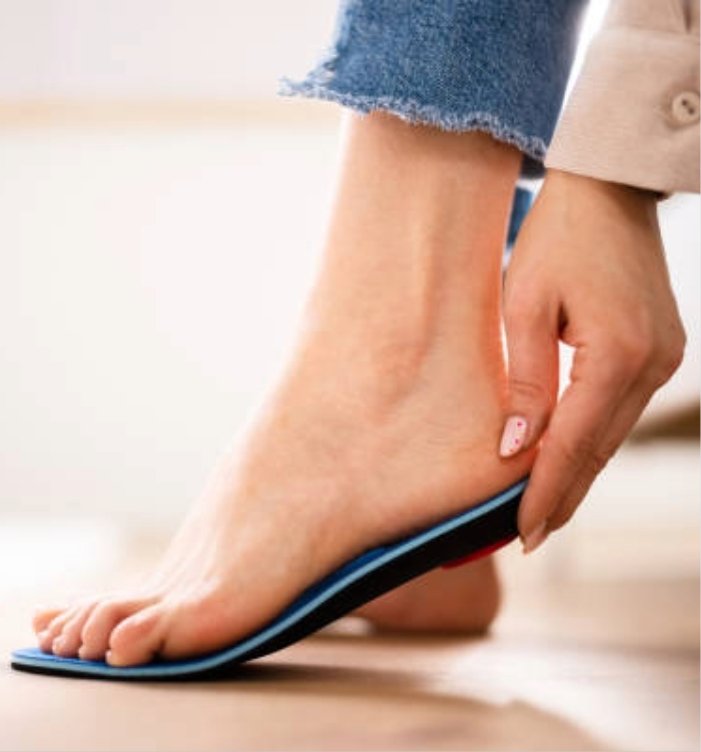
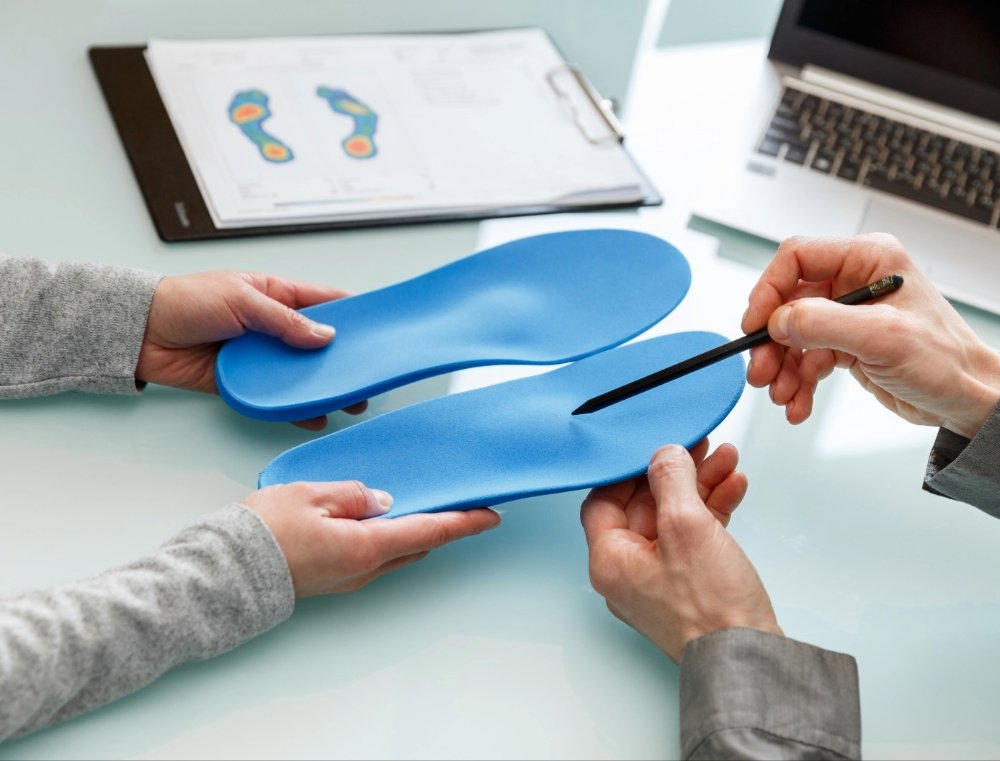
Proper footwear isn’t optional; it’s a medical necessity for people with diabetes.
Benefits of Diabetic Footwear
-
Reduces pressure points and friction
-
Protects sensitive skin
-
Prevents blisters, calluses, and ulcers
-
Supports proper walking posture
-
Minimizes risk of cuts and wounds
Avoid common mistakes: Footwear Mistakes That Can Worsen Diabetic Foot Problems
For medically recommended options, visit our diabetic footwear product page.
FAQs
1. What are the first signs of diabetic foot?
Numbness, tingling, slow-healing wounds, swelling, and changes in skin color or temperature are early signs.
2. Can diabetic foot be prevented?
Yes. Good blood sugar control, daily foot checks, proper hygiene, and protective footwear significantly reduce risk.
3. What footwear helps diabetic feet?
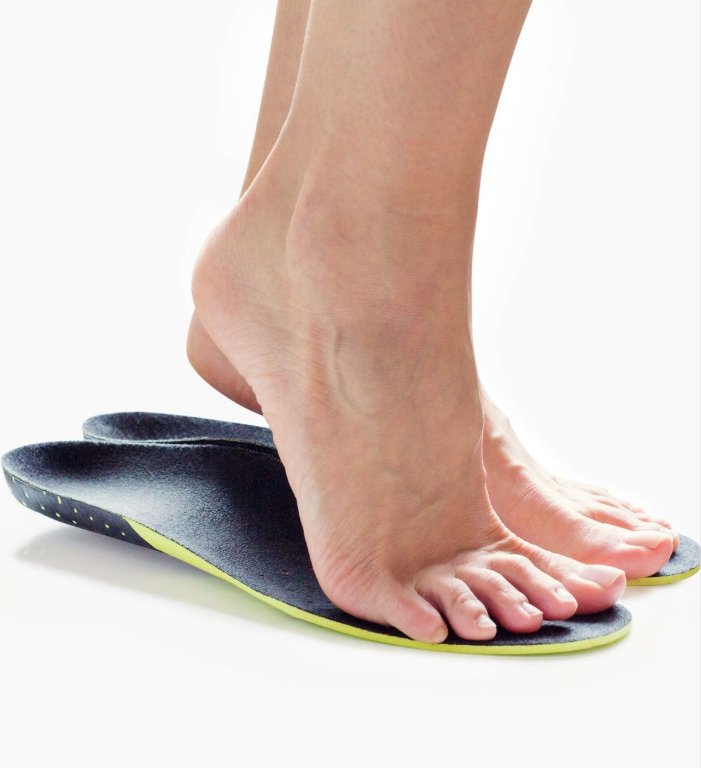
Orthopedic or diabetic shoes with cushioned soles, seamless interiors, and wide toe boxes reduce pressure and prevent injuries.
Final Takeaway
Your feet are often the first to show signs of diabetic complications. With the right awareness, daily care, and proper footwear, you can prevent serious complications and maintain mobility and independence.