Best Footwear Solutions for Diabetic Burning Feet | Neuropathy Relief Shoes
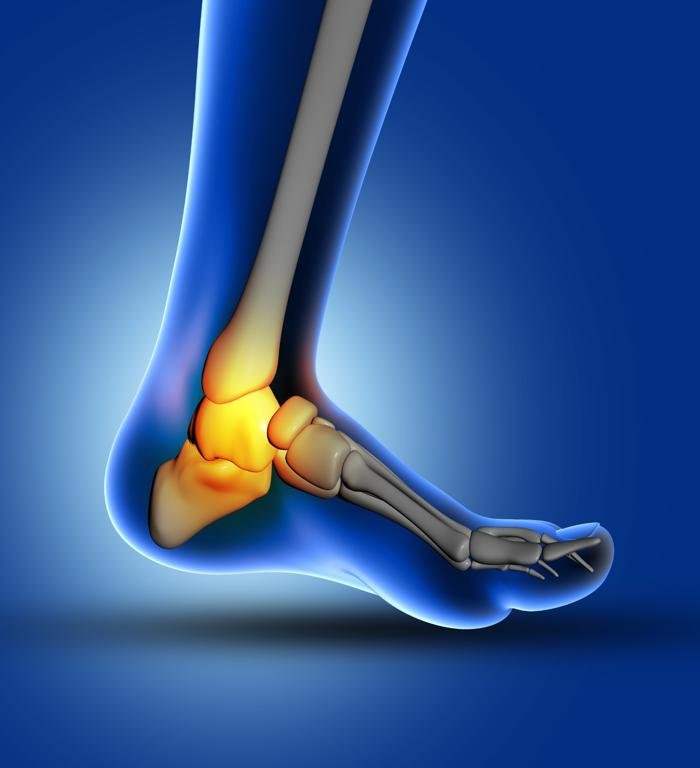
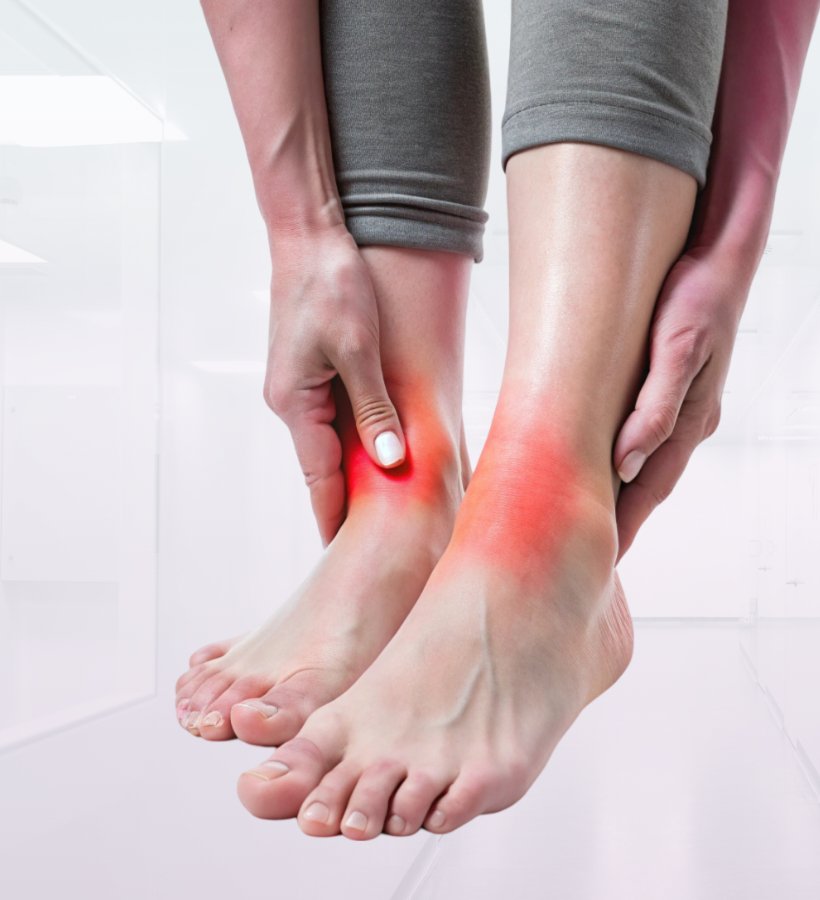
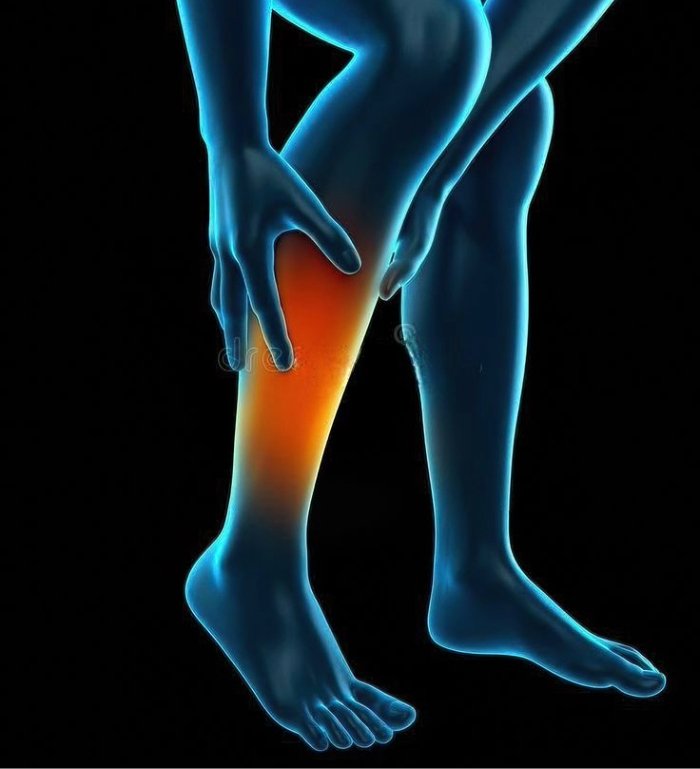
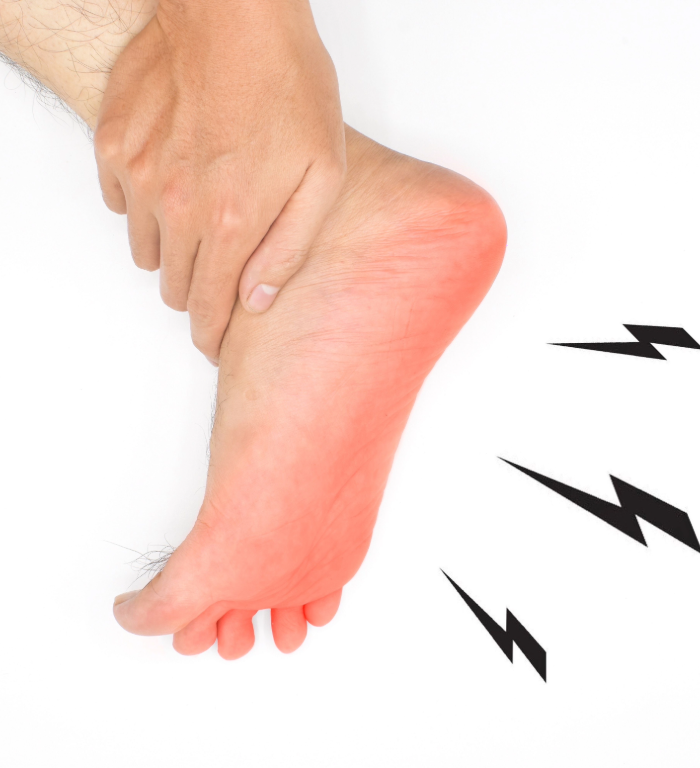
Burning feet is one of the most common complaints among diabetic adults. This burning sensation often appears in the evening or after long walking hours and is mainly caused by diabetic neuropathy, a condition where high sugar levels damage nerve endings.
When nerves weaken, the foot becomes more sensitive to:
-
Heat
-
Touch
-
Walking pressure
-
Tight footwear
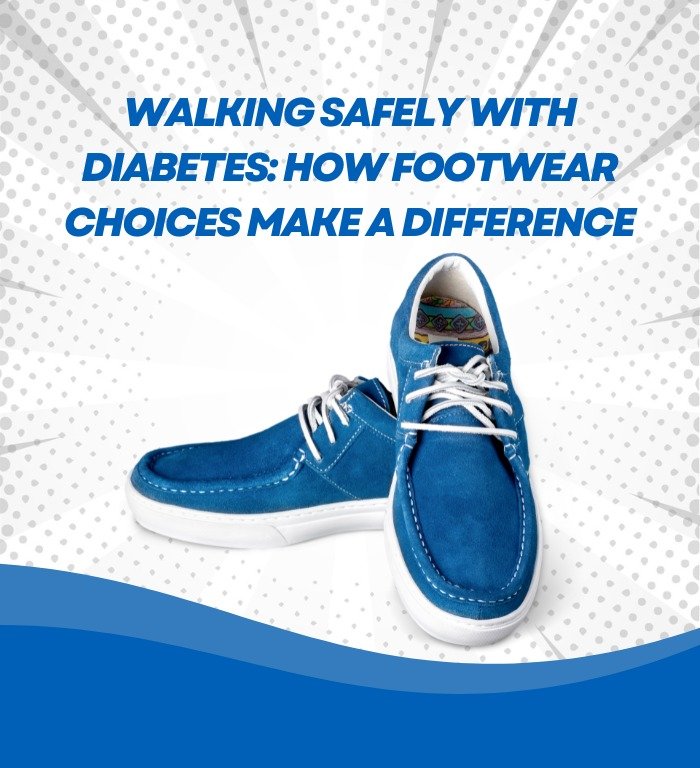
Because of this, standard shoes are not enough. Diabetic feet need medically designed footwear that protects nerves instead of compressing them.
Why Burning Feet Happens in Diabetes
Diabetes affects nerves and blood flow over time. When blood circulation reduces, nerve cells become inflamed, causing a burning or tingling sensation. Some patients also describe it as:
-
Pins and needles
-
Sudden heat surge
-
Warm burning soles at night
-
Redness and swelling after long use
The right footwear reduces nerve compression, improves foot posture, and evenly distributes body weight so the feet do not overheat under pressure.
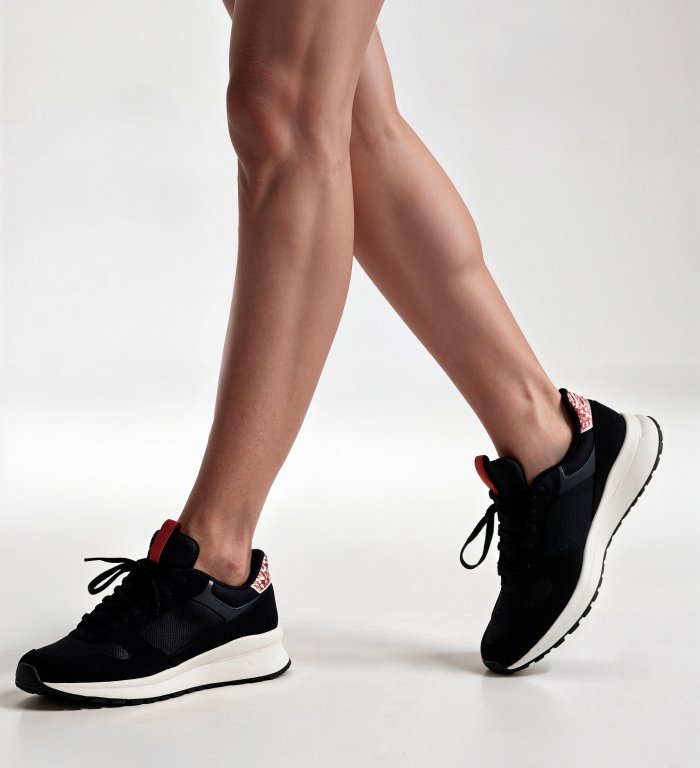
Footwear Features That Help with Burning Feet
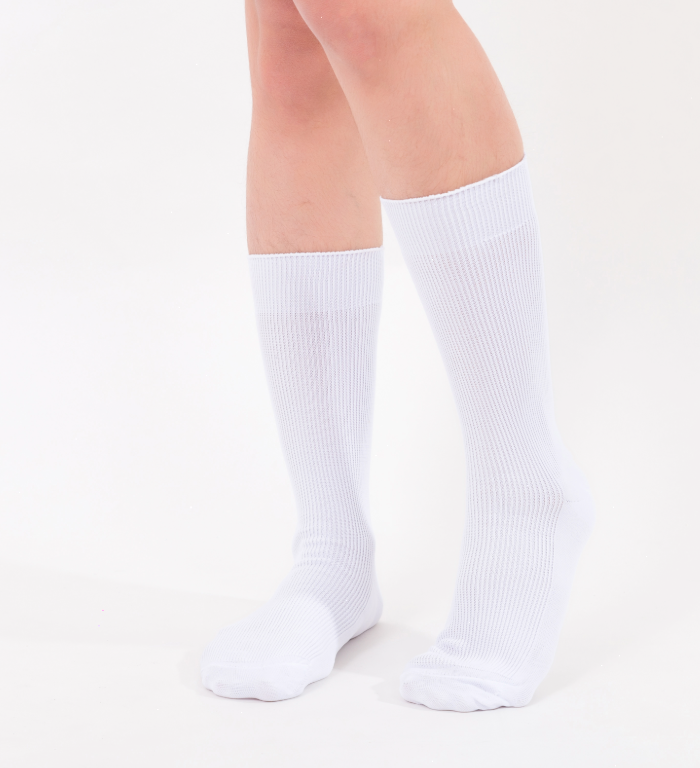
1. Breathable, Heat-Resistant Material
Burning feet worsen with sweaty and heat-trapping shoes. Choose footwear with a breathable, airy fabric that keeps feet cool, reduces sweat, and prevents fungal infections.
2. Pressure-Free Fit
Tight shoes restrict blood flow and increase burning sensations. Diabetic shoes must provide enough space for toes and mid-foot, especially when swelling occurs.
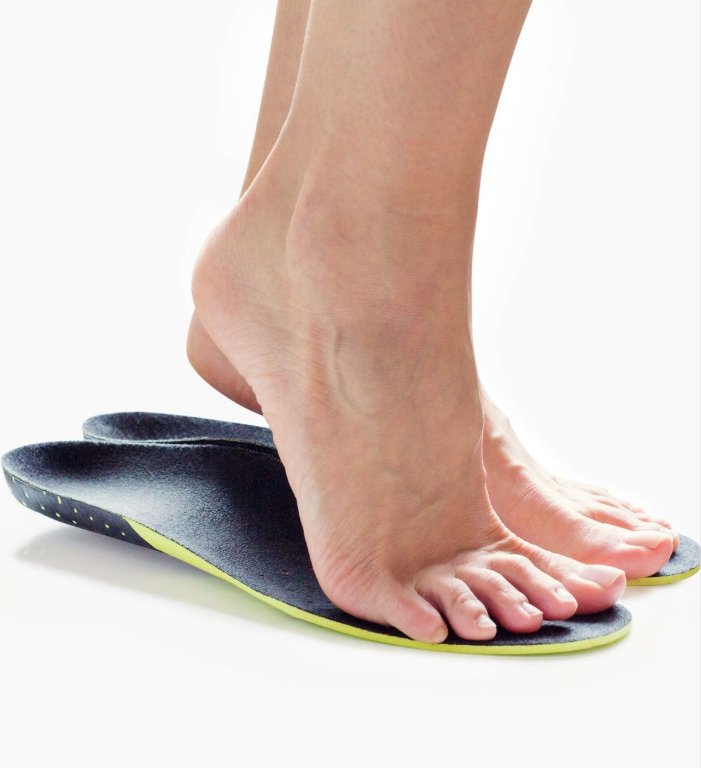
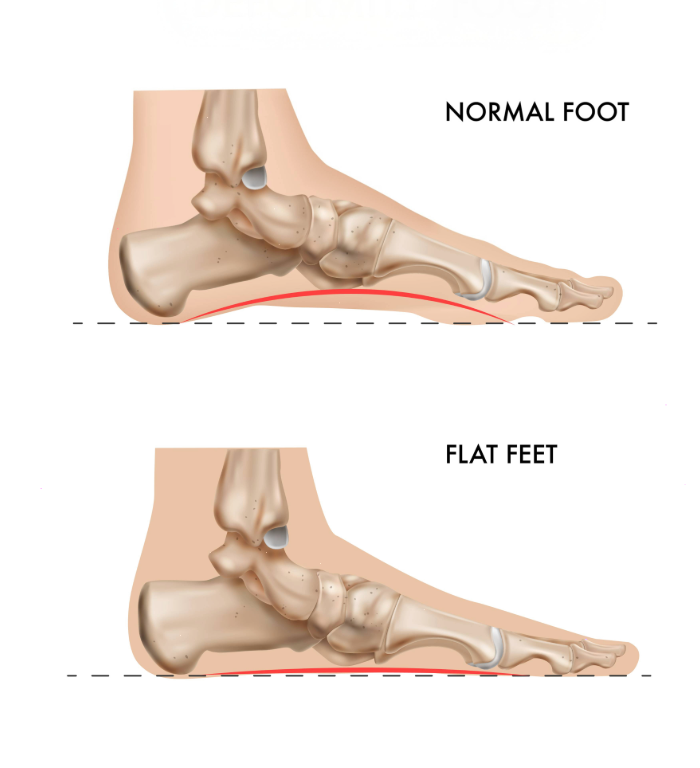
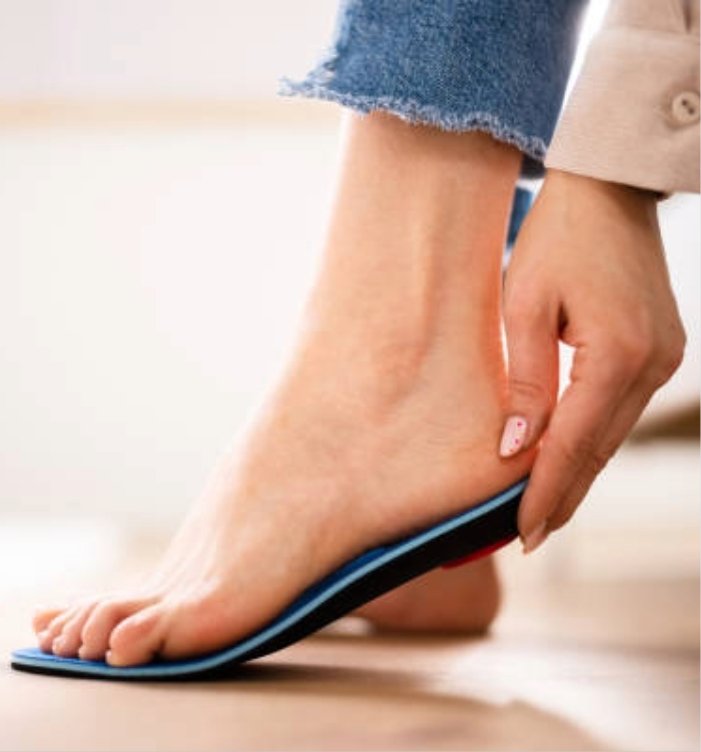
3. Padded Heel and Arch Support
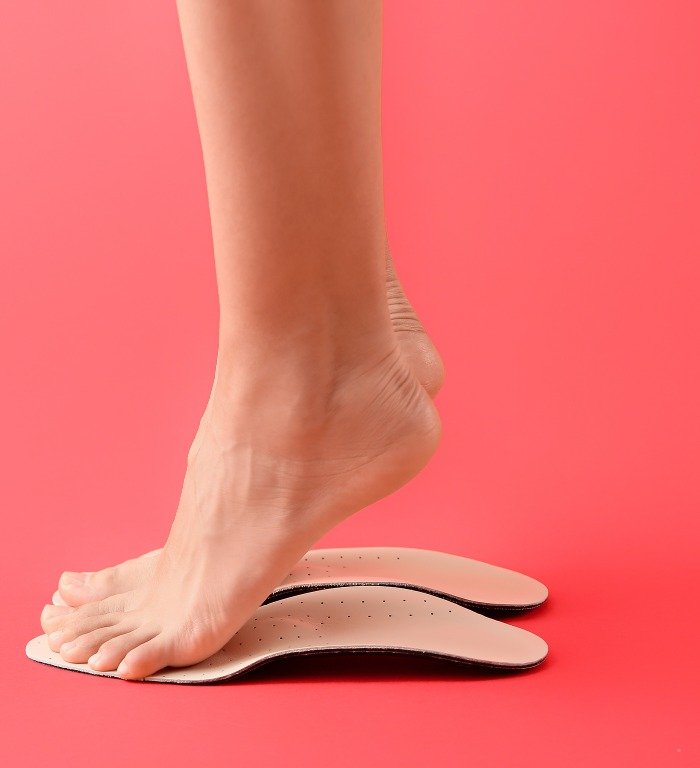
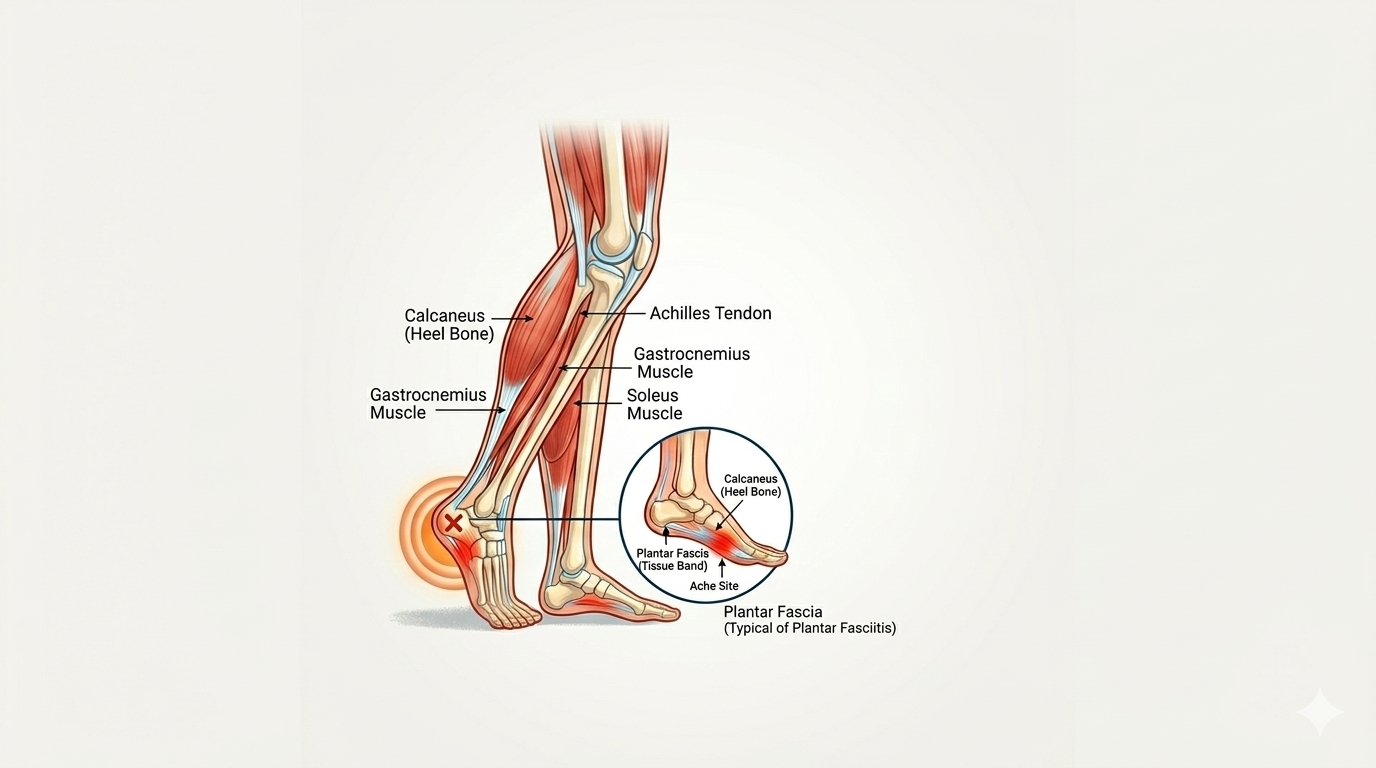
Burning feet often include arch weakness and heel nerve pain. A supportive arch reduces stress on the heel and nerve line, helping reduce fire-like sensations after walking.
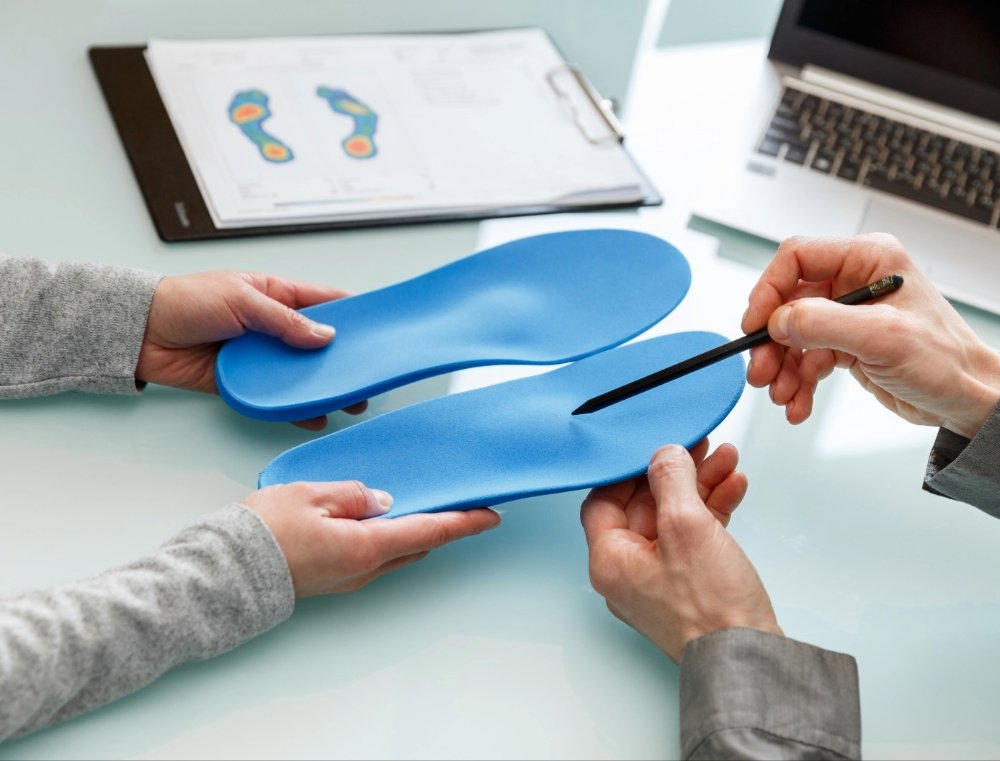
4. Cushioned Orthopedic Sole
Unlike memory foam, orthopedic soles do not sink under pressure. They offer cushioning while maintaining structure, preventing nerve irritation.
5. Seamless Inner Lining
Even small seams can cause friction, leading to redness and increased burning. Diabetic footwear must have smooth interiors to avoid rubbing on sensitive skin.
What Footwear Type to Avoid if You Have Burning Feet
Burning feet need support, not softness that collapses. Avoid:
-
Tight closed shoes with zero airflow
-
Synthetic material footwear
-
Low-cost hard rubber soles
-
Flat sandals without cushion
-
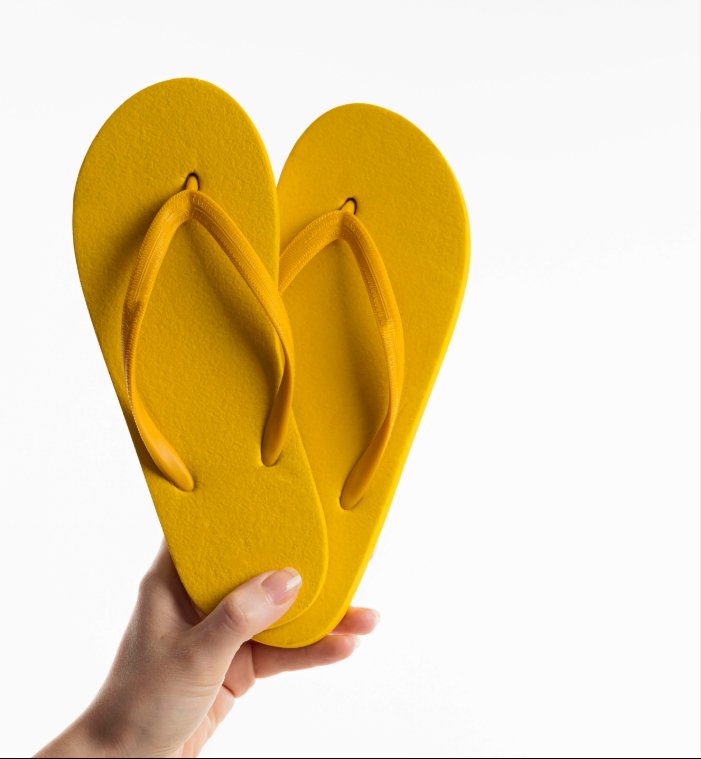
Flip-flops without heel support
These worsen heat circulation, friction, and nerve irritation.
Cooling Relief Tips Along with Footwear
A pair of good shoes will help, but relief increases when combined with daily care:
-
Soak feet in mildly cold (not ice) water for 10 minutes
-
Use anti-fungal, cooling foot powders
-
Avoid walking barefoot on tiles or hot surfaces
-
Keep blood sugar controlled
-
Elevate feet at night to improve circulation
When to Consult a Podiatrist
Seek medical advice if burning:
-
Continues for more than 3 months
-
Disturbs sleep regularly
-
Includes numbness or color changes in skin
-
Comes with recurring skin cracks or wounds
Diabetic nerve pain requires continuous foot monitoring because small injuries can go unnoticed and lead to infection.
FAQ Section
1. Why do diabetics feel burning feet more at night?
Blood circulation slows down and nerve signals become more active in resting state, making the heat sensation stronger.
2. Are orthopedic shoes good for burning feet?
Yes. They reduce pressure, allow airflow, and support nerves without sinking or compressing them.
3. Should diabetics avoid closed shoes?
Not always, but shoes must be breathable, cushioned, and pressure-free, especially if burning is frequent.
4. Can burning feet be cured permanently?
Neuropathy cannot be fully reversed, but footwear + sugar control + care routines can significantly reduce symptoms.
5. Are memory foam shoes safe for burning feet?
They provide comfort but trap heat. For long walking, orthopedic soles are safer.